
Insulin is a hormone produced by beta cells in the pancreas that regulates glucose metabolism in the human body. Following food consumption, particularly foods containing carbohydrates, blood glucose concentrations increase. The pancreas responds by secreting insulin, which enables cellular glucose uptake and utilization for energy production.
Insufficient insulin production or cellular insulin resistance results in hyperglycemia and can lead to the development of diabetes mellitus. Insulin functions as a critical component of metabolic regulation beyond glucose control. It influences protein synthesis, lipid metabolism, and cellular growth processes.
For individuals diagnosed with diabetes or prediabetes, understanding insulin’s physiological mechanisms is fundamental to effective disease management. Knowledge of insulin types, administration methods, and timing can inform treatment decisions and optimize glycemic control outcomes.
Key Takeaways
- Insulin is a hormone essential for regulating blood sugar levels.
- There are various types of insulin categorized by how quickly and how long they act.
- Rapid-acting insulin works quickly to manage blood sugar spikes after meals.
- Long-acting insulin provides a steady level of insulin throughout the day.
- Selecting the right insulin depends on individual health needs and lifestyle factors.
Types of Insulin
There are several types of insulin, each designed to meet specific needs and preferences. The primary classifications include rapid-acting, short-acting, intermediate-acting, and long-acting insulins. Each type varies in its onset, peak action time, and duration, allowing you to tailor your insulin regimen to your lifestyle and blood sugar management goals.
Understanding these differences is crucial for effective diabetes management. When considering the types of insulin, it’s important to recognize that they can be used alone or in combination with one another. For instance, some individuals may require a mix of both rapid-acting and long-acting insulins to maintain stable blood sugar levels throughout the day and night.
Your healthcare provider can help you determine the best combination based on your unique circumstances, including your activity level, dietary habits, and overall health.
Rapid-Acting Insulin
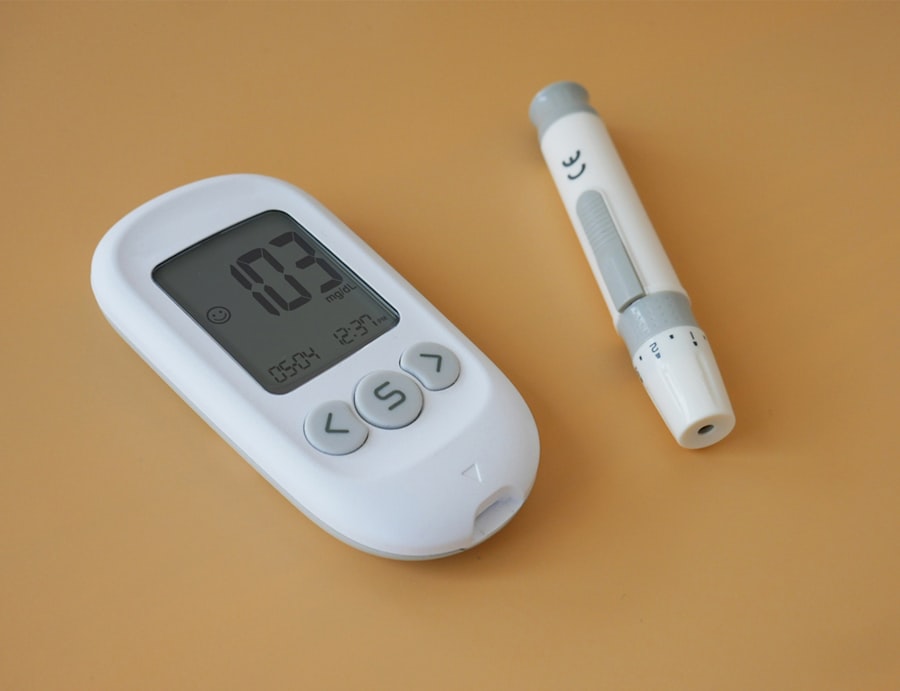
Rapid-acting insulin is designed to work quickly, typically starting to lower blood sugar levels within 15 minutes after injection. This type of insulin is particularly beneficial for managing post-meal blood sugar spikes. If you find yourself needing to control your glucose levels after eating, rapid-acting insulin can be an effective tool in your diabetes management arsenal.
Common brands of rapid-acting insulin include Lispro (Humalog), Aspart (Novolog), and Glulisine (Apidra). These insulins are often used in conjunction with meals to counteract the immediate rise in blood sugar that occurs after eating. You may find that using rapid-acting insulin allows for greater flexibility in your meal planning, as you can administer it shortly before or even after meals, depending on your specific needs and your healthcare provider’s recommendations.
Short-Acting Insulin
Short-acting insulin has a slightly longer onset time compared to rapid-acting insulin but still plays a critical role in managing blood sugar levels. Typically, it begins to work within 30 minutes to an hour after injection and can last for several hours. This type of insulin is often used for meal coverage as well as for correcting high blood sugar levels.
Regular insulin is the most common form of short-acting insulin. It can be particularly useful if you have a more predictable eating schedule or if you prefer a longer duration of action compared to rapid-acting options. However, it’s essential to time your injections carefully with meals to avoid potential hypoglycemia, especially since its peak action occurs around two to three hours after administration.
Intermediate-Acting Insulin
| Insulin Type | Onset (Time to Start Working) | Peak Time | Duration | Common Use | Example Brands |
|---|---|---|---|---|---|
| Rapid-Acting | 10-30 minutes | 30 minutes to 3 hours | 3 to 5 hours | Control blood sugar during meals | Lispro, Aspart, Glulisine |
| Short-Acting (Regular) | 30 minutes to 1 hour | 2 to 5 hours | 5 to 8 hours | Control blood sugar during meals | Regular insulin |
| Intermediate-Acting | 1.5 to 4 hours | 4 to 12 hours | 12 to 18 hours | Basal insulin to control blood sugar between meals | NPH (Neutral Protamine Hagedorn) |
| Long-Acting | 0.8 to 4 hours | Minimal or no peak | 24 hours or more | Basal insulin for steady blood sugar control | Glargine, Detemir, Degludec |
| Pre-Mixed | Varies (combination of rapid/short and intermediate) | Varies | Varies | Convenience for meal and basal coverage | 70/30, 75/25 mixtures |
Intermediate-acting insulin serves as a bridge between short-acting and long-acting insulins. It typically takes about two to four hours to start working and can last anywhere from 10 to 16 hours. This type of insulin is often used to provide basal coverage throughout the day and night, helping to maintain stable blood sugar levels during periods when you are not eating.
NPH (Neutral Protamine Hagedorn) is the most common form of intermediate-acting insulin. It is often combined with short-acting or rapid-acting insulins to create a comprehensive diabetes management plan. If you find that you experience fluctuations in your blood sugar levels between meals or overnight, incorporating intermediate-acting insulin may help stabilize those levels and reduce the risk of hypoglycemia.
Long-Acting Insulin
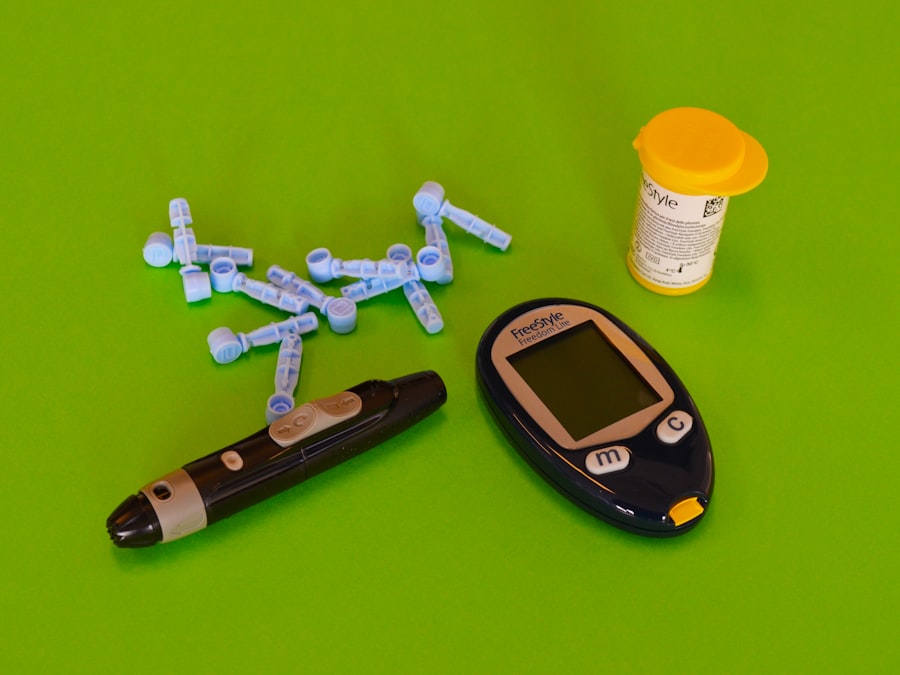
Long-acting insulin is designed for extended coverage, providing a steady release of insulin over an extended period—typically up to 24 hours or more. This type of insulin is ideal for maintaining baseline insulin levels throughout the day and night, ensuring that your body has a constant supply of insulin available for glucose metabolism. Common brands of long-acting insulin include Glargine (Lantus) and Detemir (Levemir).
These insulins do not have a pronounced peak action time like other types; instead, they work gradually and consistently. If you struggle with maintaining stable blood sugar levels over extended periods or experience nighttime hypoglycemia, long-acting insulin may be an excellent option for you.
How Insulin Works in the Body
Insulin functions as a key regulator of glucose metabolism in your body. When you eat, carbohydrates are broken down into glucose, which enters your bloodstream. In response, the pancreas releases insulin into the bloodstream.
Insulin then facilitates the uptake of glucose by cells throughout your body—particularly muscle and fat cells—allowing them to use glucose for energy or store it for later use. In addition to its role in glucose metabolism, insulin also helps regulate fat storage and protein synthesis. It promotes the storage of excess glucose as glycogen in the liver and muscle tissues while inhibiting the breakdown of fat stores for energy.
This multifaceted role makes insulin essential not only for managing blood sugar levels but also for overall metabolic health.
Choosing the Right Insulin for You
Selecting the right type of insulin is a personalized process that should involve careful consideration and consultation with your healthcare provider. Factors such as your lifestyle, eating habits, activity level, and individual health needs will all play a role in determining which type or combination of insulins is best suited for you. It’s essential to monitor your blood sugar levels regularly and communicate openly with your healthcare team about any challenges you face in managing your diabetes.
They can help you adjust your insulin regimen as needed based on your experiences and any changes in your lifestyle or health status. Remember that finding the right balance may take time and experimentation, but with persistence and support, you can achieve effective diabetes management tailored specifically to you.