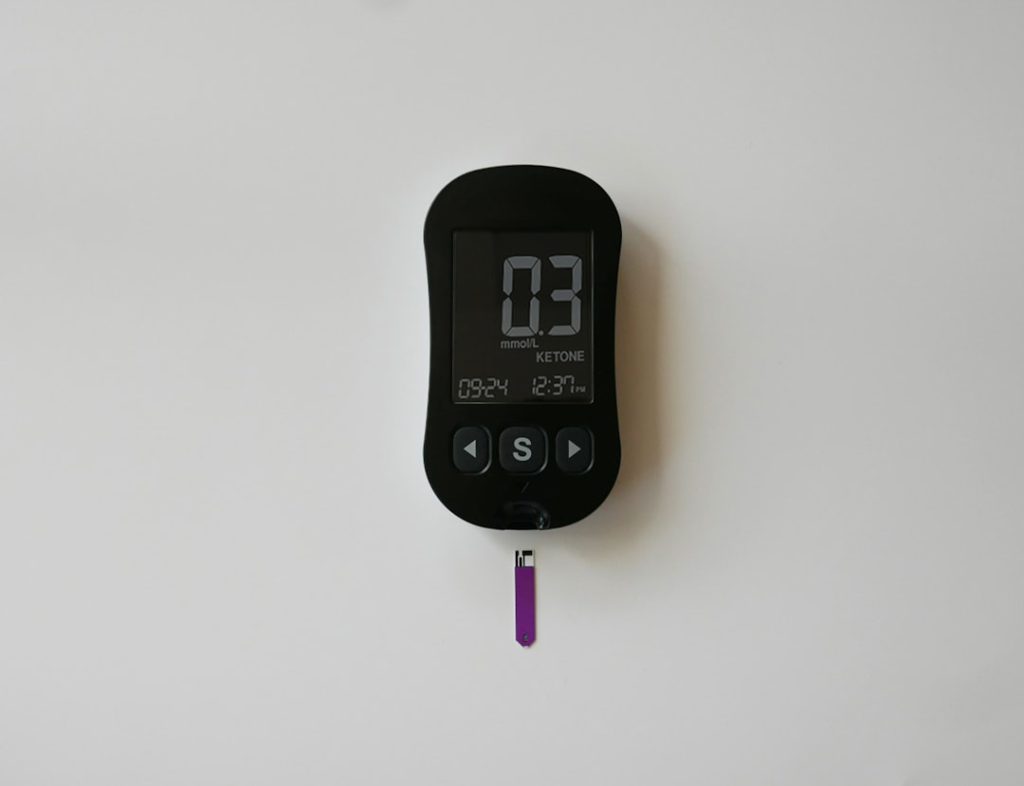
Hypoglycemia, often referred to as low blood sugar, is a condition characterized by an abnormally low level of glucose in the bloodstream. Glucose is a vital source of energy for your body, particularly for your brain, which relies heavily on it to function optimally. When your blood sugar levels drop below the normal range, you may experience a variety of symptoms that can affect your daily life.
Understanding hypoglycemia is crucial, especially if you have diabetes or other health conditions that can influence your blood sugar levels. In a healthy individual, the body maintains blood sugar levels through a complex interplay of hormones, primarily insulin and glucagon. However, when this balance is disrupted, it can lead to hypoglycemia.
This condition can occur in various situations, such as after prolonged fasting, excessive physical activity, or as a side effect of certain medications. Recognizing the signs and symptoms of hypoglycemia is essential for timely intervention and management.
Key Takeaways
- Hypoglycemia is a condition characterized by abnormally low blood sugar levels.
- Common causes include diabetes medications, excessive alcohol, and certain illnesses, with symptoms like shakiness and confusion.
- Diagnosis involves blood tests to measure glucose levels during symptoms.
- Treatment focuses on dietary adjustments, lifestyle changes, and sometimes medications to maintain stable blood sugar.
- Severe hypoglycemia requires immediate emergency treatment, and long-term management includes prevention strategies to avoid future episodes.
Causes and Symptoms of Hypoglycemia
There are several causes of hypoglycemia, and understanding them can help you identify potential risks in your own life. One common cause is the use of insulin or other diabetes medications that increase insulin levels in the body. If you take too much medication or do not eat enough carbohydrates after taking it, your blood sugar can drop significantly.
Additionally, skipping meals or delaying eating can also lead to low blood sugar levels, especially if you are on a strict diet or have an irregular eating schedule. Symptoms of hypoglycemia can vary from person to person but often include feelings of shakiness, dizziness, sweating, irritability, and confusion. You might also experience increased heart rate and hunger pangs.
In more severe cases, hypoglycemia can lead to loss of consciousness or seizures. It’s important to pay attention to these signs and respond quickly, as prolonged low blood sugar can have serious consequences for your health.
Diagnosing Hypoglycemia
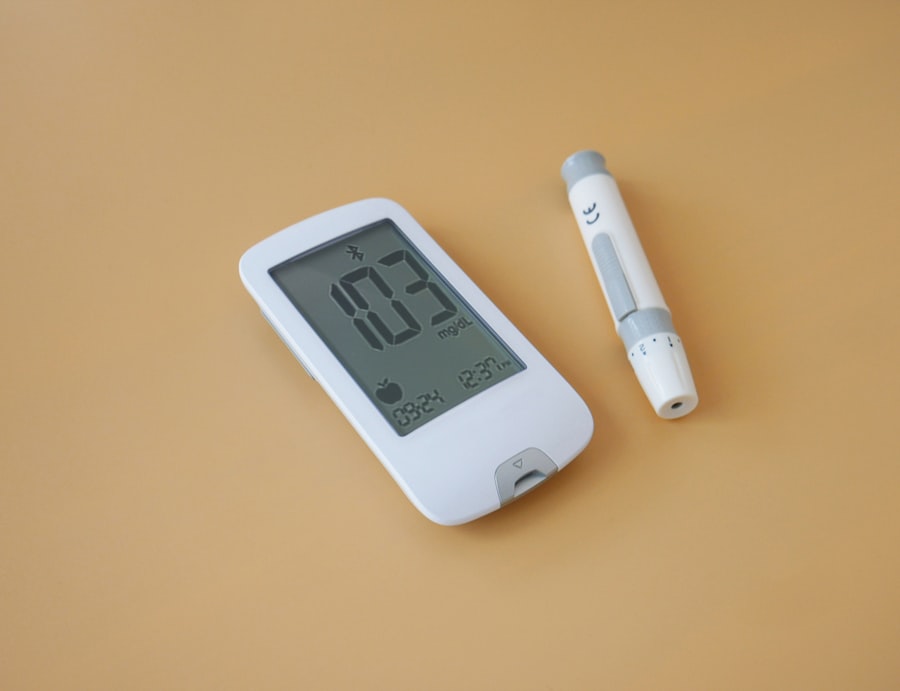
Diagnosing hypoglycemia typically involves a combination of assessing your symptoms and conducting blood tests to measure your glucose levels. If you suspect that you are experiencing low blood sugar episodes, it’s essential to consult with a healthcare professional who can guide you through the diagnostic process. They may ask you about your medical history, dietary habits, and any medications you are taking to determine potential causes.
In some cases, your doctor may recommend a glucose tolerance test or continuous glucose monitoring to observe how your body responds to food intake and physical activity over time. This information can help pinpoint the underlying issues contributing to your hypoglycemic episodes. Accurate diagnosis is crucial for developing an effective treatment plan tailored to your specific needs.
Treating Hypoglycemia with Diet and Lifestyle Changes
Managing hypoglycemia often begins with dietary adjustments and lifestyle changes that promote stable blood sugar levels. One effective strategy is to consume small, frequent meals throughout the day rather than relying on three large meals. This approach helps maintain consistent energy levels and prevents drastic fluctuations in blood sugar.
Incorporating complex carbohydrates, such as whole grains and legumes, along with protein and healthy fats into your meals can also provide sustained energy. In addition to dietary changes, regular physical activity plays a significant role in managing blood sugar levels. Engaging in moderate exercise can improve insulin sensitivity and help regulate glucose metabolism.
However, it’s essential to monitor your blood sugar before and after exercise to ensure that it remains within a safe range. By combining these dietary and lifestyle modifications, you can create a balanced approach to managing hypoglycemia effectively.
Medications for Hypoglycemia
| Aspect | Description | Common Symptoms | Treatment | Prevention Tips |
|---|---|---|---|---|
| Definition | Condition where blood glucose levels fall below normal (<70 mg/dL) | Shakiness, sweating, confusion, irritability | Consume fast-acting carbohydrates (e.g., glucose tablets, juice) | Regular meals, monitor blood sugar, avoid excessive insulin |
| Causes | Excess insulin, missed meals, excessive exercise, alcohol consumption | Hunger, dizziness, weakness, headache | Immediate intake of 15-20 grams of carbs, recheck glucose in 15 minutes | Balance medication with food intake and activity |
| Severe Hypoglycemia | Blood sugar <54 mg/dL, may cause seizures or unconsciousness | Seizures, loss of consciousness, inability to eat or drink | Administer glucagon injection, call emergency services | Wear medical ID, inform family/friends about condition |
| Monitoring | Regular blood glucose testing to detect low levels early | N/A | Adjust treatment based on readings | Keep glucose monitoring devices accessible |
While dietary and lifestyle changes are often the first line of defense against hypoglycemia, there are instances where medications may be necessary. If you have diabetes and experience frequent episodes of low blood sugar despite making lifestyle adjustments, your healthcare provider may consider adjusting your diabetes medications or insulin regimen. This could involve changing the type of medication you take or altering the dosage to better suit your needs.
In some cases, glucagon injections may be prescribed for individuals at risk of severe hypoglycemia. Glucagon is a hormone that raises blood sugar levels by prompting the liver to release stored glucose into the bloodstream. It’s essential to have a glucagon kit available if you are at risk for severe hypoglycemic episodes, as it can be life-saving in emergencies.
Emergency Treatment for Severe Hypoglycemia
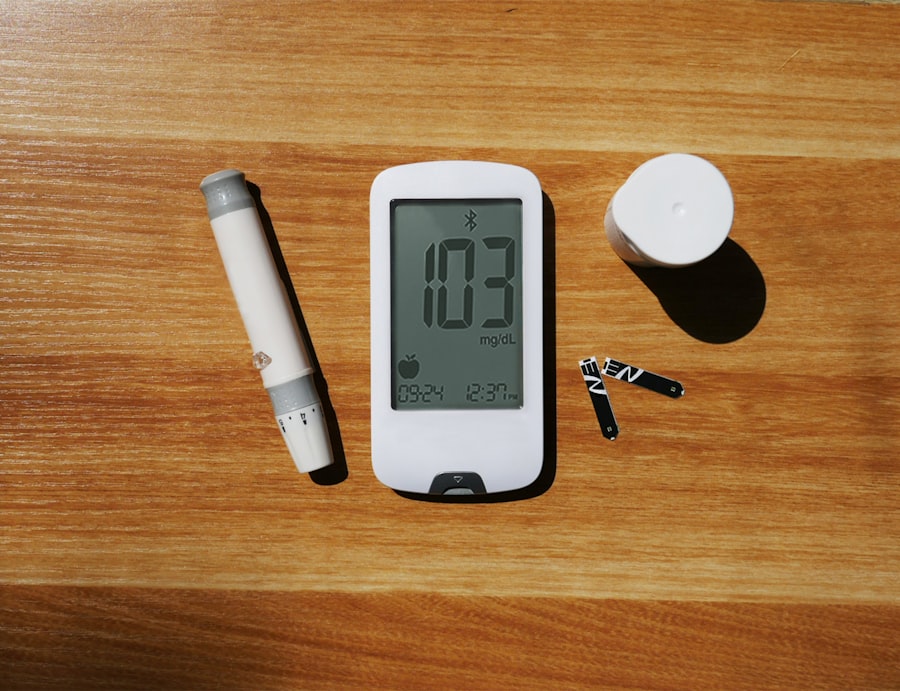
Severe hypoglycemia is a medical emergency that requires immediate attention. If you or someone you know experiences symptoms such as confusion, seizures, or loss of consciousness due to low blood sugar, it’s crucial to act quickly. If the person is conscious and able to swallow, providing them with fast-acting carbohydrates—such as glucose tablets, fruit juice, or regular soda—can help raise their blood sugar levels rapidly.
If the individual is unconscious or unable to swallow safely, calling emergency services is vital. In such cases, glucagon injections may be administered by bystanders or emergency personnel if available. It’s important to remain calm during these situations and ensure that help is on the way while monitoring the person’s condition until professional assistance arrives.
Managing Hypoglycemia in the Long Term
Long-term management of hypoglycemia involves ongoing monitoring and adjustments to your lifestyle and treatment plan as needed. Regular check-ups with your healthcare provider are essential for assessing your progress and making any necessary changes to your medication or dietary habits. Keeping a log of your blood sugar levels can also provide valuable insights into patterns and triggers that may contribute to hypoglycemic episodes.
Education plays a crucial role in long-term management as well. Understanding how different foods affect your blood sugar levels and recognizing early symptoms of hypoglycemia can empower you to take proactive measures before the situation escalates. Additionally, involving family members or close friends in your management plan can create a support system that ensures you receive help when needed.
Preventing Hypoglycemia
Preventing hypoglycemia requires a proactive approach that combines awareness of potential triggers with practical strategies for maintaining stable blood sugar levels. One effective method is to establish a consistent eating schedule that includes balanced meals and snacks throughout the day. This routine helps prevent drastic drops in blood sugar while ensuring that you receive adequate nutrition.
Monitoring your blood sugar regularly is another key component of prevention. By keeping track of your levels before and after meals or physical activity, you can identify patterns that may indicate when you are at risk for low blood sugar. Additionally, being mindful of alcohol consumption and its effects on blood sugar can help you avoid unexpected drops in glucose levels.
In conclusion, understanding hypoglycemia is essential for anyone at risk of experiencing low blood sugar episodes. By recognizing the causes and symptoms, seeking proper diagnosis and treatment, and implementing effective management strategies, you can take control of your health and minimize the impact of hypoglycemia on your daily life. With careful planning and awareness, you can lead a fulfilling life while effectively managing this condition.