
When you think about diabetes and heart disease, it’s essential to recognize that these two conditions are intricately linked. Diabetes, particularly type 2, can significantly increase your risk of developing heart disease. This connection stems from the way high blood sugar levels can damage blood vessels and nerves that control your heart.
As you navigate through life, understanding this relationship can empower you to take proactive steps toward better health. The underlying mechanisms that connect diabetes and heart disease are complex but crucial to grasp. Elevated glucose levels can lead to inflammation and oxidative stress, which in turn can cause atherosclerosis—the hardening of arteries.
This condition narrows the pathways through which blood flows, increasing the likelihood of heart attacks and strokes. By understanding this connection, you can appreciate the importance of managing your blood sugar levels not just for your diabetes but also for your overall cardiovascular health.
Key Takeaways
- Diabetes significantly increases the risk of developing heart disease due to shared risk factors and complications.
- Managing blood sugar levels and adopting healthy lifestyle changes are crucial to reducing heart disease risk in diabetic patients.
- Regular monitoring and medical check-ups help detect and manage complications early, improving outcomes.
- Medications and treatments can effectively control both diabetes and heart disease when used appropriately.
- Support systems and resources play a vital role in helping individuals manage their conditions and maintain heart health.
Risk Factors for Diabetes and Heart Disease
As you delve deeper into the risk factors associated with both diabetes and heart disease, it becomes clear that many of them overlap. Obesity is a significant contributor to both conditions. Carrying excess weight, especially around your abdomen, can lead to insulin resistance, which is a precursor to type 2 diabetes.
Furthermore, obesity places additional strain on your heart, increasing the likelihood of cardiovascular issues. Other risk factors include a sedentary lifestyle, poor dietary choices, and genetic predispositions. If you find yourself leading a predominantly inactive lifestyle, it’s crucial to recognize how this can elevate your risk for both diabetes and heart disease.
Additionally, diets high in saturated fats, sugars, and processed foods can exacerbate these risks. Understanding these factors allows you to make informed decisions about your lifestyle and health.
Impact of Diabetes on the Heart
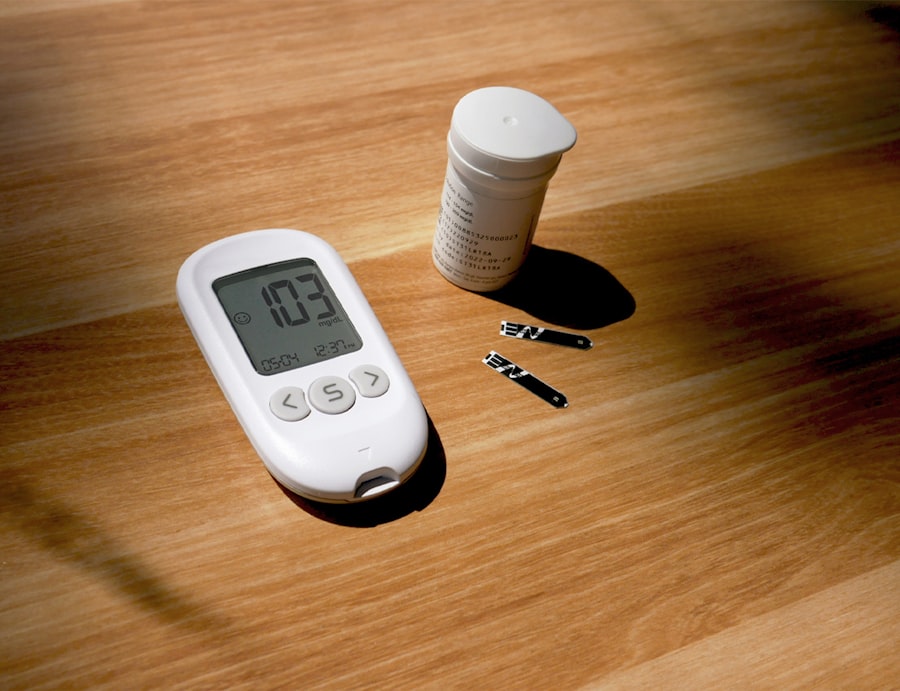
The impact of diabetes on your heart is profound and multifaceted. When you have diabetes, your body struggles to regulate blood sugar levels effectively, which can lead to various complications over time. One of the most significant concerns is the increased risk of coronary artery disease.
This condition occurs when the arteries supplying blood to your heart become narrowed or blocked, often leading to chest pain or even heart attacks. Moreover, diabetes can lead to other cardiovascular complications such as heart failure and arrhythmias. High blood sugar levels can damage the nerves that control your heart, leading to irregular heartbeats and other issues.
The cumulative effect of these complications can significantly diminish your quality of life and increase mortality risk. Recognizing these potential impacts is vital for anyone living with diabetes, as it underscores the importance of diligent management and monitoring.
Managing Diabetes to Reduce Heart Disease Risk
Effective management of diabetes is crucial in reducing your risk of heart disease. This involves a comprehensive approach that includes monitoring your blood sugar levels regularly, adhering to prescribed medications, and making necessary lifestyle adjustments. By keeping your blood sugar within target ranges, you can mitigate the damage that high glucose levels can inflict on your cardiovascular system.
In addition to monitoring and medication, working closely with healthcare professionals can provide you with tailored strategies for managing your diabetes. This may include personalized meal plans that focus on whole foods and balanced nutrition, as well as exercise regimens designed to improve insulin sensitivity. By taking an active role in your health management, you can significantly lower your risk of developing heart-related complications.
Lifestyle Changes for Prevention
| Metric | Value | Notes |
|---|---|---|
| Percentage of adults with diabetes who have heart disease | 65% | Higher risk compared to non-diabetics |
| Increased risk of heart attack in diabetics | 2 to 4 times | Compared to people without diabetes |
| Leading cause of death in diabetics | Heart disease | Accounts for approximately 68% of deaths |
| Average LDL cholesterol level in diabetics | 100-129 mg/dL | Target levels may vary based on risk factors |
| Prevalence of hypertension in diabetics | About 70% | Contributes to increased heart disease risk |
| Effect of good blood sugar control on heart disease risk | Reduces risk by up to 50% | Maintaining HbA1c below 7% |
Making lifestyle changes is one of the most effective ways to prevent both diabetes and heart disease. You might start by incorporating regular physical activity into your routine. Aim for at least 150 minutes of moderate aerobic exercise each week, such as brisk walking or cycling.
Exercise not only helps control weight but also improves insulin sensitivity and lowers blood pressure—factors that are beneficial for both diabetes management and heart health. Dietary modifications are equally important in this journey toward prevention. Focus on consuming a balanced diet rich in fruits, vegetables, whole grains, lean proteins, and healthy fats.
Reducing your intake of processed foods, sugars, and saturated fats can have a profound impact on your overall health. Additionally, staying hydrated and limiting alcohol consumption can further support your efforts in maintaining a healthy lifestyle.
Medications and Treatments for Diabetes and Heart Disease

When lifestyle changes alone are insufficient in managing diabetes or reducing heart disease risk, medications may play a crucial role in your treatment plan. For diabetes management, various medications are available that help regulate blood sugar levels effectively. These may include metformin, sulfonylureas, or newer classes like GLP-1 receptor agonists and SGLT2 inhibitors, which have also shown cardiovascular benefits.
In cases where heart disease is already present or at high risk due to diabetes, healthcare providers may prescribe additional medications such as statins or antihypertensives. These medications help manage cholesterol levels and blood pressure, further reducing the risk of cardiovascular events. It’s essential to have open discussions with your healthcare team about the best treatment options tailored to your specific needs.
Importance of Regular Monitoring and Check-ups
Regular monitoring and check-ups are vital components of managing both diabetes and heart disease effectively. By scheduling routine appointments with your healthcare provider, you can ensure that any potential complications are identified early on. This proactive approach allows for timely interventions that can significantly improve outcomes.
During these check-ups, it’s important to monitor not only your blood sugar levels but also other cardiovascular risk factors such as cholesterol levels and blood pressure. Keeping track of these metrics will enable you to make informed decisions about your health management strategies. Additionally, regular screenings can help you stay motivated and accountable in your journey toward better health.
Support and Resources for Individuals with Diabetes and Heart Disease
Navigating life with diabetes and heart disease can be challenging, but you don’t have to do it alone. Numerous support groups and resources are available to help you manage these conditions effectively. Connecting with others who share similar experiences can provide emotional support and practical advice on coping strategies.
Online resources such as educational websites, forums, and mobile applications can also be invaluable tools in managing your health. These platforms often offer information on meal planning, exercise routines, medication management, and more. By utilizing these resources, you can empower yourself with knowledge and support as you work toward a healthier future.
In conclusion, understanding the connection between diabetes and heart disease is crucial for anyone affected by these conditions. By recognizing risk factors, managing diabetes effectively, making lifestyle changes, adhering to treatment plans, monitoring health regularly, and seeking support when needed, you can significantly reduce your risk of heart disease while improving your overall quality of life. Taking charge of your health is not just about managing conditions; it’s about embracing a proactive approach that fosters long-term well-being.