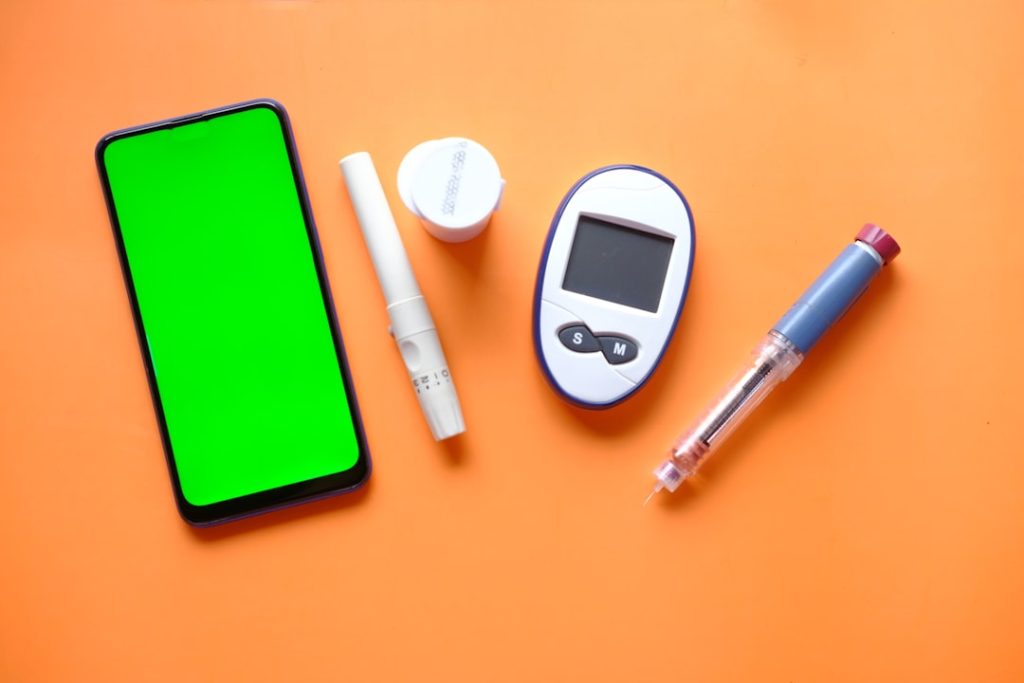
In recent years, the landscape of diabetes management has been transformed by the advent of wearable technology. These innovative devices enhance the ability to monitor diabetes and empower patients to take control of their health in ways previously unimaginable. Wearable tech encompasses a range of devices, from smartwatches to specialized glucose monitors, all designed to provide real-time data and insights into health metrics.
This technology is particularly significant for individuals living with diabetes, as it offers a more proactive approach to managing blood sugar levels and overall well-being. The integration of wearable technology into diabetes care represents a shift from traditional methods of monitoring and treatment. Rather than relying solely on periodic blood tests or manual insulin injections, patients can now access continuous data that informs daily decisions.
This shift enhances understanding of how various factors—such as diet, exercise, and stress—affect blood sugar levels and allows for more personalized treatment plans. As patients navigate the complexities of diabetes management, wearable tech serves as a valuable tool, providing the information needed to lead a healthier, more informed life.
Key Takeaways
- Wearable technology is revolutionizing diabetes management through continuous glucose monitoring and smart insulin delivery systems.
- Artificial pancreas systems offer automated insulin regulation, improving blood sugar control and reducing patient burden.
- Integration with mobile apps enhances data tracking, personalized insights, and seamless communication with healthcare providers.
- Exercise and activity trackers support lifestyle management by monitoring physical activity and its impact on glucose levels.
- Remote monitoring and telemedicine enable real-time care and support, paving the way for future innovations in diabetes treatment.
Advancements in Continuous Glucose Monitoring
Continuous glucose monitoring (CGM) systems have revolutionized the way you track your blood sugar levels. Unlike traditional methods that require finger pricks multiple times a day, CGMs use a small sensor inserted under your skin to provide real-time glucose readings. This technology allows you to see how your levels fluctuate throughout the day and night, giving you a comprehensive view of your glucose trends.
With this information at your fingertips, you can make more informed decisions about your diet, exercise, and insulin use. Recent advancements in CGM technology have made these devices even more user-friendly and accurate. Many modern CGMs are equipped with features such as alarms that alert you when your blood sugar levels are too high or too low, enabling you to take immediate action.
Additionally, some systems now offer integration with smartphones and smartwatches, allowing you to monitor your glucose levels discreetly and conveniently. This seamless connectivity not only enhances your ability to manage diabetes but also fosters a sense of independence and confidence in your daily life.
Smart Insulin Pens and Pumps
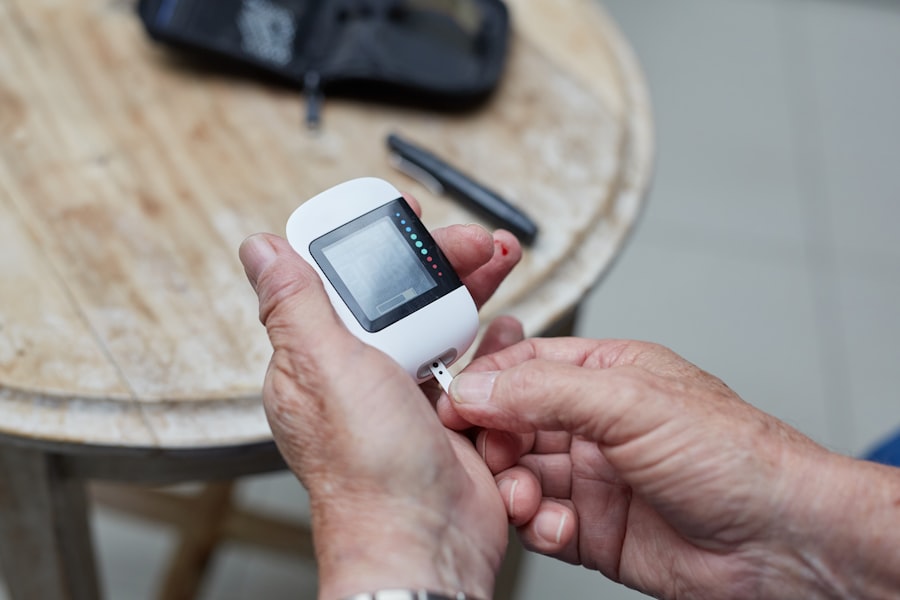
Smart insulin pens and pumps represent another significant leap forward in diabetes management technology. These devices are designed to simplify the process of insulin delivery while providing valuable data that can help you optimize your treatment plan. Smart insulin pens, for instance, can track your dosing history and send this information to a mobile app, allowing you to review your insulin usage over time.
This feature can be particularly beneficial for identifying patterns and making necessary adjustments to your regimen. Insulin pumps have also evolved dramatically in recent years. Modern pumps are equipped with advanced algorithms that can calculate the appropriate insulin dose based on your current blood sugar level and carbohydrate intake.
Some pumps even feature automated delivery systems that adjust insulin delivery in real-time, reducing the burden of manual calculations. By utilizing these smart devices, you can achieve better glycemic control while minimizing the risk of hypoglycemia or hyperglycemia. The convenience and precision offered by smart insulin pens and pumps can significantly enhance your quality of life as you manage diabetes.
Artificial Pancreas Systems
The development of artificial pancreas systems marks a groundbreaking advancement in diabetes care. These systems combine continuous glucose monitoring with automated insulin delivery to create a closed-loop system that mimics the function of a healthy pancreas. As someone living with diabetes, you may find this technology particularly appealing, as it reduces the need for constant monitoring and manual insulin adjustments.
Artificial pancreas systems work by continuously measuring your blood sugar levels and automatically delivering insulin when needed. This real-time feedback loop allows for more precise control over your glucose levels, minimizing the risk of both high and low blood sugar episodes. While these systems are still being refined and tested, they hold great promise for the future of diabetes management.
As technology continues to advance, you may soon have access to devices that not only simplify your daily routine but also improve your overall health outcomes.
Integration with Mobile Apps and Health Platforms
| Device Name | Type | Key Features | Glucose Monitoring Method | Battery Life | Connectivity | Expected Release |
|---|---|---|---|---|---|---|
| GlucoSense Pro | Smartwatch | Continuous glucose monitoring, insulin reminders, activity tracking | Non-invasive optical sensor | 7 days | Bluetooth, Wi-Fi | Q1 2025 |
| InsuBand X | Wearable Patch | Real-time glucose alerts, automatic insulin dose calculation | Microneedle sensor | 5 days | Bluetooth | Q2 2025 |
| DiaTrack Lens | Smart Contact Lens | Glucose level display, hydration monitoring | Tear fluid analysis | 24 hours | Near-field communication (NFC) | Q3 2025 |
| BetaBand | Wristband | Glucose tracking, stress monitoring, sleep analysis | Electrochemical sensor | 10 days | Bluetooth, Cellular | Q4 2025 |
| SmartPump 2.0 | Insulin Pump | Closed-loop insulin delivery, AI-based dose adjustment | Continuous glucose sensor integration | 3 days | Bluetooth, Wi-Fi | Q4 2025 |
The integration of wearable technology with mobile apps and health platforms has created a comprehensive ecosystem for diabetes management. As you navigate your daily life with diabetes, these apps can serve as invaluable tools for tracking your health data, setting goals, and connecting with healthcare professionals. Many apps allow you to log your food intake, exercise routines, and medication schedules, providing a holistic view of your health.
Moreover, the ability to share data with healthcare providers through these platforms enhances communication and collaboration in your care plan. Your doctor can access real-time data from your wearable devices, enabling them to make more informed decisions about your treatment. This level of connectivity fosters a sense of partnership in managing your diabetes, empowering you to take an active role in your health journey.
As technology continues to evolve, the potential for improved diabetes care through mobile integration is limitless.
Wearable Devices for Exercise and Activity Tracking
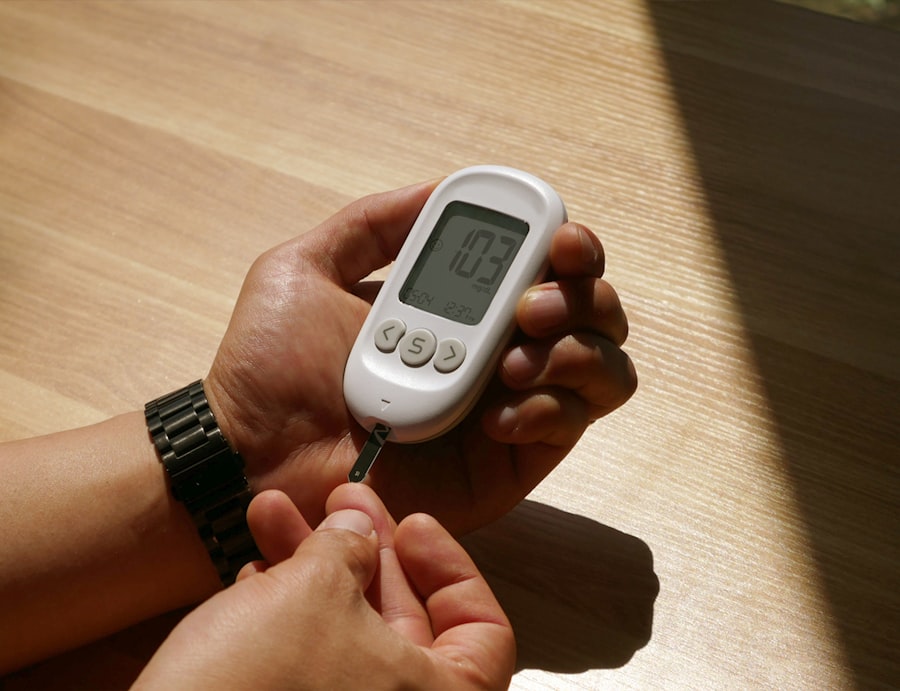
Physical activity plays a crucial role in managing diabetes, and wearable devices designed for exercise and activity tracking can help you stay motivated and accountable. These devices monitor various metrics such as heart rate, steps taken, calories burned, and even sleep quality. By keeping track of your physical activity levels, you can better understand how exercise impacts your blood sugar levels and overall health.
Many fitness trackers also offer personalized coaching features that can guide you through workouts tailored to your fitness level and goals. This level of customization can be particularly beneficial for individuals with diabetes, as it allows you to engage in safe and effective exercise routines. Additionally, some devices can sync with CGMs or insulin delivery systems to provide insights into how physical activity affects your glucose levels in real-time.
By incorporating wearable technology into your fitness regimen, you can enhance both your physical health and diabetes management.
Remote Monitoring and Telemedicine for Diabetes Management
The rise of remote monitoring and telemedicine has transformed the way you access healthcare services for diabetes management. With the help of wearable devices that continuously track your health metrics, healthcare providers can monitor your condition from afar. This capability is especially valuable for individuals who may have difficulty attending regular in-person appointments due to distance or mobility issues.
Telemedicine allows you to consult with healthcare professionals through video calls or messaging platforms, making it easier than ever to discuss your progress and address any concerns. This approach not only saves time but also ensures that you receive timely support when needed. As remote monitoring technology continues to advance, the potential for improved diabetes care through telemedicine is becoming increasingly evident.
You can expect more personalized care plans that adapt to your unique needs while maintaining a strong connection with your healthcare team.
Future Trends and Implications for Diabetes Care
As wearable technology continues to evolve, the future of diabetes care looks promising. Emerging trends suggest that we will see even greater integration between devices, apps, and healthcare systems, leading to more streamlined management processes. For instance, advancements in artificial intelligence may enable predictive analytics that can forecast blood sugar fluctuations based on various factors such as diet, activity level, and stress.
Moreover, as research progresses in areas like gene therapy and personalized medicine, there may be new treatment options on the horizon that could further enhance diabetes management. The potential for wearable technology to play a central role in these developments is immense; imagine a future where smart devices not only monitor but also actively participate in managing your condition. In conclusion, the advancements in wearable technology for diabetics are reshaping the way you approach diabetes management.
From continuous glucose monitoring systems to smart insulin delivery devices and telemedicine solutions, these innovations empower you to take control of your health like never before. As we look ahead, it is clear that the future holds even more exciting possibilities for improving diabetes care through technology. Embracing these advancements will not only enhance your quality of life but also pave the way for a healthier future.