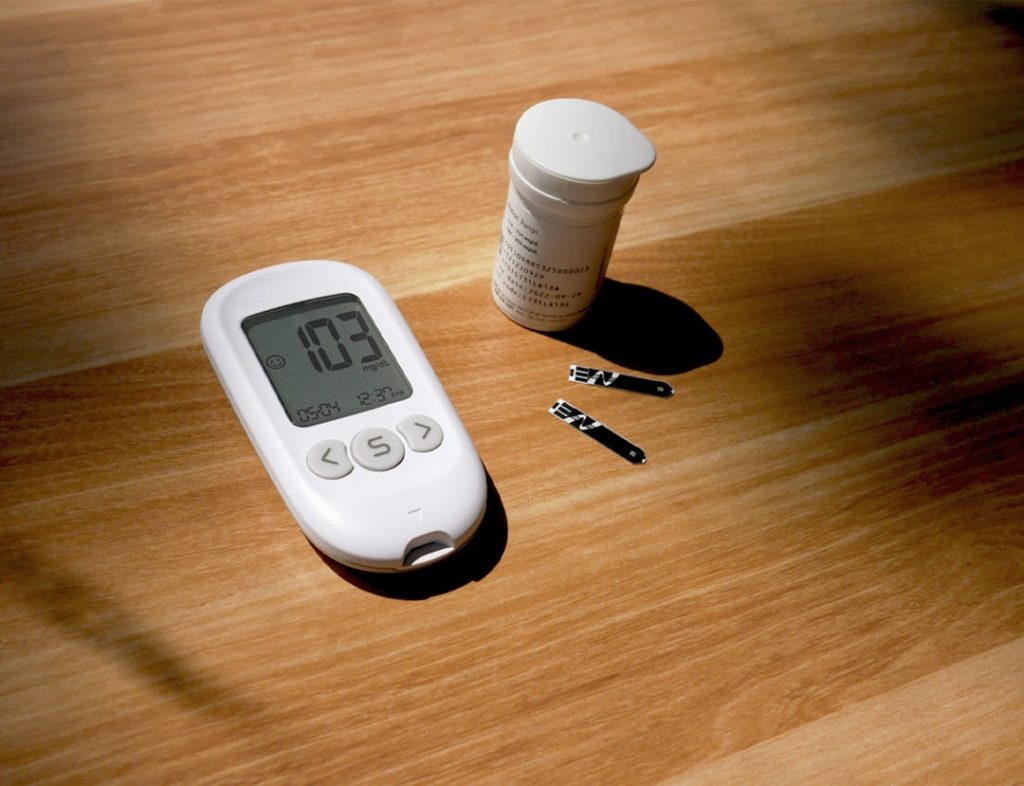
In recent years, wearable technology has significantly transformed diabetes management. These innovative devices, ranging from smartwatches to specialized glucose monitors, enable real-time tracking of health metrics. Diabetic patients can now monitor their condition more effectively, leading to improved health management and quality of life.
Wearable technology represents a fundamental shift in diabetes care approaches. Traditional methods of blood sugar monitoring and insulin administration are being supplemented by advanced devices that provide immediate access to critical health information. This accessibility allows patients to make more informed decisions about diet, exercise, and medication.
As diabetes management continues to evolve, wearable technology offers increased autonomy and potentially better health outcomes for patients.
Key Takeaways
- Wearable technology is revolutionizing diabetes management through continuous glucose monitoring and smart insulin delivery.
- Integration of AI and machine learning enhances personalized health tracking and predictive analytics for diabetics.
- Remote monitoring and telemedicine improve patient care by enabling real-time data sharing with healthcare providers.
- Innovations in user experience and design make wearable devices more comfortable and user-friendly for daily use.
- Future developments promise greater customization and improved outcomes, but also raise considerations around data privacy and accessibility.
Advancements in Continuous Glucose Monitoring
One of the most significant advancements in wearable technology for diabetics is the development of continuous glucose monitoring (CGM) systems. These devices provide real-time data on your blood glucose levels, allowing you to track fluctuations throughout the day without the need for frequent finger pricks. As you wear a small sensor typically placed on your skin, it continuously measures glucose levels in your interstitial fluid, sending this information directly to your smartphone or smartwatch.
This seamless integration means you can monitor your levels discreetly and conveniently. The benefits of CGM systems extend beyond mere convenience; they also enhance your ability to make timely decisions regarding your health. For instance, if you notice a sudden spike in your glucose levels after a meal, you can take immediate action by adjusting your insulin dosage or modifying your dietary choices.
This proactive approach can help prevent complications associated with diabetes, such as hypoglycemia or hyperglycemia. Moreover, many CGM systems come equipped with alerts that notify you when your glucose levels fall outside of your target range, providing an additional layer of safety and reassurance.
Smart Insulin Delivery Systems
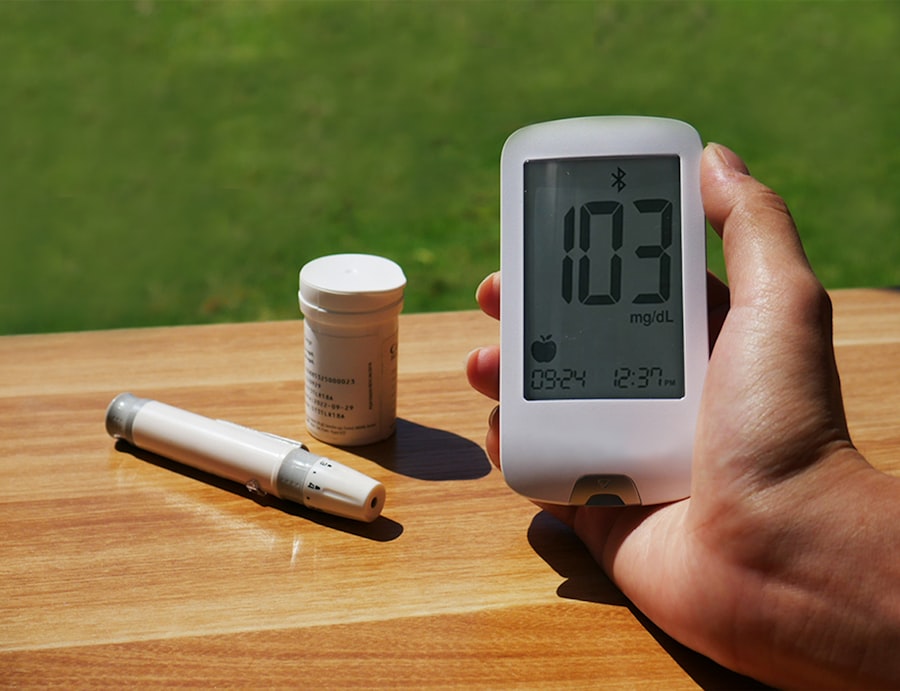
In tandem with advancements in glucose monitoring, smart insulin delivery systems have emerged as a game-changer for diabetes management. These devices are designed to automate insulin delivery based on real-time glucose readings, allowing for more precise control over your blood sugar levels. As a user, you can benefit from features such as automated basal rates and bolus calculations tailored to your specific needs.
This level of customization can significantly reduce the burden of manual insulin administration and improve overall glycemic control. The integration of smart insulin delivery systems with CGM technology creates a closed-loop system often referred to as an “artificial pancreas.” In this setup, the CGM continuously communicates with the insulin pump, adjusting insulin delivery based on your current glucose levels. This innovative approach not only simplifies the management process but also minimizes the risk of human error.
As you embrace this technology, you may find that it alleviates some of the stress associated with diabetes management, allowing you to focus on other aspects of your life.
Integration with Artificial Intelligence and Machine Learning
The incorporation of artificial intelligence (AI) and machine learning into wearable tech for diabetics is revolutionizing how you manage your condition. These technologies analyze vast amounts of data collected from your glucose monitors and insulin delivery systems to identify patterns and trends in your blood sugar levels. By leveraging this information, AI can provide personalized recommendations tailored to your unique lifestyle and health needs.
For instance, AI algorithms can predict potential hypoglycemic events based on historical data and current trends, allowing you to take preventive measures before a crisis occurs. Additionally, machine learning can help refine insulin dosing algorithms over time, improving accuracy and effectiveness as it learns from your individual responses to various foods and activities. As you engage with these intelligent systems, you may find that they not only enhance your understanding of diabetes management but also empower you to make more informed choices about your health.
Personalized Health and Wellness Tracking
| Device Name | Type | Key Features | Accuracy (%) | Battery Life (hours) | Release Date | Connectivity |
|---|---|---|---|---|---|---|
| GlucoTrack Pro | Continuous Glucose Monitor (CGM) | Non-invasive sensor, real-time alerts, AI-based trend prediction | 95 | 72 | Q1 2025 | Bluetooth, Wi-Fi |
| InsuBand X | Smart Insulin Patch | Automated insulin delivery, sweat analysis, smartphone app integration | 92 | 48 | Q2 2025 | Bluetooth |
| DiaWatch 2.0 | Smartwatch | Glucose monitoring, heart rate, activity tracking, insulin reminders | 90 | 36 | Q3 2025 | Bluetooth, LTE |
| BetaSense Ring | Wearable Ring Sensor | Continuous glucose monitoring, hydration tracking, discreet design | 93 | 60 | Q4 2025 | Bluetooth |
| SmartPatch Duo | Dual Sensor Patch | Glucose and ketone monitoring, customizable alerts, waterproof | 94 | 72 | Q2 2025 | Bluetooth, NFC |
Wearable technology has ushered in an era of personalized health and wellness tracking that is particularly beneficial for diabetics like yourself. Many devices now offer comprehensive health metrics beyond just glucose levels, including heart rate, physical activity, sleep patterns, and even stress levels. By monitoring these various aspects of your health, you can gain a holistic view of how different factors influence your diabetes management.
For example, understanding how exercise impacts your blood sugar levels can help you tailor your workout routines for optimal results. If you notice that certain activities lead to significant fluctuations in glucose levels, you can adjust your approach accordingly. Furthermore, tracking sleep quality can provide insights into how rest affects your overall well-being and blood sugar control.
This personalized approach allows you to take charge of your health in ways that were previously unimaginable.
Remote Monitoring and Telemedicine
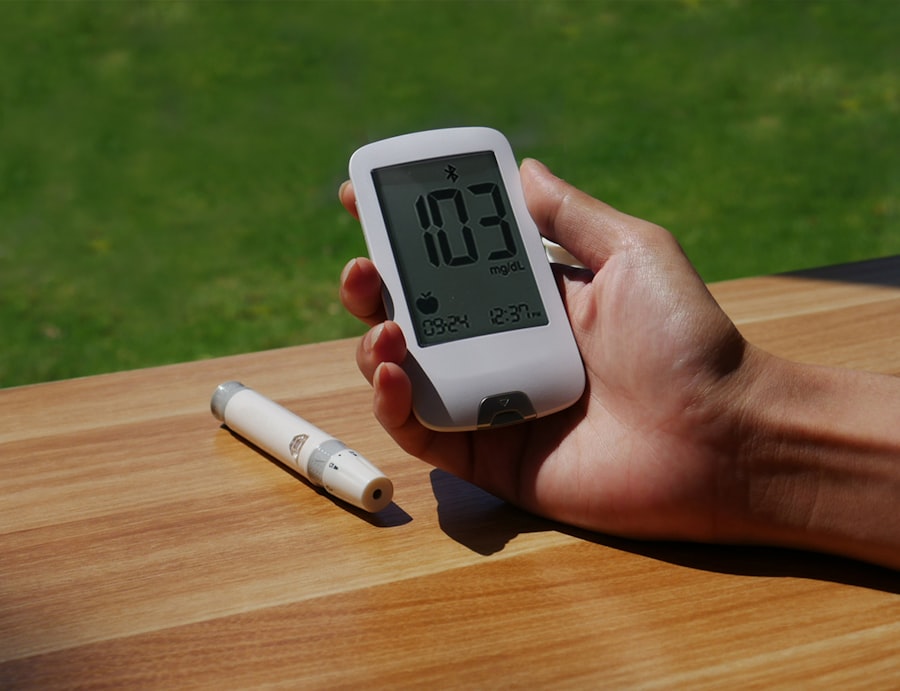
The rise of remote monitoring and telemedicine has further enhanced the capabilities of wearable tech for diabetics. With the ability to share real-time data with healthcare providers, you can receive timely feedback and support without the need for frequent in-person visits. This is particularly advantageous for those who may have difficulty accessing healthcare facilities or who prefer the convenience of virtual consultations.
Through remote monitoring, healthcare professionals can analyze your data and make informed decisions about your treatment plan based on real-time insights. This collaborative approach fosters a stronger relationship between you and your healthcare team, ensuring that you receive personalized care tailored to your evolving needs. Additionally, telemedicine allows for more frequent check-ins and adjustments to your treatment plan, ultimately leading to better health outcomes.
User Experience and Design Innovations
As wearable technology continues to evolve, user experience and design innovations play a crucial role in ensuring that these devices are accessible and appealing to diabetics like yourself. Manufacturers are increasingly focusing on creating user-friendly interfaces that simplify navigation and data interpretation. This emphasis on design not only enhances usability but also encourages consistent engagement with the technology.
Moreover, advancements in aesthetics have led to more stylish options that blend seamlessly into everyday life. You may find that modern wearable devices resemble fashionable accessories rather than medical equipment, making them more appealing to wear regularly. This shift in design philosophy helps reduce the stigma often associated with diabetes management while promoting a sense of empowerment as you take control of your health.
Future Implications and Considerations for Diabetics
Looking ahead, the future implications of wearable technology for diabetics are both exciting and promising. As advancements continue to unfold, you can expect even greater integration between devices, leading to more comprehensive solutions for diabetes management. The potential for improved accuracy in glucose monitoring and insulin delivery will likely enhance overall health outcomes for individuals living with diabetes.
However, it is essential to consider potential challenges as well. Data privacy and security remain critical concerns as more personal health information is collected and shared through these devices. Ensuring that your data is protected will be paramount as technology continues to advance.
Additionally, while wearable tech offers numerous benefits, it is vital to maintain open communication with healthcare providers to ensure that these tools complement rather than replace traditional medical care. In conclusion, wearable technology has revolutionized diabetes management by providing innovative solutions that empower individuals like yourself to take control of their health. From continuous glucose monitoring systems to smart insulin delivery devices and AI integration, these advancements offer unprecedented opportunities for personalized care.
As you embrace these technologies, remember that they are tools designed to enhance your journey toward better health and well-being.