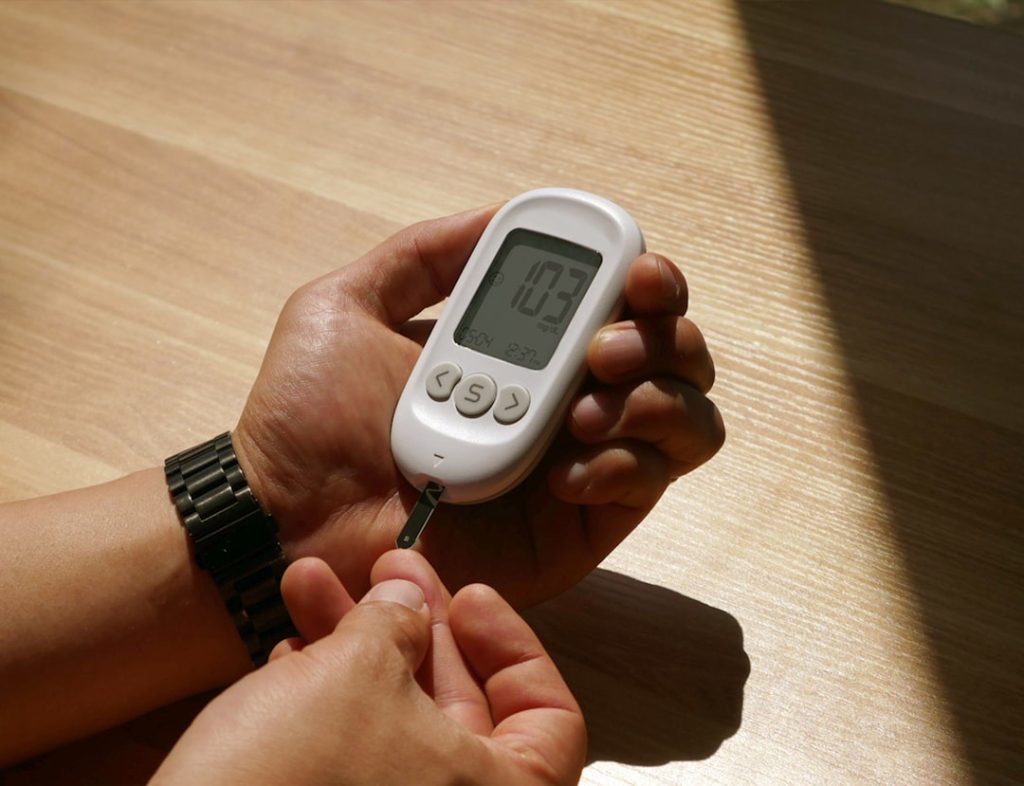
As diabetes management becomes increasingly complex, innovative solutions are essential. Traditional insulin delivery methods like syringes and pens often result in inconsistent dosing and can be difficult to incorporate into daily routines. Smart insulin patches represent a significant technological advancement that offers more efficient and user-friendly insulin delivery, potentially helping patients maintain more stable blood glucose levels.
Diabetes prevalence continues to increase worldwide, with millions of people depending on insulin therapy. The constant requirements of blood glucose monitoring and insulin administration create a substantial burden for patients. Smart insulin patches address these challenges by providing continuous, automated insulin delivery.
This technology has the potential to both improve quality of life and enhance health outcomes for individuals with diabetes.
Key Takeaways
- Smart insulin patches offer a promising alternative to traditional insulin delivery by providing controlled, responsive insulin release.
- These patches work by sensing glucose levels and automatically administering insulin as needed.
- Advantages include improved blood sugar control, reduced pain from injections, and enhanced patient compliance.
- Development challenges involve ensuring accurate glucose sensing, biocompatibility, and reliable insulin delivery mechanisms.
- Ongoing research focuses on optimizing patch design, regulatory approval, and preparing for market introduction to transform diabetes management.
How Smart Insulin Patches Work
Smart insulin patches are designed to integrate advanced technology with traditional insulin delivery methods. These patches typically contain a reservoir of insulin and are equipped with sensors that monitor your blood glucose levels in real-time. When your blood sugar rises above a predetermined threshold, the patch automatically releases the appropriate dose of insulin, ensuring that you receive the necessary treatment without the need for manual intervention.
The technology behind these patches often includes microelectronic components that communicate with your smartphone or other devices. This connectivity allows you to track your glucose levels and insulin delivery through an app, providing you with valuable insights into your diabetes management. You can receive alerts and notifications, enabling you to make informed decisions about your health.
This seamless integration of technology into your daily routine can significantly enhance your ability to manage diabetes effectively.
Advantages of Smart Insulin Patches
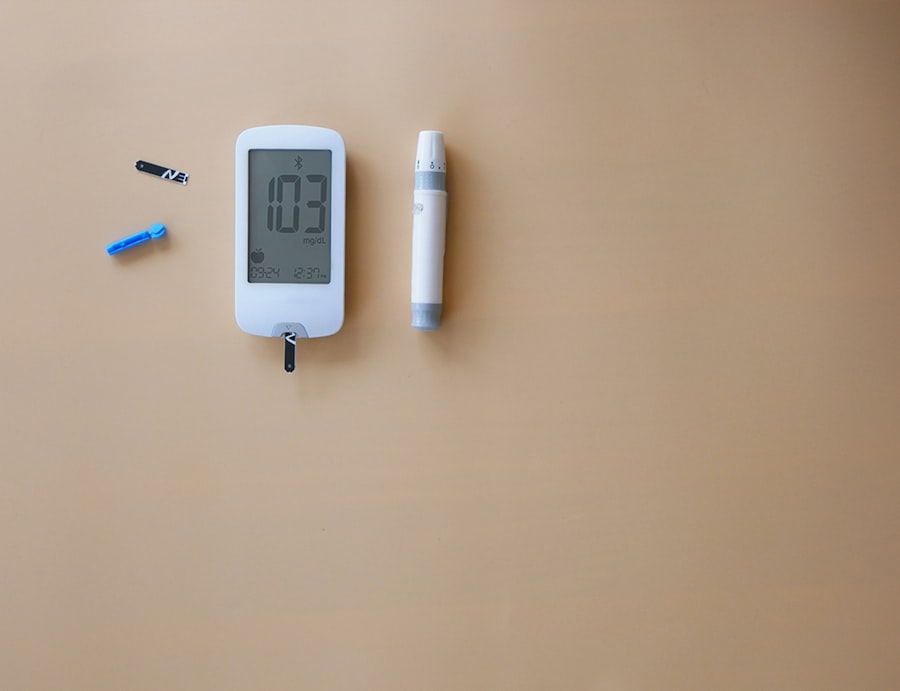
One of the most significant advantages of smart insulin patches is their ability to provide continuous glucose monitoring and insulin delivery. This feature allows for more precise control over your blood sugar levels, reducing the risk of both hyperglycemia and hypoglycemia. You may appreciate the peace of mind that comes with knowing that your insulin needs are being met automatically, without the constant need for manual injections or finger pricks.
Additionally, smart insulin patches are designed to be discreet and easy to use. Unlike traditional methods that may require you to carry around syringes or pens, these patches can be worn comfortably on your skin, allowing you to go about your daily activities without interruption. This convenience can lead to better adherence to your treatment plan, ultimately improving your overall health and well-being.
Furthermore, the data collected by these patches can help you and your healthcare provider make more informed decisions regarding your diabetes management.
Challenges in Developing Smart Insulin Patches
Despite the promising potential of smart insulin patches, several challenges remain in their development and implementation. One significant hurdle is ensuring the accuracy and reliability of the sensors used in these devices. You may be concerned about the potential for false readings or malfunctions that could lead to inappropriate insulin dosing.
Researchers are working diligently to enhance sensor technology, but achieving consistent performance in various conditions remains a complex task. Another challenge lies in the regulatory landscape surrounding medical devices. As smart insulin patches incorporate advanced technology, they must undergo rigorous testing and approval processes before they can be made available to consumers like you.
Navigating these regulatory requirements can be time-consuming and costly for developers, potentially delaying the availability of these innovative solutions in the market. You may find it frustrating that while the technology exists, it may take time before it becomes accessible for everyday use.
Current Research and Development in Smart Insulin Patches
| Metric | Details |
|---|---|
| Patch Type | Microneedle-based, Hydrogel-based, Electrochemical sensor integrated |
| Insulin Release Mechanism | Glucose-responsive, pH-sensitive, Enzyme-triggered |
| Response Time | 5 to 15 minutes |
| Duration of Action | 12 to 24 hours |
| Current Development Stage | Preclinical to Phase 2 Clinical Trials |
| Target Patient Group | Type 1 and Type 2 Diabetes |
| Advantages | Non-invasive, Continuous glucose monitoring, Automated insulin delivery |
| Challenges | Skin irritation, Insulin stability, Manufacturing scalability |
| Expected Market Availability | 2025-2028 |
The field of smart insulin patch development is rapidly evolving, with numerous research initiatives underway worldwide. Scientists and engineers are exploring various materials and technologies to enhance the functionality and effectiveness of these devices. For instance, researchers are investigating biocompatible materials that can improve skin adhesion while minimizing irritation or allergic reactions.
This focus on user comfort is essential for ensuring that you can wear the patch for extended periods without discomfort. Moreover, advancements in microelectronics and wireless communication are paving the way for more sophisticated smart insulin patches. You may be excited to learn about ongoing efforts to integrate artificial intelligence algorithms into these devices, allowing them to learn from your unique patterns and adjust insulin delivery accordingly.
This level of personalization could revolutionize diabetes management, making it more tailored to your individual needs and lifestyle.
Potential Impact of Smart Insulin Patches on Diabetes Management
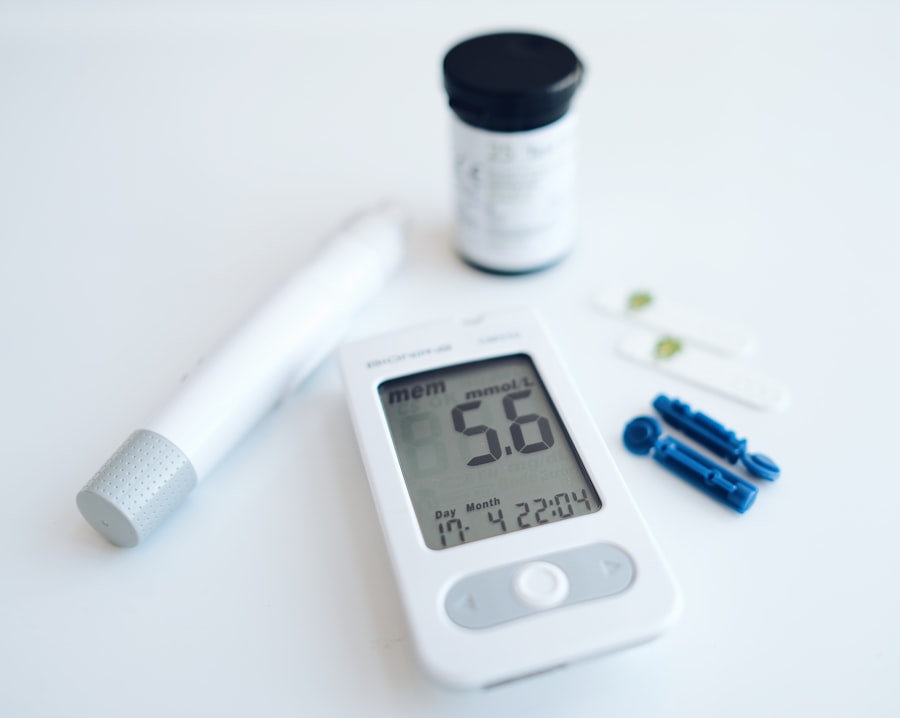
The introduction of smart insulin patches has the potential to transform diabetes management significantly. By providing real-time monitoring and automated insulin delivery, these devices can help you achieve better glycemic control with less effort. You may find that this technology reduces the anxiety associated with managing diabetes, allowing you to focus on other aspects of your life without constantly worrying about your blood sugar levels.
Furthermore, smart insulin patches could lead to improved health outcomes on a broader scale. As more individuals adopt this technology, healthcare providers may observe a decrease in diabetes-related complications such as cardiovascular disease, neuropathy, and retinopathy. The ability to maintain stable blood glucose levels consistently could enhance your overall quality of life while reducing healthcare costs associated with diabetes management.
Regulatory and Market Considerations for Smart Insulin Patches
As smart insulin patches continue to gain traction in the market, regulatory considerations will play a crucial role in their development and adoption. Regulatory bodies such as the U.S. Food and Drug Administration (FDA) are tasked with ensuring that these devices meet safety and efficacy standards before they can be marketed to consumers like you.
The approval process can be lengthy, but it is essential for maintaining public trust in new medical technologies. From a market perspective, the demand for smart insulin patches is expected to grow as awareness of diabetes management options increases. You may be part of a generation that values convenience and technology in healthcare, driving interest in innovative solutions like smart insulin patches.
As manufacturers respond to this demand, competition may lead to further advancements in design and functionality, ultimately benefiting you as a consumer.
Future Outlook for Smart Insulin Patches
Looking ahead, the future of smart insulin patches appears promising as research and development efforts continue to advance. You can expect ongoing innovations that enhance the accuracy, comfort, and usability of these devices. As technology evolves, it is likely that smart insulin patches will become even more integrated into your daily life, seamlessly connecting with other health monitoring devices and applications.
Moreover, as healthcare systems increasingly embrace personalized medicine, smart insulin patches could play a pivotal role in tailoring diabetes management strategies to individual patients like you. The potential for continuous improvement in technology means that you may soon have access to even more sophisticated tools that empower you to take control of your health effectively. In conclusion, smart insulin patches represent a significant leap forward in diabetes management technology.
By addressing the challenges associated with traditional insulin delivery methods, these innovative devices offer a more convenient and effective solution for individuals living with diabetes. As research progresses and regulatory hurdles are overcome, you can look forward to a future where managing diabetes becomes less burdensome and more integrated into your everyday life.