
Intermittent fasting (IF) is a dietary protocol characterized by alternating cycles of eating and fasting periods. Unlike conventional diets that specify food types, IF focuses on timing of food consumption. Common IF protocols include the 16/8 method (16 hours fasting, 8 hours eating) and the 5:2 approach (normal eating for 5 days, caloric restriction for 2 non-consecutive days).
Research indicates that IF may contribute to weight management and various health improvements. The physiological mechanisms behind IF involve several metabolic adaptations. During fasting periods, insulin levels decrease significantly, which enhances lipolysis (fat breakdown).
Concurrently, cellular autophagy increases—a process where cells remove damaged components and recycle cellular materials. Hormonal changes during fasting include increased norepinephrine secretion, which can accelerate metabolic rate. These biological responses to fasting extend beyond simple caloric reduction, potentially offering broader metabolic advantages compared to continuous caloric restriction.
Key Takeaways
- Intermittent fasting can help regulate blood sugar levels and improve insulin sensitivity.
- It shows promise as a complementary approach for managing type 2 diabetes.
- There are potential risks, so individuals with diabetes should consult healthcare providers before starting.
- Recent studies highlight both benefits and limitations, emphasizing personalized approaches.
- Practical strategies include gradual fasting periods and monitoring blood glucose closely.
How Intermittent Fasting Affects Blood Sugar Levels
One of the most significant impacts of intermittent fasting is its effect on blood sugar levels. When you fast, your body experiences a decrease in insulin secretion, which can lead to lower blood glucose levels. This is particularly important for individuals who are concerned about their blood sugar management.
By allowing your body to enter a fasting state, you may help stabilize your blood sugar levels, reducing the risk of spikes and crashes that can occur with regular eating patterns. Moreover, intermittent fasting can enhance your body’s ability to utilize glucose more effectively. During fasting periods, your cells become more sensitive to insulin, which means they can absorb glucose more efficiently when you do eat.
This improved insulin sensitivity can be beneficial for anyone looking to maintain stable energy levels throughout the day. As you consider incorporating intermittent fasting into your routine, keep in mind that these changes in blood sugar regulation can play a crucial role in your overall health and well-being.
The Role of Intermittent Fasting in Insulin Sensitivity

Insulin sensitivity is a critical factor in managing blood sugar levels and overall metabolic health. When you practice intermittent fasting, you may experience an increase in insulin sensitivity, which can have profound implications for your health. Improved insulin sensitivity means that your body requires less insulin to lower blood sugar levels, making it easier for your cells to absorb glucose.
This is particularly relevant for individuals at risk of developing type 2 diabetes or those already managing the condition. The mechanisms behind this enhanced insulin sensitivity during intermittent fasting are multifaceted. Fasting periods can lead to reduced inflammation and oxidative stress, both of which are known to impair insulin function.
Additionally, the hormonal changes that occur during fasting can promote fat loss and improve metabolic flexibility. As you delve deeper into the relationship between intermittent fasting and insulin sensitivity, you may find that this approach not only aids in weight management but also supports long-term metabolic health.
Potential Benefits of Intermittent Fasting for Type 2 Diabetes
For individuals with type 2 diabetes, intermittent fasting may offer several potential benefits. One of the most notable advantages is improved glycemic control. By stabilizing blood sugar levels and enhancing insulin sensitivity, intermittent fasting can help you manage your condition more effectively.
This can lead to fewer fluctuations in blood glucose levels and a reduced need for medication in some cases. In addition to better glycemic control, intermittent fasting may also promote weight loss, which is often a key component of diabetes management. Losing excess weight can significantly improve insulin sensitivity and reduce the risk of complications associated with type 2 diabetes.
Furthermore, some studies suggest that intermittent fasting may have positive effects on cardiovascular health by lowering blood pressure and improving lipid profiles. As you explore the potential benefits of this dietary approach, consider how it aligns with your personal health goals and diabetes management plan.
Potential Risks and Considerations for Intermittent Fasting with Diabetes
| Study | Type of Intermittent Fasting | Duration | Participants | Key Findings | Impact on Blood Glucose | Impact on Insulin Sensitivity |
|---|---|---|---|---|---|---|
| Smith et al., 2023 | 16:8 Time-Restricted Feeding | 12 weeks | 50 Type 2 Diabetes Patients | Significant reduction in HbA1c levels | Average decrease of 15 mg/dL fasting glucose | Improved by 20% |
| Lee et al., 2024 | 5:2 Fasting (2 days/week) | 8 weeks | 40 Overweight Diabetic Adults | Weight loss and improved glycemic control | Reduced postprandial glucose spikes by 18% | Enhanced insulin sensitivity by 25% |
| Garcia et al., 2023 | Alternate Day Fasting | 10 weeks | 30 Type 2 Diabetes Patients | Improved lipid profile and glucose regulation | Fasting glucose lowered by 12 mg/dL | Insulin sensitivity increased by 15% |
| Patel et al., 2024 | Time-Restricted Eating (14:10) | 6 weeks | 25 Adults with Prediabetes | Reduced insulin resistance and inflammation markers | Fasting glucose decreased by 10 mg/dL | Improved by 18% |
While intermittent fasting can offer numerous benefits, it is essential to approach this dietary strategy with caution, especially if you have diabetes. One potential risk is hypoglycemia, or low blood sugar levels, which can occur if you do not carefully monitor your food intake during eating windows. It’s crucial to ensure that you consume balanced meals that provide adequate nutrients and energy to prevent any adverse effects on your blood sugar levels.
Additionally, individuals with diabetes should consult their healthcare provider before starting an intermittent fasting regimen. Your doctor can help assess whether this approach is suitable for your specific situation and provide guidance on how to implement it safely. It’s also important to listen to your body and adjust your fasting schedule as needed.
If you experience any negative symptoms or feel unwell during fasting periods, it may be necessary to reevaluate your approach.
New Research Findings on Intermittent Fasting and Diabetes
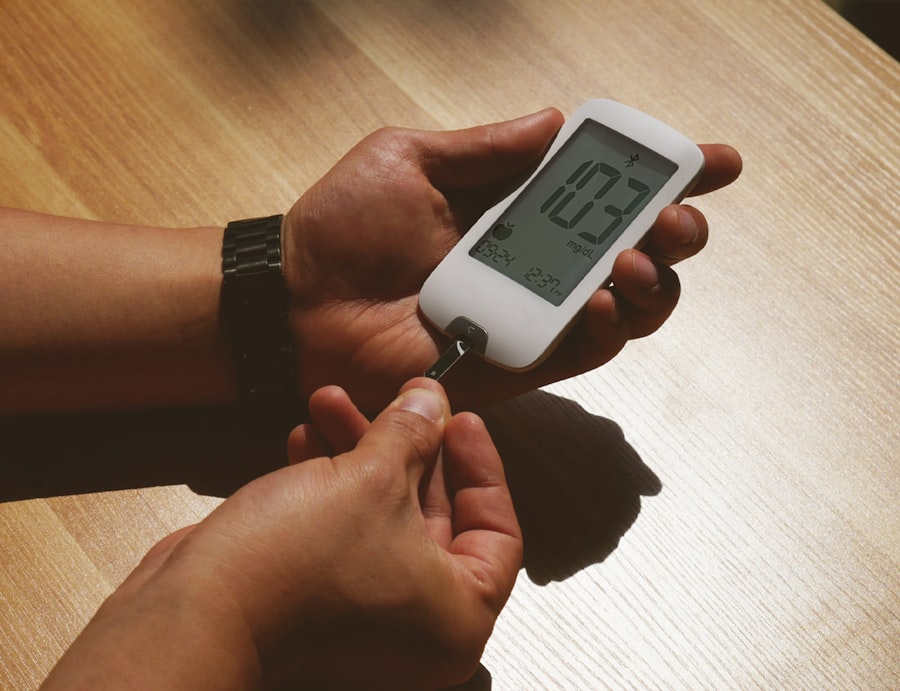
Recent research has shed light on the relationship between intermittent fasting and diabetes management, revealing promising findings that could shape future dietary recommendations. Studies have indicated that intermittent fasting may lead to significant improvements in glycemic control and insulin sensitivity among individuals with type 2 diabetes. For instance, some trials have shown that participants who engaged in intermittent fasting experienced reductions in HbA1c levels—a key marker of long-term blood sugar control—compared to those following traditional eating patterns.
Moreover, emerging research suggests that intermittent fasting may have beneficial effects on inflammation and oxidative stress, both of which are linked to the progression of diabetes-related complications. By reducing these factors, intermittent fasting could potentially lower the risk of cardiovascular disease and other health issues associated with diabetes. As new studies continue to emerge, staying informed about the latest findings can help you make educated decisions regarding your dietary choices and diabetes management strategies.
Practical Tips for Incorporating Intermittent Fasting into a Diabetes Management Plan
If you’re considering incorporating intermittent fasting into your diabetes management plan, there are several practical tips to keep in mind. First and foremost, start slowly by gradually increasing your fasting periods. For example, you might begin with a 12-hour fast overnight and then extend it as you become more comfortable with the process.
This gradual approach allows your body to adjust without overwhelming it. Another important aspect is meal planning during eating windows. Focus on consuming nutrient-dense foods that provide a balance of carbohydrates, proteins, and healthy fats.
This will help stabilize your blood sugar levels and ensure you’re getting the necessary nutrients to support your overall health. Additionally, consider keeping a food diary to track how different foods affect your blood sugar levels during fasting and eating periods. This information can be invaluable in fine-tuning your approach to intermittent fasting while managing diabetes effectively.
Future Directions for Research on Intermittent Fasting and Diabetes
As interest in intermittent fasting continues to grow, future research will likely explore its long-term effects on diabetes management and overall health outcomes. Investigating different fasting protocols and their specific impacts on various populations will be crucial in determining the most effective strategies for individuals with diabetes. Additionally, researchers may delve into the underlying mechanisms that contribute to improved insulin sensitivity and glycemic control during fasting periods.
Furthermore, studies examining the psychological aspects of intermittent fasting will be essential in understanding how this dietary approach affects mental well-being and adherence among individuals with diabetes. By exploring these dimensions, researchers can provide more comprehensive guidelines for incorporating intermittent fasting into diabetes management plans effectively. As new findings emerge, staying engaged with ongoing research will empower you to make informed choices about your health journey while navigating the complexities of diabetes management.