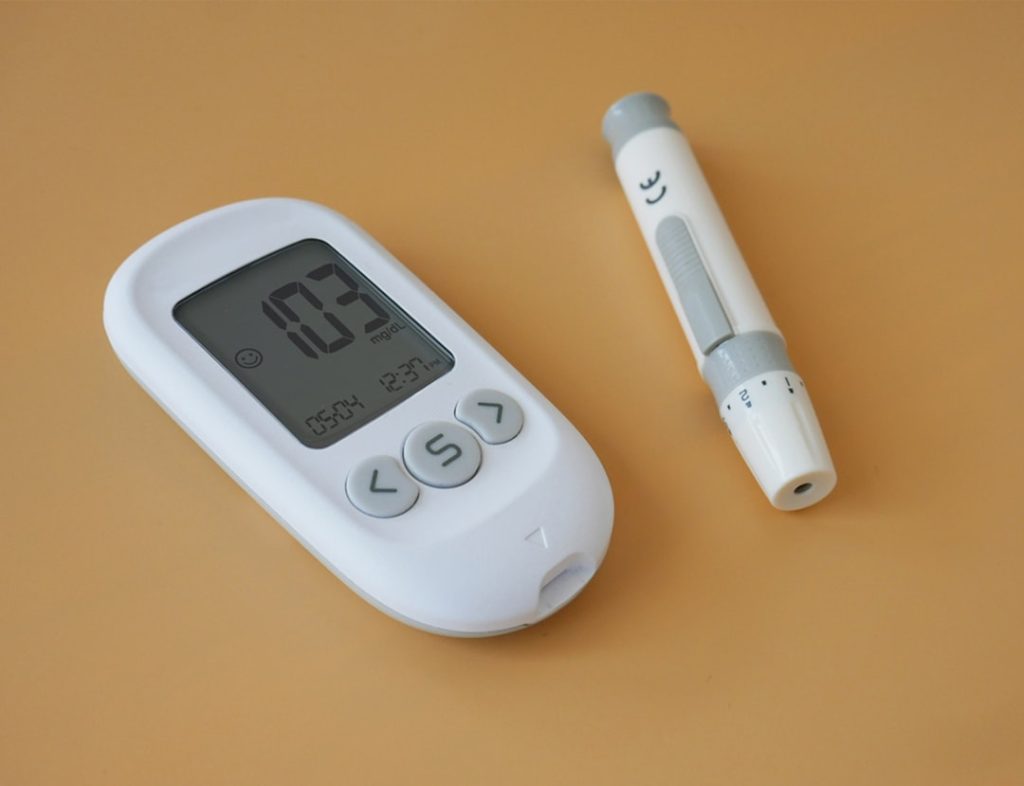
Diabetes Treatment Trials: Advancements and Opportunities
Recent diabetes treatment trials represent significant progress in diabetes care research. Scientists are developing new therapies aimed at improving quality of life for individuals with diabetes. These clinical studies evaluate innovative approaches that may eventually transform standard diabetes management protocols.
Treatment trials serve as the essential connection between laboratory research and practical medical applications. They allow for systematic testing of new medications, medical devices, and lifestyle interventions under controlled conditions. Each trial has dual objectives: determining the effectiveness of new treatments while rigorously assessing their safety profile.
Individuals who participate in diabetes trials may gain access to experimental treatments before they become widely available. Additionally, these studies contribute valuable data that helps researchers develop more personalized and effective diabetes management strategies. The collective knowledge gained through these trials continues to enhance our understanding of diabetes and improve treatment options for the millions affected by this condition.
Key Takeaways
- New diabetes treatment trials are exploring cutting-edge drug therapies and delivery methods.
- Innovations in insulin delivery and continuous glucose monitoring are enhancing patient care.
- Pancreatic islet transplantation shows potential as a breakthrough treatment option.
- Artificial intelligence is increasingly integrated into diabetes management strategies.
- Lifestyle intervention trials emphasize the importance of patient participation and informed decision-making.
Promising New Drug Therapies for Diabetes
In recent years, several promising drug therapies have emerged from clinical trials, offering new hope for those managing diabetes. One such class of medications is the GLP-1 receptor agonists, which have shown remarkable efficacy in lowering blood sugar levels while also promoting weight loss. As you explore these options, you may find that these drugs not only help regulate your glucose levels but also contribute to an overall healthier lifestyle.
The dual benefits of weight management and glycemic control make these therapies particularly appealing for individuals struggling with obesity-related diabetes. Another exciting development is the introduction of SGLT2 inhibitors, which work by preventing glucose reabsorption in the kidneys. This innovative approach not only aids in blood sugar control but also has been linked to cardiovascular benefits.
If you are considering participating in a trial involving these medications, you may be among the first to experience their potential advantages. The ongoing research surrounding these therapies continues to reveal new insights into their long-term effects, making them a focal point in the quest for improved diabetes management.
Innovative Approaches to Insulin Delivery

The traditional methods of insulin delivery have long been a source of frustration for many individuals with diabetes. However, recent innovations are transforming how insulin is administered, making it more convenient and effective for you. One such advancement is the development of smart insulin pens that can track dosages and provide reminders for injections.
These devices not only simplify the process but also enhance your ability to manage your diabetes more effectively. Moreover, researchers are exploring the potential of insulin patches and inhalable insulin as alternative delivery methods. These innovations aim to eliminate the need for needles and reduce the anxiety associated with injections.
If you find yourself hesitant about traditional insulin delivery methods, these new options may offer a more comfortable and user-friendly experience. As clinical trials continue to assess the safety and efficacy of these innovative approaches, you may soon have access to a range of choices that better suit your lifestyle and preferences.
Advancements in Continuous Glucose Monitoring
Continuous glucose monitoring (CGM) technology has revolutionized diabetes management by providing real-time data on blood sugar levels. This advancement allows you to make informed decisions about your diet, exercise, and medication in a way that was previously unimaginable. With CGM devices, you can track your glucose levels throughout the day and receive alerts when they fall outside your target range.
This proactive approach empowers you to take control of your diabetes management like never before. The latest CGM systems are becoming increasingly sophisticated, featuring improved accuracy and longer wear times. Some devices even integrate with smartphones and smartwatches, allowing you to monitor your glucose levels discreetly and conveniently.
As you consider participating in trials focused on CGM technology, you may find that these advancements not only enhance your understanding of your condition but also lead to better overall health outcomes. The ability to respond quickly to fluctuations in your glucose levels can significantly reduce the risk of complications associated with diabetes.
Potential Breakthroughs in Pancreatic Islet Transplantation
| Trial Name | Type of Diabetes | Treatment Type | Phase | Primary Endpoint | Estimated Completion |
|---|---|---|---|---|---|
| GLP-1 Receptor Agonist Study | Type 2 | Oral GLP-1 Agonist | Phase 3 | HbA1c Reduction | Q4 2024 |
| Beta Cell Regeneration Trial | Type 1 | Stem Cell Therapy | Phase 2 | Insulin Independence | Q2 2025 |
| SGLT2 Inhibitor Combination Study | Type 2 | Combination Therapy | Phase 3 | Cardiovascular Outcomes | Q1 2025 |
| Immunomodulatory Treatment Trial | Type 1 | Immune Therapy | Phase 2 | Preservation of C-Peptide | Q3 2024 |
| Artificial Pancreas System Evaluation | Type 1 | Device-Based Therapy | Phase 3 | Time in Range Improvement | Q4 2024 |
Pancreatic islet transplantation represents a promising avenue for individuals with type 1 diabetes who struggle with severe hypoglycemia or have difficulty managing their blood sugar levels. This procedure involves transplanting clusters of insulin-producing cells from a donor pancreas into your own body. While this treatment is still in its infancy, ongoing research is exploring ways to improve its success rates and longevity.
Recent trials have focused on enhancing the viability of transplanted islets through advanced preservation techniques and immunosuppressive therapies. If you are considering this option, it’s essential to understand that while islet transplantation can significantly improve your quality of life, it also requires lifelong immunosuppression to prevent rejection. As researchers continue to refine this procedure, there is hope that it may become a viable option for more individuals living with diabetes, offering a potential cure rather than just management.
The Role of Artificial Intelligence in Diabetes Management
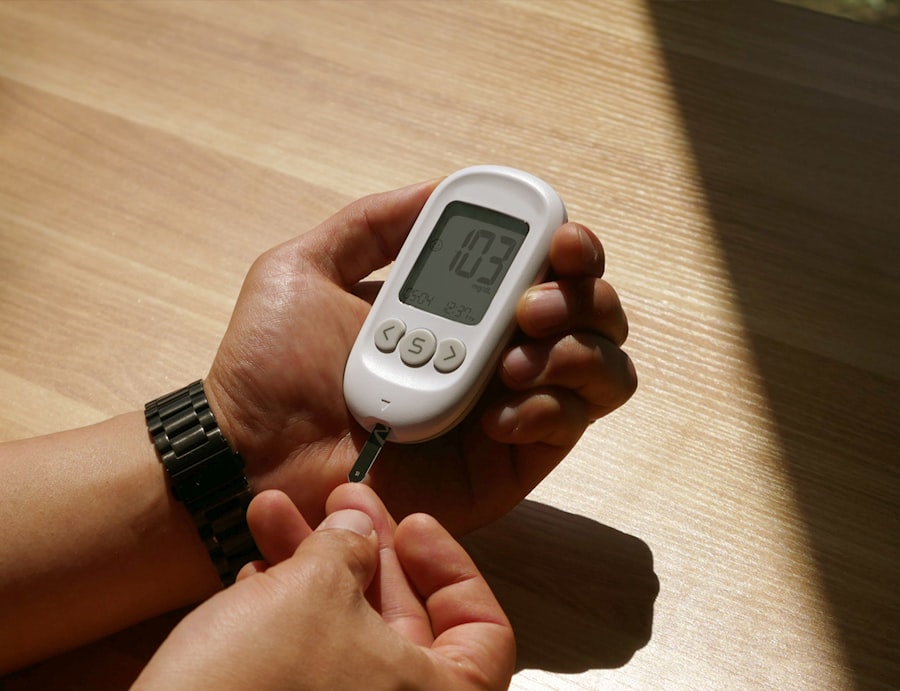
Artificial intelligence (AI) is making waves across various fields, and diabetes management is no exception. AI algorithms are being developed to analyze vast amounts of data from continuous glucose monitors, insulin pumps, and other devices to provide personalized recommendations for managing your condition. By leveraging machine learning techniques, these systems can identify patterns in your glucose levels and suggest adjustments to your insulin regimen or dietary choices.
As you consider the implications of AI in diabetes care, it’s important to recognize its potential to enhance your self-management capabilities. With AI-driven tools at your disposal, you may find it easier to navigate the complexities of diabetes management while receiving tailored insights that align with your unique needs. The integration of AI into diabetes care represents a significant step toward more personalized treatment approaches that empower you to take charge of your health.
Trials Investigating Lifestyle Interventions for Diabetes
While medication plays a crucial role in diabetes management, lifestyle interventions are equally important in achieving optimal health outcomes. Clinical trials investigating dietary changes, exercise regimens, and behavioral modifications are shedding light on how these factors can influence blood sugar control. If you are interested in exploring lifestyle interventions as part of your diabetes management plan, participating in these trials could provide valuable insights into what works best for you.
Recent studies have highlighted the effectiveness of plant-based diets and low-carbohydrate eating patterns in improving glycemic control and promoting weight loss. Additionally, incorporating regular physical activity into your routine has been shown to enhance insulin sensitivity and overall well-being. By engaging in trials focused on lifestyle interventions, you may discover new strategies that resonate with your personal preferences and goals, ultimately leading to better management of your diabetes.
Considerations for Patients Interested in Participating in Diabetes Treatment Trials
If you are contemplating participation in a diabetes treatment trial, there are several important considerations to keep in mind. First and foremost, it’s essential to discuss your interest with your healthcare provider, who can help determine whether a specific trial aligns with your medical history and current treatment plan. They can also provide guidance on potential risks and benefits associated with participation.
Additionally, take the time to thoroughly research any trial you are considering. Understanding the study’s objectives, eligibility criteria, and potential outcomes will empower you to make an informed decision about whether participation is right for you. Remember that while clinical trials offer access to cutting-edge treatments, they also involve a commitment of time and effort on your part.
By weighing these factors carefully, you can make a choice that aligns with your health goals and personal circumstances. In conclusion, the landscape of diabetes treatment is rapidly evolving through innovative research and clinical trials. From promising new drug therapies to advancements in technology and lifestyle interventions, there are numerous avenues being explored that could significantly enhance your ability to manage this chronic condition effectively.
As you consider participating in these trials or simply staying informed about their developments, remember that each step taken today brings us closer to a future where diabetes management is more effective and personalized than ever before.