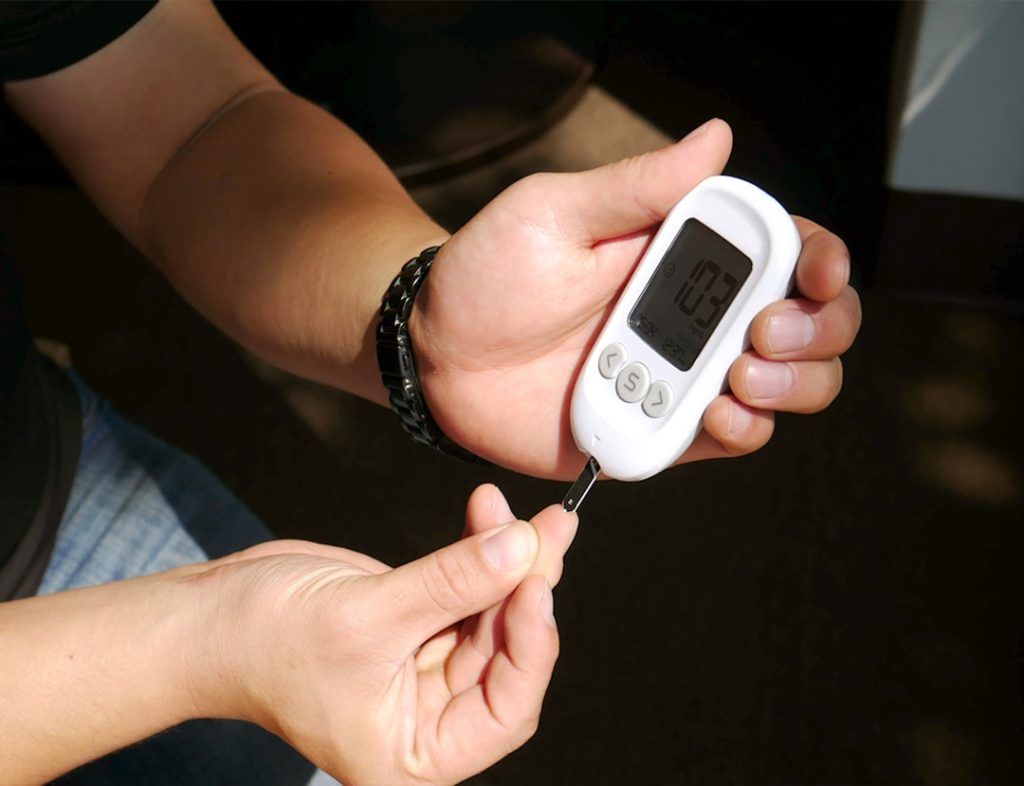
Navigating the landscape of diabetes management can be daunting, especially with the myriad of treatment options available today. The U.S. Food and Drug Administration (FDA) plays a crucial role in ensuring that these treatments are safe and effective for patients.
As someone who may be affected by diabetes, understanding the FDA’s approval process can empower you to make informed decisions about your health. The FDA evaluates new medications and devices through rigorous clinical trials, assessing their efficacy, safety, and potential side effects before granting approval. This process is vital in providing you with reliable options for managing your condition.
In recent years, the FDA has approved a variety of innovative treatments for diabetes, reflecting advancements in medical research and technology. These approvals encompass new insulin formulations, oral medications, non-insulin injectables, medical devices, and combination therapies. Each of these categories offers unique benefits and considerations that can significantly impact your diabetes management journey.
By staying informed about these developments, you can better understand how they may fit into your treatment plan and improve your overall quality of life.
Key Takeaways
- The FDA has recently approved several new diabetes treatments, including innovative insulin formulations and oral medications.
- Non-insulin injectable therapies and combination treatments have expanded options for personalized diabetes management.
- New medical devices approved by the FDA enhance monitoring and management of diabetes for patients.
- Safety profiles and potential side effects of these new treatments are carefully evaluated to ensure patient well-being.
- Ongoing research and FDA approvals indicate a promising future for more effective and diverse diabetes therapies.
New Insulin Formulations Approved by the FDA
The landscape of insulin therapy has evolved dramatically, with new formulations designed to enhance convenience and effectiveness. Recent FDA approvals have introduced long-acting and rapid-acting insulins that cater to the diverse needs of individuals living with diabetes. For instance, you may find that newer long-acting insulins provide more stable blood sugar control with fewer peaks and troughs, allowing for greater flexibility in your daily routine.
These formulations can help you maintain a more consistent glucose level throughout the day, reducing the risk of hypoglycemia. Moreover, rapid-acting insulins have also seen advancements that improve their onset and duration of action. These insulins are designed to mimic the natural insulin response to meals more closely, which can be particularly beneficial for those who struggle with postprandial blood sugar spikes.
With these new options, you may find it easier to manage your blood sugar levels around mealtimes, leading to a more balanced approach to eating and insulin administration. The ongoing innovation in insulin formulations underscores the commitment to improving diabetes care and enhancing your overall treatment experience.
Oral Medications for Diabetes Recently Approved by the FDA

Oral medications remain a cornerstone of diabetes management, particularly for those with type 2 diabetes. The FDA has recently approved several new oral agents that offer novel mechanisms of action and improved efficacy. These medications can help you achieve better glycemic control while minimizing side effects.
For example, some of the latest oral treatments target specific pathways involved in glucose metabolism, providing a more tailored approach to managing your blood sugar levels. In addition to their effectiveness, many of these new oral medications have been associated with weight loss or weight neutrality, which is an important consideration for individuals with type 2 diabetes who may also be managing obesity. This dual benefit can enhance your overall health and well-being, making it easier to adhere to your treatment plan.
As you explore these new options, it’s essential to discuss them with your healthcare provider to determine which medication aligns best with your individual needs and lifestyle.
Non-Insulin Injectable Diabetes Treatments Approved by the FDA
In addition to insulin therapies, non-insulin injectable treatments have gained traction in diabetes management. The FDA has approved several new injectable medications that offer alternative options for those who may not respond well to traditional therapies or prefer not to use insulin. These treatments often work by mimicking hormones that regulate blood sugar levels or by enhancing insulin sensitivity.
As someone managing diabetes, you may find these options appealing due to their unique mechanisms of action and potential benefits. One notable class of non-insulin injectables is GLP-1 receptor agonists, which have shown promise in improving glycemic control while also promoting weight loss. These medications can help you feel fuller after meals, reducing overall caloric intake and supporting weight management efforts.
Additionally, some GLP-1 receptor agonists have cardiovascular benefits, which is particularly important given the increased risk of heart disease associated with diabetes. By considering these non-insulin injectable options, you can expand your treatment arsenal and find a regimen that works best for you.
Medical Devices for Diabetes Management Approved by the FDA
| Drug Name | Approval Date | Type of Treatment | Indication | Mechanism of Action | Manufacturer |
|---|---|---|---|---|---|
| Lyumjev (insulin lispro-aabc) | 2020-06 | Rapid-acting insulin | Type 1 and Type 2 Diabetes | Fast-acting insulin analog | Eli Lilly and Company |
| Tirzepatide (Mounjaro) | 2022-05 | GLP-1 and GIP receptor agonist | Type 2 Diabetes | Dual incretin receptor agonist | Eli Lilly and Company |
| Segluromet (ertugliflozin/metformin) | 2020-12 | SGLT2 inhibitor + Biguanide | Type 2 Diabetes | Increases glucose excretion and decreases hepatic glucose production | Merck & Co. |
| Rybelsus (semaglutide oral) | 2019-09 | GLP-1 receptor agonist | Type 2 Diabetes | Enhances insulin secretion and suppresses glucagon | Novo Nordisk |
| Qternmet XR (dapagliflozin/saxagliptin/metformin) | 2021-07 | Combination therapy | Type 2 Diabetes | SGLT2 inhibitor + DPP-4 inhibitor + Biguanide | AstraZeneca |
The integration of technology into diabetes management has revolutionized how you monitor and control your condition. The FDA has approved various medical devices designed to enhance diabetes care, including continuous glucose monitors (CGMs) and insulin delivery systems. These devices provide real-time data on your blood sugar levels, allowing for more informed decision-making regarding your treatment plan.
With a CGM, you can track trends in your glucose levels throughout the day, helping you identify patterns and make necessary adjustments. Insulin delivery systems have also seen significant advancements, with new pumps offering features such as automated insulin delivery based on CGM readings. This technology can simplify your daily routine by reducing the burden of manual insulin administration while improving overall glycemic control.
As you explore these devices, consider how they might fit into your lifestyle and enhance your ability to manage diabetes effectively. The ongoing development of medical devices reflects a commitment to improving patient outcomes and making diabetes management more accessible.
FDA-Approved Combination Therapies for Diabetes

Combination therapies have emerged as a powerful strategy in diabetes management, allowing for synergistic effects that enhance glycemic control while minimizing side effects. The FDA has approved several combination medications that pair different classes of drugs to target multiple pathways involved in glucose regulation. For you as a patient, this means potentially fewer pills to take while benefiting from the combined effects of multiple agents.
These combination therapies often include an oral medication paired with an injectable agent or two oral medications with complementary mechanisms of action. This approach can lead to improved adherence to treatment regimens since fewer medications may simplify your daily routine. Additionally, combination therapies can help address individual challenges you may face in managing your blood sugar levels, providing a more personalized approach to care.
As you consider these options, it’s essential to work closely with your healthcare provider to determine the best combination therapy for your specific needs.
Potential Side Effects and Safety Considerations of Newly Approved Diabetes Treatments
While new diabetes treatments offer exciting possibilities for improved management, it’s crucial to remain aware of potential side effects and safety considerations associated with these therapies. Each medication or device comes with its own set of risks that you should discuss with your healthcare provider before starting any new treatment. For instance, some oral medications may lead to gastrointestinal issues or hypoglycemia if not used correctly.
Injectable treatments may also carry risks such as injection site reactions or potential allergic responses. Understanding these potential side effects allows you to monitor your body’s reactions closely and communicate any concerns with your healthcare team promptly. Additionally, staying informed about the safety profiles of newly approved treatments can help you make educated choices about your diabetes management plan.
Future Outlook for FDA Approvals in Diabetes Treatment
As research continues to advance in the field of diabetes care, the future outlook for FDA approvals is promising. Ongoing studies are exploring innovative therapies that target various aspects of diabetes management, from novel drug classes to cutting-edge technologies like artificial pancreas systems. These developments hold the potential to transform how you manage your condition and improve overall outcomes.
Moreover, as personalized medicine becomes increasingly prevalent, future treatments may be tailored specifically to individual genetic profiles or metabolic responses. This shift could lead to more effective therapies with fewer side effects, ultimately enhancing your quality of life as someone living with diabetes. By staying engaged with emerging research and discussing new options with your healthcare provider, you can remain proactive in managing your condition and take advantage of the latest advancements in diabetes treatment.
In conclusion, understanding the landscape of FDA-approved diabetes treatments is essential for anyone navigating this chronic condition. With a variety of new insulin formulations, oral medications, non-insulin injectables, medical devices, combination therapies, and ongoing research into future options, you have access to an array of tools designed to help you manage your diabetes effectively. By staying informed and working closely with your healthcare team, you can make empowered decisions that support your health and well-being on this journey.