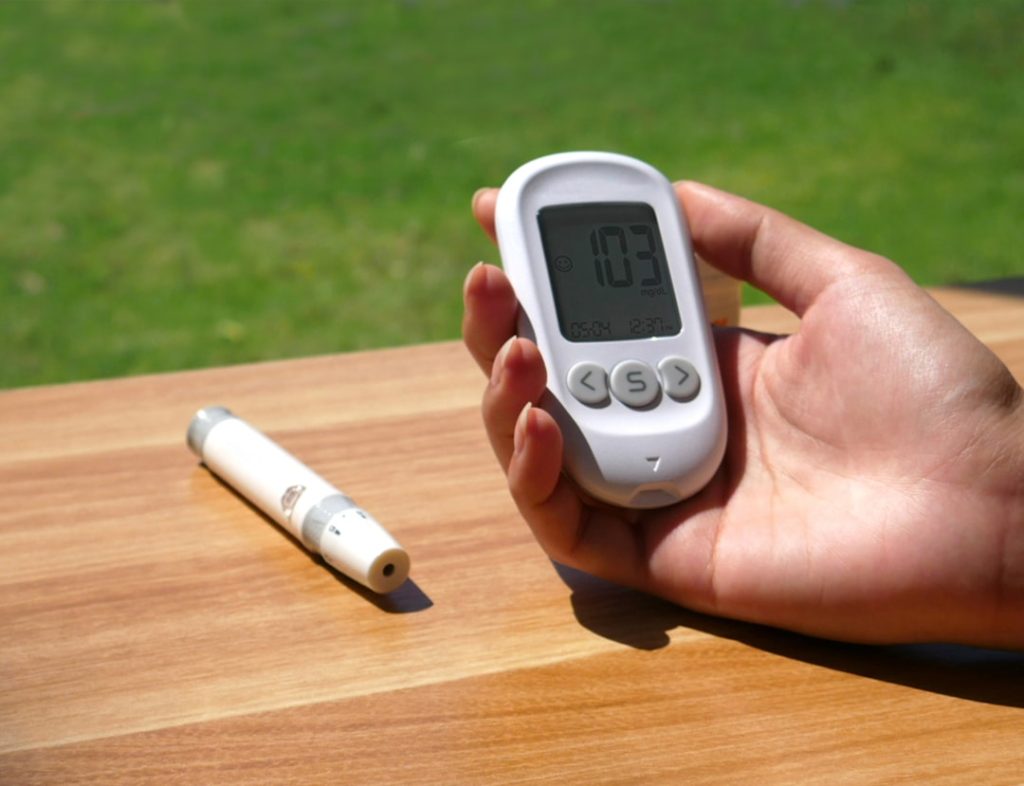
Type 2 diabetes is a chronic metabolic disorder characterized by the body’s impaired ability to process glucose effectively. In this condition, cells develop resistance to insulin, or the pancreas fails to produce sufficient insulin to maintain normal blood glucose levels. Consequently, blood sugar levels remain elevated, potentially leading to severe long-term complications including cardiovascular disease, nephropathy, and neuropathy.
Several risk factors contribute to the development of type 2 diabetes. Obesity, particularly abdominal adiposity, significantly increases risk due to its association with insulin resistance. Physical inactivity further compounds this risk by reducing glucose uptake by muscle tissue.
Genetic predisposition also plays a substantial role, with individuals having a family history of diabetes facing elevated risk. Additional factors include age over 45, certain ethnicities, gestational diabetes history, and metabolic syndrome. Common symptoms of type 2 diabetes include polydipsia (excessive thirst), polyuria (frequent urination), fatigue, and visual disturbances.
These symptoms result from the body’s inability to utilize glucose efficiently and the subsequent physiological responses to hyperglycemia. Early detection through regular screening and prompt medical evaluation of symptoms enables timely intervention, which can prevent or delay complications and improve long-term health outcomes. Proper management typically involves lifestyle modifications, blood glucose monitoring, and potentially pharmacological interventions as determined by healthcare professionals.
Key Takeaways
- Type 2 diabetes management involves lifestyle changes including diet, exercise, and stress control.
- A balanced diet and regular physical activity are crucial for blood sugar regulation.
- Managing stress and ensuring adequate sleep support overall diabetes control.
- Limiting alcohol intake and avoiding tobacco use reduce complications.
- Regular health check-ups help monitor and adjust treatment effectively.
Maintaining a Healthy Diet
A healthy diet plays a pivotal role in managing type 2 diabetes. You should focus on incorporating a variety of nutrient-dense foods into your meals. This includes whole grains, lean proteins, healthy fats, fruits, and vegetables.
By prioritizing these food groups, you can help regulate your blood sugar levels and maintain a healthy weight. It’s also beneficial to monitor your carbohydrate intake, as carbohydrates have a direct impact on blood glucose levels. You might consider working with a registered dietitian who can help you create a personalized meal plan that aligns with your health goals.
In addition to choosing the right foods, portion control is another critical aspect of maintaining a healthy diet. You may find it helpful to use smaller plates or bowls to help manage portion sizes. Eating mindfully—taking the time to savor each bite and listen to your body’s hunger cues—can also aid in preventing overeating.
Remember that it’s not just about what you eat but how much you eat that can influence your blood sugar levels. By making conscious choices about your diet, you can take significant strides toward managing your type 2 diabetes effectively.
Regular Physical Activity

Engaging in regular physical activity is essential for managing type 2 diabetes and improving overall health. You should aim for at least 150 minutes of moderate aerobic exercise each week, such as brisk walking, swimming, or cycling. Incorporating strength training exercises at least twice a week can also be beneficial, as building muscle helps improve insulin sensitivity.
Finding activities that you enjoy can make it easier to stick to a routine. Whether it’s dancing, hiking, or joining a local sports team, staying active doesn’t have to feel like a chore. In addition to structured workouts, consider integrating more movement into your daily life.
Simple changes like taking the stairs instead of the elevator or going for short walks during breaks can add up over time. You might also find it helpful to set specific goals for yourself, such as walking a certain number of steps each day or participating in a charity run. By making physical activity a regular part of your life, you not only help manage your blood sugar levels but also enhance your mood and energy levels.
Managing Stress Levels
Stress management is often overlooked but is crucial for individuals with type 2 diabetes. When you experience stress, your body releases hormones like cortisol and adrenaline that can raise blood sugar levels. Therefore, finding effective ways to manage stress is vital for maintaining stable glucose levels.
You might explore various stress-reduction techniques such as mindfulness meditation, yoga, or deep-breathing exercises. These practices can help calm your mind and reduce the physiological effects of stress on your body. Additionally, consider engaging in hobbies or activities that bring you joy and relaxation.
Whether it’s painting, gardening, or reading a good book, taking time for yourself can significantly lower stress levels. It’s also important to build a support network of friends and family who understand your challenges and can provide encouragement when needed. By actively managing stress in your life, you can create a more balanced emotional state that positively impacts your overall health.
Getting Enough Sleep
| Prevention Method | Description | Recommended Frequency/Amount | Expected Impact on Diabetes Risk |
|---|---|---|---|
| Maintain Healthy Weight | Achieve and sustain a body mass index (BMI) within the normal range to reduce insulin resistance. | Lose 5-10% of body weight if overweight | Reduces risk by up to 58% |
| Regular Physical Activity | Engage in aerobic and resistance exercises to improve insulin sensitivity. | At least 150 minutes of moderate exercise per week | Reduces risk by 30-50% |
| Healthy Diet | Consume a balanced diet rich in whole grains, fruits, vegetables, and lean proteins while limiting processed foods and sugars. | Daily intake emphasizing fiber and low glycemic index foods | Significantly lowers blood sugar spikes and insulin demand |
| Limit Sugar and Refined Carbs | Reduce consumption of sugary beverages and refined carbohydrates to prevent blood sugar spikes. | Minimize intake; avoid sugary drinks and snacks | Helps maintain stable blood glucose levels |
| Quit Smoking | Eliminate tobacco use to improve insulin sensitivity and overall metabolic health. | Complete cessation | Decreases risk by improving vascular and metabolic function |
| Manage Stress | Practice relaxation techniques to reduce cortisol levels that can increase blood sugar. | Daily stress management practices (e.g., meditation, yoga) | Supports better blood sugar control |
| Regular Health Screenings | Monitor blood glucose and other metabolic markers to catch early signs of diabetes. | Annual check-ups or as recommended by healthcare provider | Enables early intervention and prevention |
Sleep is another critical component of managing type 2 diabetes effectively. Poor sleep quality or insufficient sleep can lead to insulin resistance and increased blood sugar levels. You should aim for seven to nine hours of quality sleep each night to support your body’s metabolic processes.
Establishing a consistent sleep schedule by going to bed and waking up at the same time each day can help regulate your internal clock and improve sleep quality. Creating a restful sleep environment is equally important. You might consider dimming the lights in your bedroom, keeping the room cool, and minimizing noise to promote better sleep.
Limiting screen time before bed is also advisable, as the blue light emitted by devices can interfere with melatonin production and disrupt your sleep cycle. By prioritizing sleep as part of your overall health strategy, you can enhance your ability to manage type 2 diabetes effectively.
Limiting Alcohol Consumption
While moderate alcohol consumption may be acceptable for some individuals with type 2 diabetes, it’s essential to approach alcohol with caution. Alcohol can affect blood sugar levels in unpredictable ways; it may cause both spikes and drops in glucose levels depending on various factors such as the type of alcohol consumed and whether it’s taken with food. If you choose to drink alcohol, moderation is key—this typically means up to one drink per day for women and up to two drinks per day for men.
You should also be aware of how alcohol interacts with any medications you may be taking for diabetes management. It’s advisable to consult with your healthcare provider about safe alcohol consumption tailored to your specific situation. By being mindful of your alcohol intake and understanding its effects on your body, you can make informed choices that support your overall health.
Avoiding Tobacco Use
Tobacco use poses significant risks for everyone but is particularly harmful for individuals with type 2 diabetes. Smoking can exacerbate insulin resistance and increase the likelihood of developing complications such as heart disease and nerve damage. If you currently smoke or use tobacco products, seeking support to quit is one of the best decisions you can make for your health.
There are numerous resources available, including counseling services and nicotine replacement therapies that can assist you in this journey. Even if you don’t smoke but are exposed to secondhand smoke, it’s important to minimize this exposure as much as possible. Creating a smoke-free environment not only benefits you but also those around you who may be affected by tobacco smoke.
By prioritizing a tobacco-free lifestyle, you significantly reduce your risk of complications associated with type 2 diabetes and improve your overall well-being.
Regular Health Check-ups
Finally, regular health check-ups are essential for effectively managing type 2 diabetes. These appointments allow you to monitor your blood sugar levels and assess other vital health indicators such as blood pressure and cholesterol levels. Your healthcare provider can also offer guidance on any necessary adjustments to your treatment plan based on these assessments.
Staying proactive about your health enables you to catch potential issues early before they develop into more serious complications. In addition to routine check-ups with your primary care physician, consider scheduling visits with specialists such as endocrinologists or dietitians who can provide targeted support for managing diabetes. Keeping an open line of communication with your healthcare team ensures that you receive comprehensive care tailored to your unique needs.
By committing to regular health check-ups, you empower yourself to take charge of your diabetes management journey and work toward achieving optimal health outcomes. In conclusion, managing type 2 diabetes requires a multifaceted approach that encompasses understanding the condition itself, maintaining a healthy diet, engaging in regular physical activity, managing stress levels, getting enough sleep, limiting alcohol consumption, avoiding tobacco use, and attending regular health check-ups. By taking these proactive steps, you not only improve your quality of life but also reduce the risk of complications associated with this chronic condition.
Remember that every small change counts; by making informed choices today, you pave the way for a healthier tomorrow.