
Managing diabetes requires a comprehensive approach, particularly when considering alternatives to medication. Diabetes management involves regulating blood glucose levels through various lifestyle modifications. Research indicates that dietary changes, regular physical activity, and consistent monitoring can effectively control diabetes symptoms for many individuals.
Nutritional strategies form a cornerstone of non-pharmacological diabetes management. Clinical studies demonstrate that consuming foods with low glycemic indices, increasing fiber intake, and reducing processed carbohydrates can help stabilize blood glucose levels. Additionally, maintaining consistent meal timing and portion control contributes to improved glycemic regulation.
It is important to recognize that diabetes management strategies vary in effectiveness among individuals due to genetic factors, diabetes type, and progression stage. Medical professionals recommend personalized approaches based on comprehensive health assessments. Regular consultation with healthcare providers remains essential even when pursuing non-medication management options, as they can monitor progress and suggest adjustments to treatment plans as needed.
Key Takeaways
- Managing diabetes without medication focuses on lifestyle changes like diet and exercise.
- A balanced meal plan is crucial for controlling blood sugar levels effectively.
- Regular physical activity helps improve insulin sensitivity and overall health.
- Monitoring blood sugar and adjusting habits ensures better diabetes control.
- Stress management and support systems play key roles in successful diabetes management.
Understanding the Importance of Diet and Exercise in Diabetes Management
Diet and exercise are cornerstones of effective diabetes management. You may already know that what you eat directly affects your blood sugar levels. A balanced diet rich in whole foods, such as fruits, vegetables, whole grains, and lean proteins, can help stabilize your glucose levels.
By being mindful of your carbohydrate intake and choosing low-glycemic options, you can prevent spikes in blood sugar that can lead to complications. Incorporating regular physical activity into your routine is equally important. Exercise not only helps regulate blood sugar levels but also improves insulin sensitivity.
When you engage in physical activity, your muscles use glucose for energy, which can lower your blood sugar levels. Whether it’s a brisk walk, cycling, or yoga, finding an activity you enjoy will make it easier to stick with it long-term. The combination of a healthy diet and regular exercise creates a powerful synergy that can help you manage your diabetes effectively.
Implementing a Healthy Meal Plan for Diabetes Management
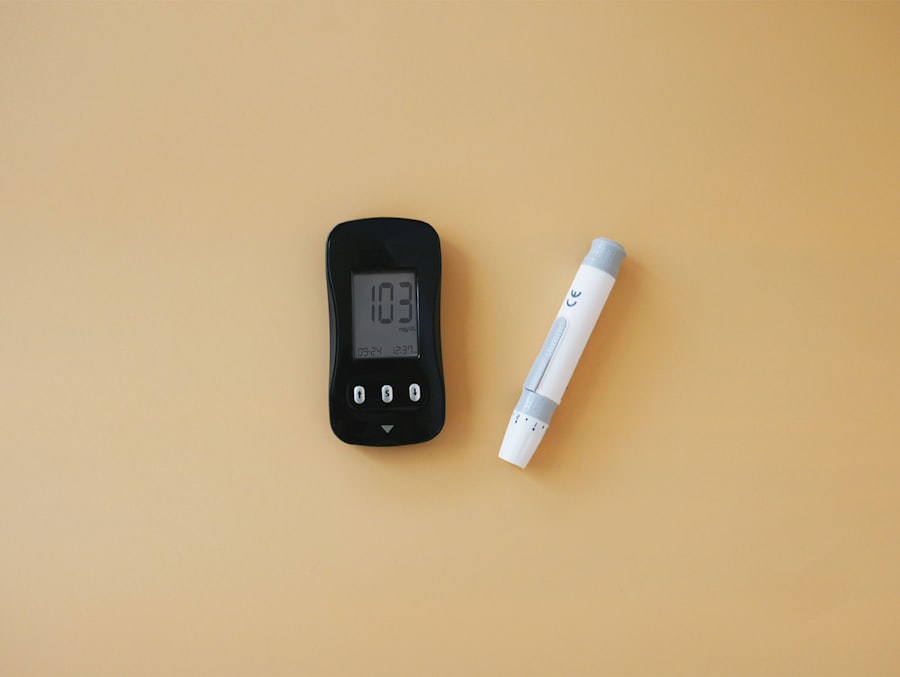
Creating a healthy meal plan tailored to your needs is a vital step in managing diabetes without medication. Start by assessing your current eating habits and identifying areas for improvement. You might consider consulting with a registered dietitian who specializes in diabetes management to help you design a meal plan that suits your lifestyle and preferences.
A well-structured meal plan should include a variety of foods that provide essential nutrients while keeping your blood sugar levels stable. When planning your meals, focus on portion control and balance. Aim to fill half your plate with non-starchy vegetables, one-quarter with lean protein, and one-quarter with whole grains or healthy carbohydrates.
This approach not only helps regulate blood sugar but also ensures you’re getting the nutrients your body needs. Additionally, consider meal prepping to make healthy eating more convenient during busy days. By having nutritious meals ready to go, you’ll be less likely to reach for unhealthy options when hunger strikes.
Incorporating Regular Physical Activity into Your Routine
Incorporating regular physical activity into your daily routine is essential for managing diabetes effectively. You don’t need to engage in high-intensity workouts to reap the benefits; even moderate activities can make a significant difference. Aim for at least 150 minutes of moderate aerobic exercise each week, such as brisk walking or swimming.
You can break this down into smaller sessions throughout the week to make it more manageable. In addition to aerobic exercise, consider adding strength training to your routine at least twice a week. Strength training helps build muscle mass, which can improve insulin sensitivity and aid in blood sugar control.
Activities like weight lifting or bodyweight exercises can be effective and can be done at home or in a gym setting. Remember to listen to your body and choose activities that you enjoy; this will help you stay motivated and committed to your fitness journey.
Monitoring Blood Sugar Levels and Making Lifestyle Adjustments
| Management Strategy | Description | Key Metrics | Recommended Targets |
|---|---|---|---|
| Dietary Changes | Adopt a balanced diet rich in fiber, low in refined sugars and carbohydrates. | Carbohydrate intake, Glycemic Index of foods | Carbohydrates: 45-60% of daily calories; Glycemic Index: Low (55 or less) |
| Regular Physical Activity | Engage in aerobic and resistance exercises to improve insulin sensitivity. | Minutes of exercise per week, Blood glucose levels | 150 minutes moderate exercise/week; Fasting glucose: 80-130 mg/dL |
| Weight Management | Maintain a healthy weight to reduce insulin resistance. | Body Mass Index (BMI), Waist circumference | BMI: 18.5-24.9; Waist: <40 inches (men), <35 inches (women) |
| Stress Reduction | Use relaxation techniques to lower stress-induced blood sugar spikes. | Stress levels, Cortisol levels | Low perceived stress; Cortisol within normal range |
| Regular Monitoring | Track blood glucose levels to adjust lifestyle accordingly. | Fasting blood glucose, HbA1c | Fasting glucose: 80-130 mg/dL; HbA1c: <7% |
| Sleep Hygiene | Ensure adequate and quality sleep to support metabolic health. | Hours of sleep, Sleep quality | 7-9 hours/night; Good sleep quality |
Monitoring your blood sugar levels is a critical aspect of managing diabetes without medication. Regularly checking your glucose levels allows you to understand how different foods, activities, and stressors affect your body. You may find it helpful to keep a log of your readings alongside notes about what you ate or how active you were that day.
This information can provide valuable insights into patterns that may emerge over time. As you monitor your blood sugar levels, be prepared to make lifestyle adjustments as needed. If you notice consistent spikes or drops in your glucose levels, consider revisiting your meal plan or exercise routine.
It’s essential to remain flexible and open to change as you learn more about how your body responds to different factors. By actively engaging in this process, you empower yourself to take control of your diabetes management.
Stress Management and its Role in Diabetes Management
Stress can have a profound impact on blood sugar levels, making stress management an essential component of diabetes care. When you experience stress, your body releases hormones like cortisol and adrenaline, which can lead to increased blood sugar levels. Therefore, finding effective ways to manage stress is crucial for maintaining stable glucose levels.
You might explore various stress-reduction techniques such as mindfulness meditation, deep breathing exercises, or yoga. These practices can help calm your mind and reduce the physiological effects of stress on your body. Additionally, engaging in hobbies or spending time with loved ones can provide emotional support and serve as a healthy distraction from daily stressors.
By prioritizing stress management, you create a more balanced environment for yourself, which can positively influence your overall health.
Seeking Support and Resources for Managing Diabetes Without Medication
Navigating diabetes management can be challenging, but you don’t have to do it alone. Seeking support from healthcare professionals, support groups, or online communities can provide valuable resources and encouragement along the way. Connecting with others who share similar experiences can help alleviate feelings of isolation and provide practical tips for managing diabetes without medication.
Consider reaching out to a certified diabetes educator who can offer personalized guidance tailored to your specific needs. They can help you set realistic goals and develop strategies for overcoming obstacles you may encounter on your journey. Additionally, many organizations offer educational resources, workshops, and online forums where you can learn more about diabetes management and connect with others facing similar challenges.
Conclusion and Taking Control of Your Diabetes Management
In conclusion, managing diabetes without medication is entirely possible with the right approach and mindset. By focusing on diet, exercise, stress management, and regular monitoring of blood sugar levels, you can take control of your health and lead a fulfilling life. Remember that this journey is unique to you; what works for one person may not work for another.
As you embark on this path toward better health, be patient with yourself and celebrate small victories along the way. Each positive change you make contributes to better diabetes management and overall well-being. With determination and the right resources at your disposal, you have the ability to thrive while managing diabetes effectively without medication.
Embrace this opportunity for growth and empowerment as you take charge of your health journey.