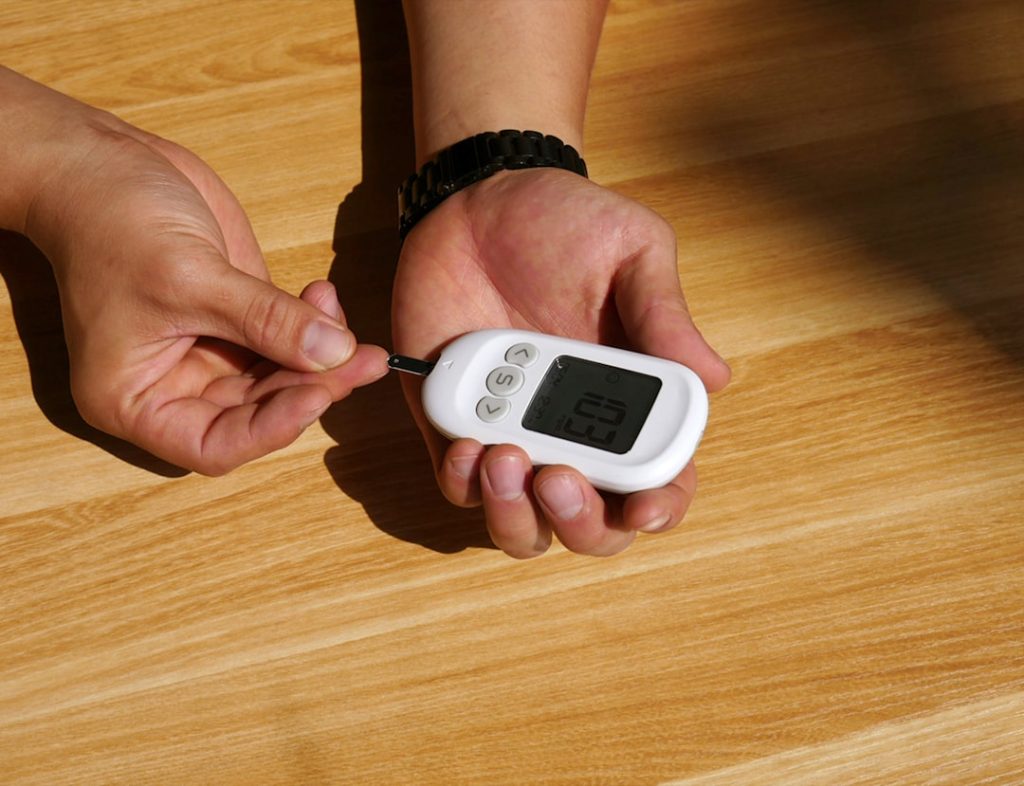
When you engage in physical activity, your body undergoes a series of complex changes that can significantly impact your blood sugar levels. Exercise increases your muscles’ demand for glucose, which is the primary source of energy during physical exertion. As you move, your body becomes more efficient at using insulin, the hormone responsible for regulating blood sugar.
This means that regular exercise can lead to improved insulin sensitivity, allowing your body to manage glucose levels more effectively. Understanding this relationship is crucial, especially if you are managing diabetes or prediabetes. Moreover, the type and intensity of exercise you choose can influence how your blood sugar responds.
Aerobic activities, such as running or cycling, tend to lower blood sugar levels by promoting glucose uptake by the muscles. On the other hand, high-intensity interval training (HIIT) can cause a temporary spike in blood sugar due to the release of stress hormones like adrenaline. This dual effect highlights the importance of tailoring your exercise routine to your individual needs and health goals.
By grasping how exercise interacts with your blood sugar, you can make informed decisions that support your overall well-being.
Key Takeaways
- Exercise impacts blood sugar levels, requiring careful management before, during, and after activity.
- Proper pre-exercise preparation helps prevent blood sugar spikes or drops.
- Monitoring blood sugar and adjusting insulin or medications is crucial for safe exercise.
- Choosing suitable exercise types and maintaining hydration support effective blood sugar control.
- Collaborating with healthcare professionals ensures a personalized and safe exercise plan.
Pre-Exercise Preparation for Managing Blood Sugar
Before you embark on any exercise routine, it’s essential to prepare adequately to manage your blood sugar levels effectively. Start by checking your blood sugar before exercising. If your levels are too low, you may need to consume a small snack rich in carbohydrates to prevent hypoglycemia during your workout.
Conversely, if your blood sugar is elevated, you might want to consider adjusting your exercise intensity or duration to avoid further spikes. In addition to monitoring your blood sugar, consider the timing of your workouts. Exercising at consistent times each day can help stabilize your blood sugar levels.
If you take insulin or other medications, consult with your healthcare provider about how to adjust your dosages based on your exercise schedule. Proper pre-exercise preparation not only enhances your performance but also ensures that you maintain optimal blood sugar control throughout your workout.
During-Exercise Strategies for Managing Blood Sugar

As you engage in physical activity, it’s vital to implement strategies that help maintain stable blood sugar levels. One effective approach is to monitor how your body responds during exercise. Keep an eye on any signs of low blood sugar, such as dizziness, fatigue, or excessive sweating.
If you notice these symptoms, it’s crucial to stop exercising and consume a quick source of glucose, such as glucose tablets or a sugary drink. Another strategy involves adjusting your exercise intensity based on your current blood sugar levels. If you start with elevated levels, consider incorporating moderate-intensity activities that allow for gradual glucose utilization without overwhelming your system.
Conversely, if you begin with lower levels, opt for gentler exercises like walking or stretching until you feel more stable. By being attuned to your body’s signals and making real-time adjustments, you can effectively manage your blood sugar throughout your workout.
Post-Exercise Recovery and Blood Sugar Management
After completing your workout, the recovery phase is just as important for managing blood sugar levels as the exercise itself. Your muscles continue to utilize glucose for several hours post-exercise, which can lead to a drop in blood sugar levels. To counteract this effect, it’s advisable to consume a balanced meal or snack that includes carbohydrates and protein within 30 minutes of finishing your workout.
This not only replenishes energy stores but also aids in muscle recovery. Additionally, be mindful of how different types of exercise affect your post-workout blood sugar levels. For instance, endurance activities may lead to prolonged drops in blood sugar, while strength training might cause temporary spikes due to hormonal responses.
Understanding these nuances allows you to tailor your post-exercise nutrition and recovery strategies accordingly. By prioritizing recovery and nutrition after exercise, you can maintain better control over your blood sugar levels.
Monitoring and Adjusting Insulin or Medication Dosages for Exercise
| Metric | Recommended Range/Value | Notes |
|---|---|---|
| Pre-Exercise Blood Sugar Level | 90-250 mg/dL | Check blood sugar before starting exercise; if below 90 mg/dL, consume carbs before starting |
| Blood Sugar During Exercise | Monitor every 30 minutes | Helps prevent hypoglycemia or hyperglycemia during prolonged activity |
| Carbohydrate Intake During Exercise | 15-30 grams per 30 minutes | Consume carbs if exercise lasts longer than 30 minutes to maintain blood sugar |
| Post-Exercise Blood Sugar Level | 70-180 mg/dL | Check to ensure blood sugar is stable after exercise |
| Hydration | Drink water regularly | Helps maintain blood volume and glucose transport |
| Insulin Adjustment | Consult healthcare provider | May need to reduce insulin dose before exercise to avoid hypoglycemia |
For those managing diabetes with insulin or other medications, understanding how to adjust dosages around exercise is crucial for maintaining stable blood sugar levels. Before engaging in physical activity, consult with your healthcare provider about how much insulin you should take based on the type and intensity of exercise planned. It’s common for individuals to require less insulin on days when they are active compared to sedentary days.
During exercise, it’s essential to monitor your blood sugar closely and be prepared to make adjustments as needed. If you find that your levels are dropping too low during workouts, you may need to reduce your insulin dosage or increase carbohydrate intake before exercising. Conversely, if you experience elevated blood sugar levels post-exercise, it may indicate that you need to adjust your medication regimen accordingly.
Regular communication with your healthcare team will help ensure that you are making informed decisions about insulin management in relation to physical activity.
Choosing the Right Types of Exercise for Blood Sugar Control
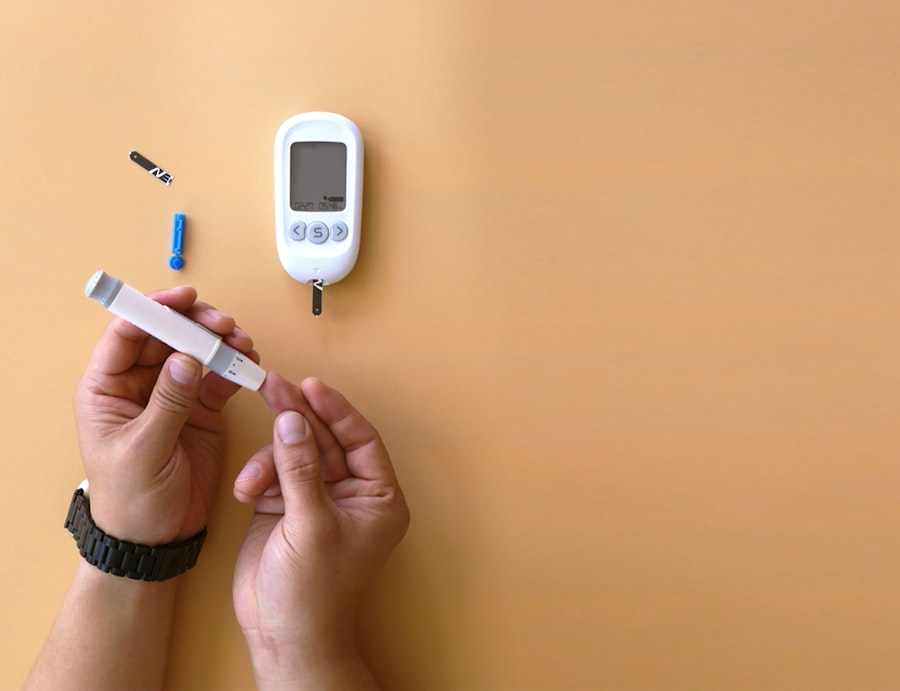
Selecting the right types of exercise is fundamental for effective blood sugar management. Aerobic exercises such as walking, swimming, and cycling are excellent choices for improving cardiovascular health and enhancing insulin sensitivity. These activities promote steady glucose utilization and can help lower overall blood sugar levels when performed regularly.
Incorporating strength training into your routine is equally important. Resistance exercises help build muscle mass, which can improve glucose uptake and storage in the body. Aim for a balanced approach that includes both aerobic and strength training exercises throughout the week.
Additionally, consider activities that you enjoy; finding pleasure in movement will encourage consistency and long-term adherence to an active lifestyle.
Hydration and Blood Sugar Management During Exercise
Staying hydrated is a critical component of managing blood sugar levels during exercise. Dehydration can lead to elevated blood sugar levels as it affects kidney function and insulin sensitivity. Therefore, it’s essential to drink water before, during, and after your workouts to maintain optimal hydration status.
When exercising for extended periods or in hot conditions, consider electrolyte-rich beverages that can help replenish lost minerals while keeping your blood sugar stable. However, be cautious with sports drinks that contain high amounts of sugar; they can lead to spikes in blood glucose levels if consumed excessively. By prioritizing hydration and making informed beverage choices during exercise, you can support both performance and blood sugar management.
Working with a Healthcare Professional to Develop a Personalized Exercise Plan
Creating a personalized exercise plan tailored to your specific needs is vital for effective blood sugar management. Collaborating with a healthcare professional—such as a doctor, diabetes educator, or registered dietitian—can provide valuable insights into how best to structure your workouts based on your health status and fitness goals. During this process, be open about any challenges you face regarding exercise and blood sugar management.
Your healthcare provider can help identify potential barriers and suggest modifications that align with your lifestyle while ensuring safety during physical activity. Together, you can develop a comprehensive plan that includes appropriate types of exercise, frequency, intensity, and strategies for monitoring and adjusting medication as needed. This collaborative approach will empower you to take control of your health while enjoying the benefits of regular physical activity.
In conclusion, understanding the intricate relationship between exercise and blood sugar management is essential for anyone looking to improve their health outcomes. By preparing adequately before workouts, implementing strategies during exercise, focusing on recovery afterward, and working closely with healthcare professionals, you can create a sustainable routine that supports both physical fitness and optimal blood sugar control. Embracing this holistic approach will not only enhance your well-being but also empower you to lead a more active and fulfilling life.