
Blood sugar spikes occur when the glucose levels in your bloodstream rise significantly, often after consuming foods high in carbohydrates or sugars. These fluctuations can be particularly concerning for individuals with diabetes or those at risk of developing the condition. When you eat, your body breaks down carbohydrates into glucose, which is then released into your bloodstream.
If your body is unable to produce enough insulin or use it effectively, these spikes can lead to various health complications over time. Recognizing the signs of a blood sugar spike is crucial for managing your health. Symptoms may include increased thirst, frequent urination, fatigue, and blurred vision.
You might also experience headaches or difficulty concentrating. Understanding these symptoms can empower you to take proactive steps in managing your blood sugar levels. By being aware of what causes these spikes, you can make informed choices about your diet and lifestyle, ultimately leading to better overall health.
Key Takeaways
- Blood sugar spikes occur when glucose levels rise rapidly, requiring prompt management to prevent complications.
- Immediate actions like drinking water and light physical activity can help lower blood sugar quickly.
- Staying hydrated supports kidney function and aids in blood sugar regulation.
- Stress management techniques are important as stress can elevate blood sugar levels.
- Severe spikes may require medication or insulin, and medical assistance should be sought if levels become dangerously high.
Immediate Actions to Lower Blood Sugar
When you experience a blood sugar spike, it’s essential to act quickly to bring your levels back into a healthy range. One of the first steps you can take is to drink water. Hydration helps your kidneys flush out excess glucose through urine, which can help lower your blood sugar levels.
Aim to drink at least a glass of water as soon as you notice symptoms of a spike. This simple action can make a significant difference in how you feel and how quickly your body can stabilize. Another immediate action you can take is to engage in light physical activity.
Even a short walk can stimulate your muscles to use glucose for energy, thereby reducing the amount of sugar circulating in your bloodstream. If you’re at home or in a safe environment, consider doing some gentle stretches or household chores. These activities not only help lower blood sugar but also improve your mood and overall well-being.
Hydration and Blood Sugar Management
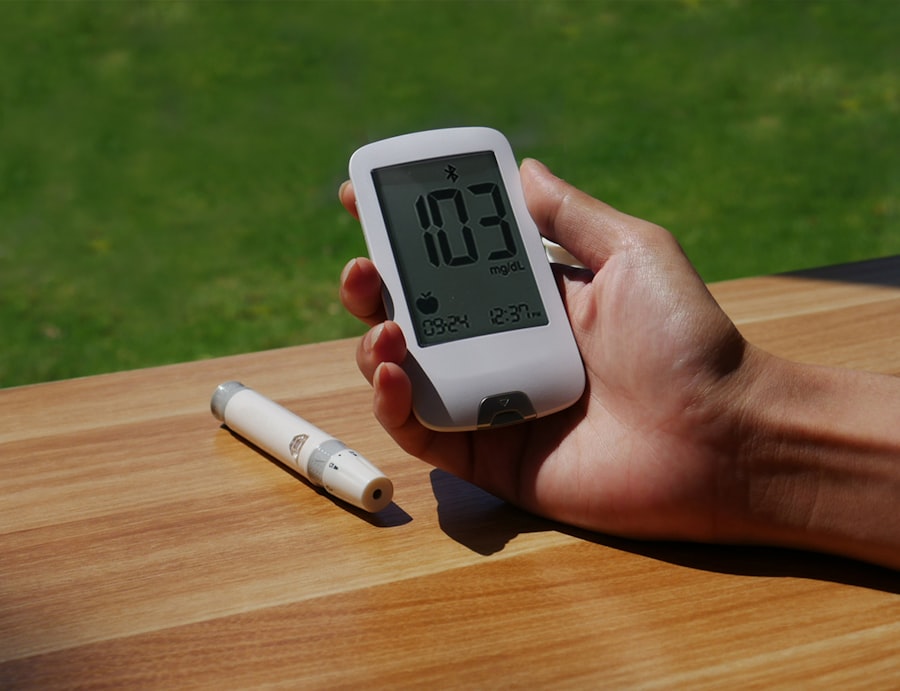
Staying hydrated is a fundamental aspect of blood sugar management that is often overlooked. Water plays a vital role in various bodily functions, including the regulation of blood sugar levels. When you are well-hydrated, your kidneys function more efficiently, helping to remove excess glucose from your bloodstream.
This is particularly important during periods of high blood sugar, as dehydration can exacerbate the situation. Incorporating hydration into your daily routine doesn’t have to be complicated. You can set reminders on your phone or use a water bottle with measurements to track your intake throughout the day.
Herbal teas and infused waters can also add variety and flavor to your hydration efforts. By making hydration a priority, you not only support your blood sugar management but also enhance your overall health and energy levels.
Physical Activity and Blood Sugar Control
Regular physical activity is one of the most effective ways to maintain stable blood sugar levels. When you exercise, your muscles utilize glucose for energy, which helps lower the amount of sugar in your bloodstream. Whether it’s a brisk walk, cycling, or dancing, finding an activity that you enjoy can make it easier to incorporate exercise into your daily routine.
Aim for at least 150 minutes of moderate-intensity exercise each week to reap the benefits for your blood sugar control. In addition to aerobic activities, strength training can also play a significant role in managing blood sugar levels. Building muscle mass increases your body’s sensitivity to insulin, allowing it to use glucose more effectively.
Consider incorporating resistance exercises into your weekly routine, such as weight lifting or bodyweight exercises like squats and push-ups. By combining different types of physical activity, you create a well-rounded approach that supports both your physical fitness and blood sugar management.
Dietary Changes for Lowering Blood Sugar
| Method | Description | Effectiveness | Time to Lower Blood Sugar | Notes |
|---|---|---|---|---|
| Physical Activity | Engaging in moderate exercise like walking to help muscles use glucose | High | 15-30 minutes | Avoid intense exercise if ketones are present |
| Hydration | Drinking water to help kidneys flush out excess sugar | Moderate | 30-60 minutes | Consistent hydration is important |
| Low-Glycemic Foods | Eating foods that do not spike blood sugar further | Moderate | 1-2 hours | Helps stabilize blood sugar after spike |
| Medication (Insulin or Oral) | Taking prescribed medication to reduce blood sugar | Very High | 15-60 minutes | Only as directed by healthcare provider |
| Stress Reduction | Practicing relaxation techniques to lower stress hormones | Low to Moderate | Varies | Helpful as part of overall management |
| Apple Cider Vinegar | Consuming diluted vinegar to improve insulin sensitivity | Low to Moderate | 30-60 minutes | Consult doctor before use |
Making dietary changes is one of the most impactful ways to lower blood sugar levels over time. Focus on incorporating whole foods into your meals, such as fruits, vegetables, whole grains, lean proteins, and healthy fats. These foods are not only nutrient-dense but also have a lower glycemic index, meaning they cause a slower rise in blood sugar compared to processed foods.
By prioritizing whole foods, you can create balanced meals that support stable blood sugar levels. It’s also essential to pay attention to portion sizes and meal timing. Eating smaller, more frequent meals throughout the day can help prevent large spikes in blood sugar.
Additionally, pairing carbohydrates with protein or healthy fats can slow down the absorption of glucose into your bloodstream. For example, instead of having a piece of fruit alone, consider pairing it with a handful of nuts or yogurt. These simple adjustments can make a significant difference in how your body responds to food.
Stress Management and Blood Sugar Levels
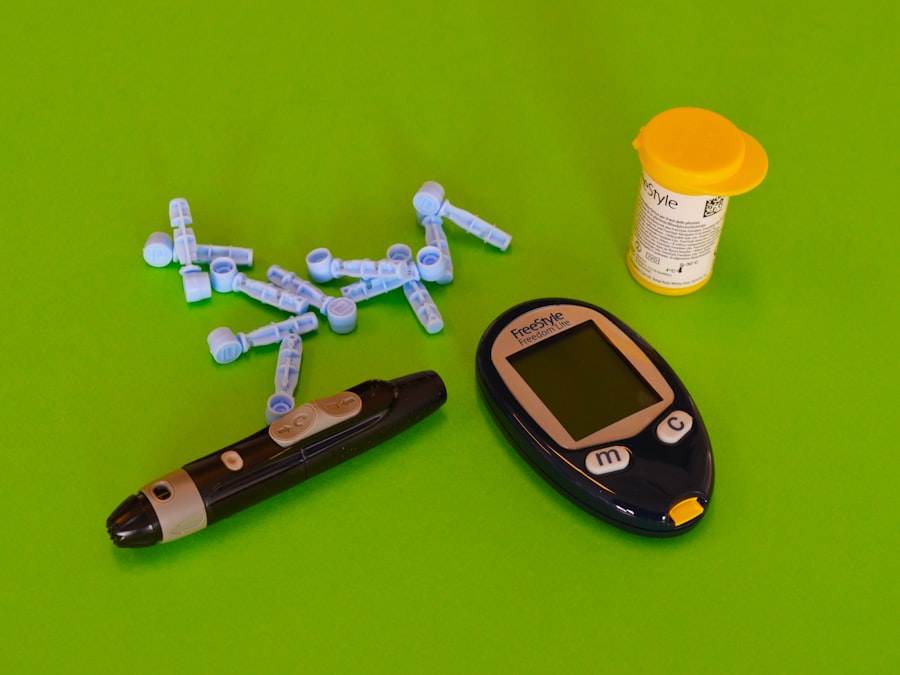
Stress has a profound impact on blood sugar levels that many people may not fully understand. When you experience stress, your body releases hormones like cortisol and adrenaline, which can lead to increased blood sugar levels as part of the fight-or-flight response. This means that managing stress effectively is crucial for maintaining stable blood sugar levels.
Incorporating relaxation techniques into your daily routine can help mitigate these effects. Consider practices such as mindfulness meditation, deep breathing exercises, or yoga to help manage stress levels. Even taking short breaks throughout the day to engage in activities that bring you joy can make a difference in how you feel overall.
By prioritizing mental well-being alongside physical health, you create a holistic approach that supports better blood sugar management and enhances your quality of life.
Medication and Insulin for Rapid Blood Sugar Reduction
For some individuals, lifestyle changes alone may not be sufficient to manage blood sugar spikes effectively. In such cases, medication or insulin therapy may be necessary for rapid reduction of high blood sugar levels. If you have been prescribed medication or insulin by your healthcare provider, it’s essential to understand how and when to use them effectively.
Always follow the guidance provided by your healthcare team regarding dosages and timing. If you find yourself frequently experiencing high blood sugar levels despite following a healthy lifestyle, it’s crucial to communicate this with your healthcare provider. They may need to adjust your treatment plan or explore additional options that better suit your needs.
Remember that managing blood sugar is a dynamic process that may require ongoing adjustments based on various factors such as diet, activity level, and stress.
Seeking Medical Assistance for Severe Spikes
In some instances, blood sugar spikes can become severe and require immediate medical attention. If you experience symptoms such as extreme thirst, confusion, difficulty breathing, or loss of consciousness, it’s vital to seek help right away. These symptoms could indicate a serious condition such as diabetic ketoacidosis or hyperglycemic hyperosmolar state, both of which require prompt medical intervention.
Don’t hesitate to reach out for help if you feel overwhelmed by managing your blood sugar levels on your own. Your healthcare provider can offer valuable support and resources tailored to your specific situation. Remember that you are not alone in this journey; there are professionals who are dedicated to helping you achieve better health outcomes and improve your quality of life.
In conclusion, understanding and managing blood sugar spikes involves a multifaceted approach that includes immediate actions, lifestyle changes, and medical support when necessary. By taking proactive steps in hydration, physical activity, diet, stress management, and medication adherence, you empower yourself to maintain stable blood sugar levels and enhance your overall well-being.