Diabetic Ketoacidosis (DKA) is a serious and potentially life-threatening condition that primarily affects individuals with diabetes, particularly those with type 1 diabetes. It occurs when the body starts breaking down fat at an accelerated rate, leading to the production of ketones, which are acidic byproducts. When ketone levels rise too high, they can cause the blood to become acidic, resulting in a range of health complications.
Understanding DKA is crucial for anyone living with diabetes, as it can develop rapidly and requires immediate attention. Common triggers for DKA include missed insulin doses, infections, illness, or stress. When the body lacks sufficient insulin, it cannot utilize glucose for energy, prompting it to turn to fat stores instead.
This metabolic shift can lead to a cascade of symptoms and complications if not addressed promptly. Understanding the mechanisms behind DKA helps emphasize the importance of effective diabetes management and early recognition of warning signs.
Key Takeaways
- Diabetic ketoacidosis (DKA) is a serious complication of diabetes caused by high blood sugar and lack of insulin.
- Regular monitoring of blood sugar levels is crucial to prevent and manage DKA.
- Proper insulin management helps maintain blood glucose within a safe range.
- Recognizing early symptoms of DKA, such as nausea and rapid breathing, allows for prompt treatment.
- Staying hydrated, eating a balanced diet, exercising regularly, and seeking timely medical care are key to managing diabetes effectively.
Monitoring Blood Sugar Levels
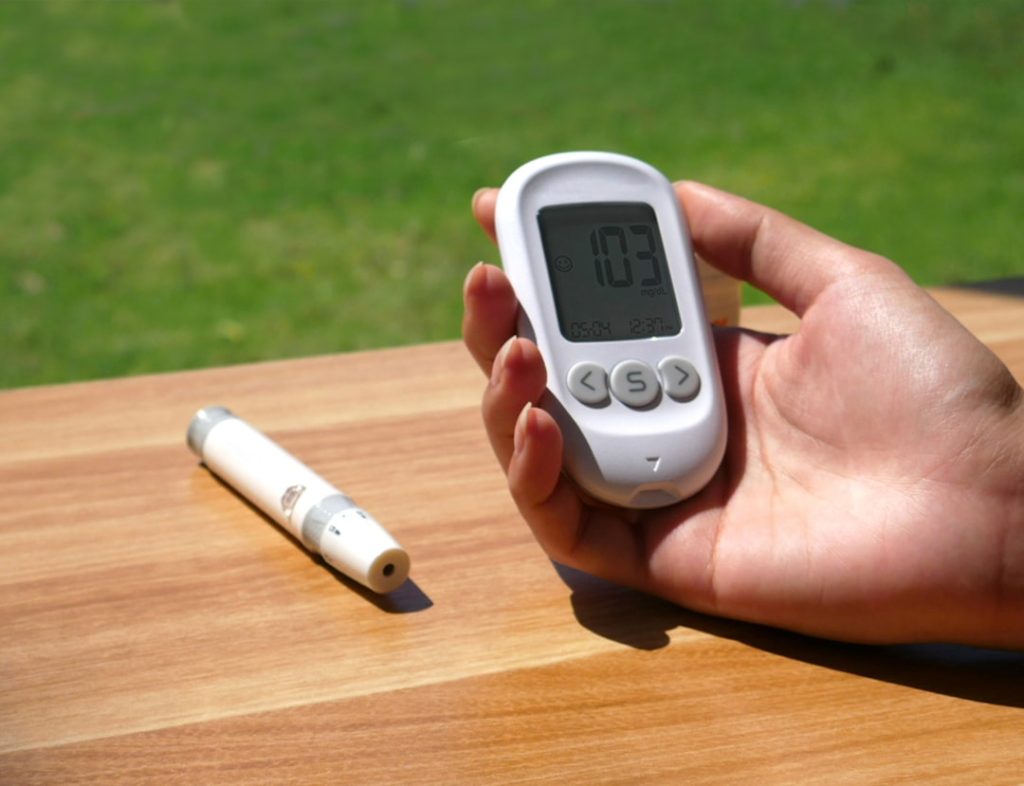
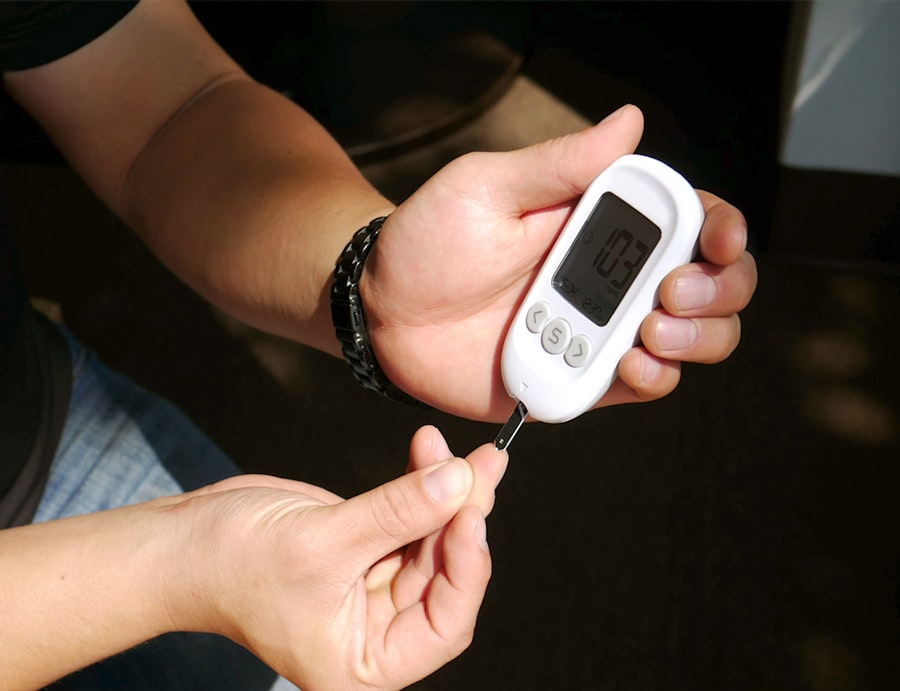
Regularly monitoring your blood sugar levels is a cornerstone of effective diabetes management. By keeping track of your glucose levels, you can make informed decisions about your diet, activity level, and insulin administration. You might find that using a continuous glucose monitor (CGM) or traditional blood glucose meter helps you stay on top of your readings.
These tools provide valuable insights into how your body responds to various factors, allowing you to adjust your management strategies accordingly. In addition to checking your blood sugar levels throughout the day, it’s essential to understand the target ranges for your specific situation. Your healthcare provider can help you establish these goals based on your age, activity level, and overall health.
By consistently monitoring your levels and recognizing patterns, you can identify potential issues before they escalate into more serious problems like DKThis proactive approach empowers you to take control of your diabetes management and maintain a healthier lifestyle.
Proper Insulin Management
Effective insulin management is vital for preventing complications such as DKInsulin therapy helps regulate blood sugar levels by facilitating the uptake of glucose into cells for energy. You may be using multiple daily injections or an insulin pump, depending on your individual needs and preferences. Regardless of the method, understanding how to administer insulin correctly and adjust dosages based on your blood sugar readings is crucial.
You should also be aware of the different types of insulin available and how they work in your body. Rapid-acting insulins are typically used to manage spikes in blood sugar after meals, while long-acting insulins provide a steady release of insulin throughout the day. By learning how to balance these different types of insulin and timing them appropriately, you can significantly reduce the risk of developing DKRegular communication with your healthcare team can help you fine-tune your insulin regimen and ensure that it meets your evolving needs.
Recognizing Symptoms of Diabetic Ketoacidosis
Being able to recognize the symptoms of DKA is essential for timely intervention. Early signs often include excessive thirst, frequent urination, fatigue, and nausea. As the condition progresses, you may experience abdominal pain, difficulty breathing, fruity-smelling breath, or confusion.
Understanding these symptoms can help you act quickly if you or someone you know begins to exhibit them. It’s important to remember that DKA can develop rapidly, sometimes within just a few hours. Therefore, staying vigilant about any changes in your body is crucial.
If you notice any combination of these symptoms, don’t hesitate to check your blood sugar levels and seek medical advice if necessary. Being proactive in recognizing these warning signs can make a significant difference in preventing severe complications associated with DKA.
Staying Hydrated
| Preventive Measure | Description | Recommended Frequency | Key Metrics to Monitor |
|---|---|---|---|
| Regular Blood Glucose Monitoring | Check blood sugar levels to maintain within target range. | Multiple times daily (as advised by healthcare provider) | Blood glucose: 80-130 mg/dL before meals |
| Ketone Testing | Test urine or blood for ketones, especially during illness or high blood sugar. | When blood glucose > 240 mg/dL or during illness | Ketone levels: Negative or trace |
| Adherence to Insulin Therapy | Take insulin as prescribed to prevent insulin deficiency. | Daily as prescribed | Insulin dosage adherence: 100% |
| Stay Hydrated | Drink plenty of fluids to prevent dehydration. | At least 8 cups (2 liters) daily | Hydration status: Normal urine output |
| Manage Illness Promptly | Seek medical advice early during infections or other illnesses. | As needed | Symptom monitoring: Fever, nausea, vomiting |
| Educate on Sick Day Rules | Follow specific guidelines for insulin and food intake during illness. | Reviewed annually or as needed | Patient knowledge score: High |
| Regular Medical Check-ups | Routine visits to healthcare provider for diabetes management. | Every 3-6 months | HbA1c target: <7% |
Hydration plays a critical role in managing diabetes and preventing complications like DKWhen blood sugar levels are elevated, your body tends to lose more fluids through increased urination. This loss can lead to dehydration, which exacerbates the risk of developing DKTherefore, it’s essential to prioritize hydration by drinking plenty of water throughout the day. You might find it helpful to set reminders for yourself to drink water regularly or carry a water bottle with you wherever you go.
Additionally, consider incorporating hydrating foods into your diet, such as fruits and vegetables with high water content. Staying well-hydrated not only helps maintain optimal blood sugar levels but also supports overall health and well-being.
Eating a Balanced Diet
A balanced diet is fundamental for managing diabetes effectively and reducing the risk of complications like DKYou should focus on consuming a variety of nutrient-dense foods that provide essential vitamins and minerals while keeping your blood sugar levels stable. This includes whole grains, lean proteins, healthy fats, fruits, and vegetables. Understanding carbohydrate counting can also be beneficial in managing your diet.
By knowing how many carbohydrates are in the foods you eat, you can better estimate your insulin needs and avoid spikes in blood sugar levels. Meal planning can be an effective strategy for ensuring that you maintain a balanced diet while accommodating your lifestyle and preferences. By making conscious food choices, you can significantly improve your overall health and reduce the risk of developing DKA.
Regular Exercise
Incorporating regular physical activity into your routine is another key component of diabetes management that can help prevent DKExercise helps improve insulin sensitivity, allowing your body to use glucose more effectively for energy. Whether it’s walking, swimming, cycling, or engaging in strength training, finding an activity you enjoy can make it easier to stay consistent. Before starting any new exercise regimen, it’s essential to consult with your healthcare provider to ensure that it aligns with your individual health needs.
You may need to monitor your blood sugar levels before and after exercise to understand how different activities affect your body. By making exercise a regular part of your life, you not only enhance your physical health but also contribute positively to your mental well-being.
Seeking Medical Attention
Finally, knowing when to seek medical attention is crucial for anyone living with diabetes. If you experience symptoms of DKA or notice significant changes in your health status—such as persistent high blood sugar levels despite taking insulin—it’s important to reach out for help immediately. Early intervention can prevent complications and ensure that you receive the appropriate care.
Your healthcare team is there to support you in managing your diabetes effectively. Don’t hesitate to communicate any concerns or questions you may have about your condition or treatment plan. By fostering open communication with your medical professionals and being proactive about seeking help when needed, you can take charge of your health and reduce the risk of serious complications like DKA.
In conclusion, understanding diabetic ketoacidosis and its prevention strategies is essential for anyone living with diabetes. By monitoring blood sugar levels diligently, managing insulin effectively, recognizing symptoms early on, staying hydrated, eating a balanced diet, engaging in regular exercise, and knowing when to seek medical attention, you empower yourself to lead a healthier life while minimizing the risks associated with this serious condition.