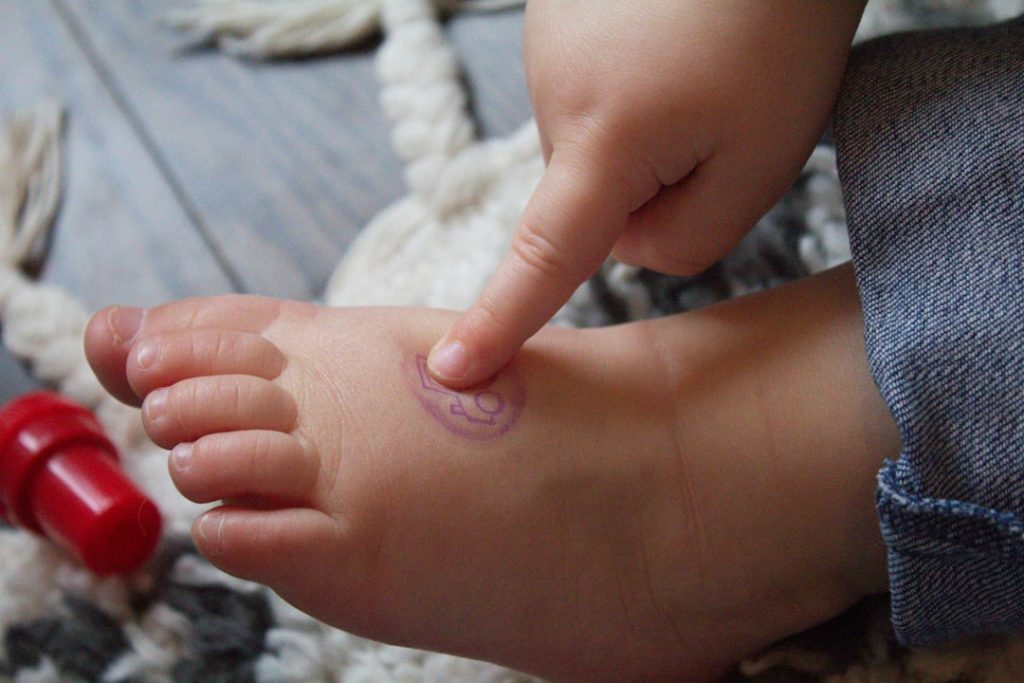
As a person living with diabetes, you may already be aware of the myriad complications that can arise from this condition. One of the most critical yet often overlooked aspects is foot care. The importance of diabetic foot care cannot be overstated, as diabetes can lead to nerve damage and poor circulation, making your feet particularly vulnerable to injuries and infections.
When you neglect foot care, even minor issues can escalate into serious complications, including ulcers and, in severe cases, amputations. Therefore, prioritizing foot health is essential for maintaining your overall well-being and quality of life. Moreover, proper foot care can significantly enhance your mobility and independence.
When you take the time to care for your feet, you are not only preventing potential health issues but also ensuring that you can continue to engage in daily activities without discomfort or pain. By being proactive about your foot health, you empower yourself to live a more active lifestyle, which is crucial for managing diabetes effectively. Remember, your feet are the foundation of your mobility; taking care of them is an investment in your future.
Key Takeaways
- Daily foot care and proper footwear are crucial to prevent complications in diabetic patients.
- Regular foot exams help detect early signs of infections and injuries.
- Preventing foot injuries and infections reduces the risk of serious complications like ulcers.
- Recognizing symptoms of neuropathy and foot problems enables timely management.
- Seeking professional help promptly is essential for effective treatment and prevention of severe issues.
Daily Foot Care Routine for Diabetics
Establishing a daily foot care routine is vital for anyone with diabetes. You should begin by inspecting your feet every day for any signs of cuts, blisters, or redness. This simple practice can help you catch potential problems early before they develop into more serious issues.
Make it a habit to check between your toes and the soles of your feet, as these areas are often neglected but can harbor hidden injuries. If you notice anything unusual, don’t hesitate to consult a healthcare professional. In addition to daily inspections, maintaining proper hygiene is crucial.
You should wash your feet daily with mild soap and warm water, ensuring that you dry them thoroughly afterward, especially between the toes. Moisturizing your feet can also help prevent dry skin and cracking, but be cautious not to apply lotion between the toes, as this can create a moist environment conducive to fungal infections. By incorporating these practices into your daily routine, you can significantly reduce the risk of foot complications associated with diabetes.
Choosing Proper Footwear for Diabetics

Selecting the right footwear is another essential component of diabetic foot care. You should opt for shoes that provide ample support and cushioning while allowing for adequate ventilation. Avoid tight-fitting shoes that can cause friction and lead to blisters or sores.
Instead, look for shoes made from breathable materials that accommodate any foot deformities you may have developed due to diabetes. It’s also wise to choose shoes with a wide toe box to prevent unnecessary pressure on your toes. Additionally, consider investing in custom orthotics if you experience foot pain or have specific foot conditions.
These inserts can provide additional support and help distribute pressure evenly across your feet. When trying on new shoes, make sure to do so later in the day when your feet are slightly swollen; this will give you a better idea of how they will feel during regular wear. Remember that the right footwear can make a significant difference in your comfort and overall foot health.
Tips for Preventing Foot Injuries and Infections
Preventing foot injuries and infections is paramount for anyone with diabetes. One of the most effective strategies is to maintain a consistent routine of foot care and inspection. You should also be mindful of your environment; avoid walking barefoot, even at home, as this increases the risk of cuts and scrapes that can lead to infections.
Wearing socks made from moisture-wicking materials can help keep your feet dry and reduce the likelihood of fungal infections. Another important tip is to keep your toenails trimmed properly. Long or ingrown toenails can cause discomfort and lead to injuries if not addressed promptly.
Use proper nail clippers and cut straight across to avoid ingrown nails. If you find it challenging to manage your toenails due to mobility issues or vision problems, consider seeking assistance from a podiatrist or a trained caregiver. By taking these preventive measures seriously, you can significantly lower your risk of developing foot-related complications.
Recognizing the Signs of Foot Problems in Diabetics
| Tip | Description | Frequency | Importance Level |
|---|---|---|---|
| Daily Foot Inspection | Check feet every day for cuts, blisters, redness, swelling, or nail problems. | Daily | High |
| Proper Foot Hygiene | Wash feet daily with lukewarm water and mild soap; dry thoroughly, especially between toes. | Daily | High |
| Moisturize Feet | Apply moisturizer to prevent dry, cracked skin but avoid areas between toes. | Daily | Medium |
| Wear Proper Footwear | Use well-fitting shoes that protect feet and avoid walking barefoot. | Every day | High |
| Regular Nail Care | Trim toenails straight across and file edges to prevent ingrown nails. | Every 1-2 weeks | Medium |
| Manage Blood Sugar | Keep blood glucose levels within target range to promote foot health. | Ongoing | High |
| Annual Foot Exam | Have a healthcare professional examine feet for neuropathy and circulation issues. | Yearly | High |
| Avoid Smoking | Smoking impairs circulation and delays wound healing. | Ongoing | High |
| Promptly Treat Foot Problems | Seek medical care immediately for cuts, sores, or infections. | As needed | High |
Being vigilant about recognizing the signs of foot problems is crucial for anyone managing diabetes. You should be aware of symptoms such as persistent redness, swelling, or warmth in any part of your foot. These could indicate an infection or inflammation that requires immediate attention.
Additionally, pay attention to any changes in sensation; numbness or tingling could signal nerve damage, which is common in diabetics. Another sign to watch for is the development of calluses or corns, which can indicate areas of excessive pressure on your feet. If you notice any unusual changes in the shape or color of your feet or toes, it’s essential to consult a healthcare professional promptly.
Early detection and intervention can make a significant difference in preventing more severe complications down the line.
The Importance of Regular Foot Exams for Diabetics
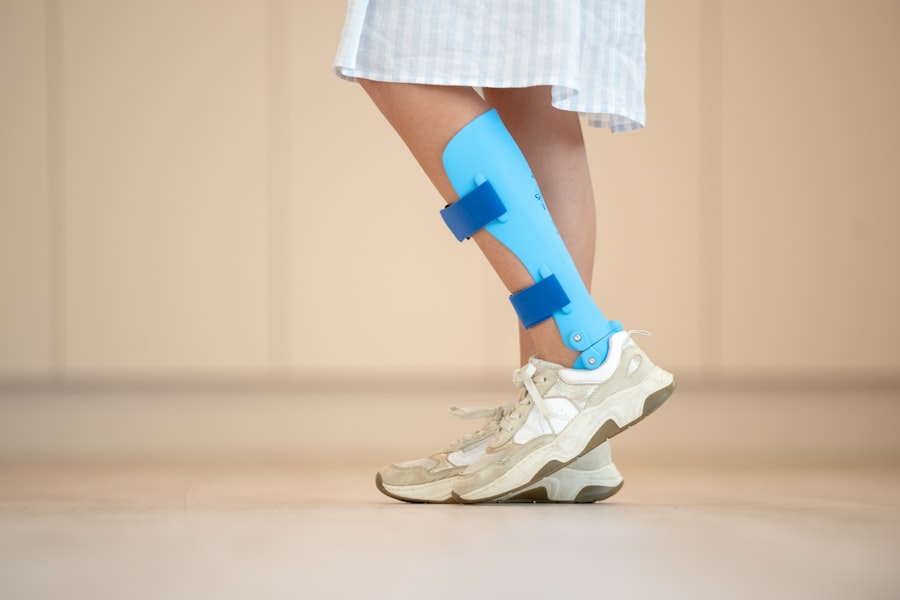
Regular foot exams are an integral part of managing diabetes effectively. You should schedule routine check-ups with a podiatrist at least once a year or more frequently if you have existing foot problems or risk factors such as neuropathy or poor circulation. During these exams, a healthcare professional will assess the condition of your feet and identify any potential issues before they escalate into serious complications.
In addition to professional exams, self-exams are equally important. You should take the time to examine your feet regularly and become familiar with what is normal for you. This familiarity will help you notice any changes more quickly and seek help when necessary.
By prioritizing regular foot exams—both professional and self-administered—you are taking proactive steps toward safeguarding your foot health.
Managing Foot Pain and Neuropathy in Diabetics
Foot pain and neuropathy are common challenges faced by many individuals with diabetes. If you experience persistent pain or discomfort in your feet, it’s essential to address these issues promptly. You may find relief through various methods such as over-the-counter pain relievers or topical treatments designed for neuropathic pain.
However, it’s crucial to consult with a healthcare provider before starting any new treatment regimen. In addition to medication, lifestyle changes can also play a significant role in managing foot pain and neuropathy. Regular physical activity can improve circulation and reduce discomfort over time.
You should also consider incorporating stretching exercises into your routine to enhance flexibility and alleviate tension in your feet. By taking a comprehensive approach to managing foot pain and neuropathy, you can improve your quality of life while living with diabetes.
When to Seek Professional Help for Foot Issues
Knowing when to seek professional help for foot issues is vital for anyone managing diabetes. If you notice any signs of infection—such as increased redness, swelling, or discharge—it’s essential to consult a healthcare provider immediately. Additionally, if you experience sudden changes in sensation or mobility in your feet, don’t hesitate to seek medical advice.
You should also reach out for professional help if you have difficulty managing foot pain or if home remedies do not provide relief. A podiatrist can offer specialized care tailored to your needs and may recommend treatments that are not available over-the-counter. Remember that timely intervention can prevent minor issues from escalating into more severe complications, so don’t wait too long to seek help when needed.
In conclusion, taking care of your feet is an essential aspect of managing diabetes effectively. By prioritizing daily foot care routines, choosing appropriate footwear, preventing injuries, recognizing signs of problems, scheduling regular exams, managing pain, and knowing when to seek professional help, you empower yourself to maintain optimal foot health. Your feet are not just a means of mobility; they are integral to your overall well-being and quality of life as you navigate the challenges of living with diabetes.