
When embarking on pregnancy, understanding potential risks is essential, particularly for those with pre-existing conditions such as diabetes. Pregnancy-related hormonal changes significantly impact blood sugar levels, necessitating careful monitoring. Individuals with gestational or pre-existing diabetes face increased risks of complications affecting both maternal and fetal health, including high blood pressure, preeclampsia, and higher cesarean delivery rates.
Uncontrolled blood glucose levels can seriously affect fetal development. Elevated glucose can cause macrosomia (excessive fetal growth), which increases delivery complication risks. Additionally, babies born to mothers with poorly managed blood sugar may develop hypoglycemia (low blood sugar) after birth.
Knowledge of these risks enables expectant mothers to take appropriate preventive measures and ensure safer pregnancy outcomes through proper health management.
Key Takeaways
- Managing blood sugar levels is crucial to reduce risks during pregnancy.
- Regular prenatal care helps detect and address potential complications early.
- Proper nutrition and exercise support both maternal and fetal health.
- Monitoring fetal health ensures timely intervention if problems arise.
- Awareness of long-term effects aids in planning postpartum care for mother and baby.
Managing Blood Sugar Levels
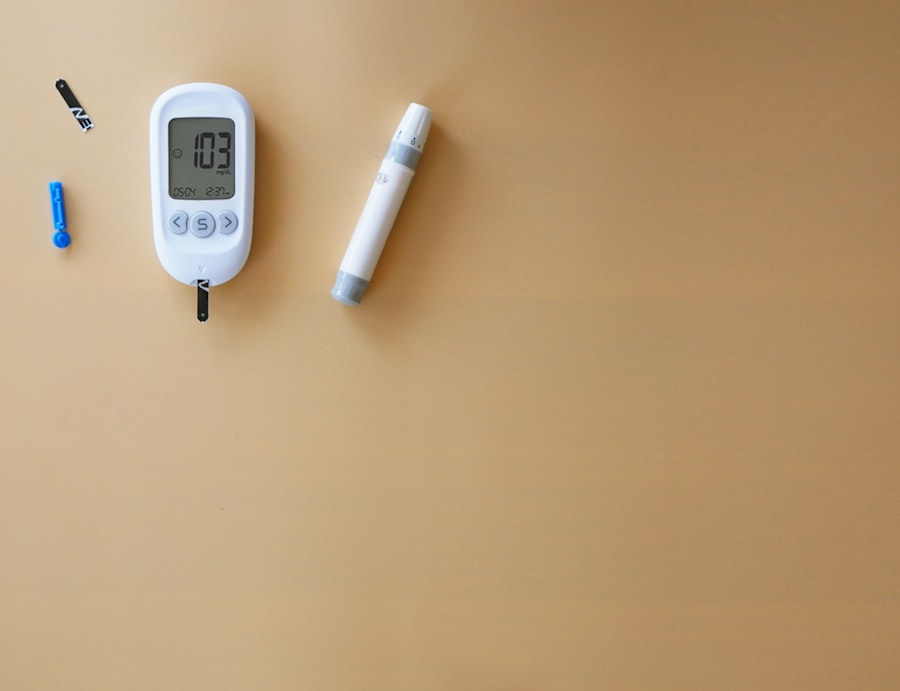
Managing your blood sugar levels during pregnancy is paramount for both your well-being and that of your baby. Regular monitoring is essential; you should check your blood sugar levels multiple times a day to ensure they remain within the target range set by your healthcare provider. This may involve keeping a detailed log of your readings, which can help you identify patterns and make necessary adjustments to your diet or medication.
In addition to monitoring, you’ll need to adopt a balanced diet tailored to your specific needs. This often includes focusing on whole grains, lean proteins, and plenty of fruits and vegetables while avoiding processed foods high in sugar and unhealthy fats. You may also need to work closely with a registered dietitian who specializes in prenatal nutrition to create a meal plan that supports stable blood sugar levels.
Remember, managing your blood sugar is not just about avoiding spikes; it’s also about maintaining consistent levels throughout the day.
Importance of Prenatal Care
Prenatal care is a cornerstone of a healthy pregnancy, especially when managing conditions like diabetes. Regular check-ups with your healthcare provider allow for close monitoring of both your health and the development of your baby. These visits are opportunities to discuss any concerns you may have, adjust treatment plans, and receive guidance on managing your condition effectively.
Your healthcare team will likely include obstetricians, endocrinologists, and nutritionists who can provide comprehensive support. Additionally, prenatal care often involves routine screenings and tests that can detect potential complications early on. For instance, ultrasounds can monitor fetal growth and development, while blood tests can assess your overall health and the effectiveness of your diabetes management plan.
Engaging in consistent prenatal care not only helps mitigate risks but also fosters a supportive environment where you can feel empowered throughout your pregnancy journey.
Potential Complications
As you navigate through pregnancy with diabetes, being aware of potential complications is crucial. One significant concern is the risk of preeclampsia, a condition characterized by high blood pressure and damage to other organ systems. This condition can pose serious risks for both you and your baby if left untreated.
Symptoms may include severe headaches, vision changes, and swelling in the hands and feet. Regular monitoring during prenatal visits can help catch these symptoms early. Another complication to be mindful of is the possibility of premature birth.
High blood sugar levels can lead to various issues that may necessitate an early delivery to protect both your health and that of your baby. Additionally, there’s an increased risk of stillbirth associated with poorly managed diabetes during pregnancy. Understanding these potential complications allows you to take proactive measures in collaboration with your healthcare team to minimize risks and ensure a healthier outcome.
Nutrition and Exercise
| Metric | Description | Typical Range/Value | Notes for Expectant Mothers |
|---|---|---|---|
| Blood Glucose Levels (Fasting) | Blood sugar level after fasting for at least 8 hours | 70-95 mg/dL | Maintaining levels within this range helps reduce risks to mother and baby |
| Blood Glucose Levels (1-hour post-meal) | Blood sugar level one hour after eating | Less than 140 mg/dL | Important to monitor to avoid spikes that can affect fetal development |
| HbA1c (Glycated Hemoglobin) | Average blood sugar over past 2-3 months | Less than 6.0% | Lower HbA1c reduces risk of complications during pregnancy |
| Gestational Diabetes Screening | Glucose challenge test typically done between 24-28 weeks | Blood glucose less than 140 mg/dL after 1 hour | Screening helps detect gestational diabetes early for management |
| Insulin Use | Medication to control blood sugar if diet and exercise are insufficient | Varies per individual | Safe during pregnancy; prescribed if needed to maintain glucose control |
| Weight Gain Recommendations | Healthy weight gain during pregnancy for diabetic mothers | Depends on pre-pregnancy BMI; generally 15-25 pounds | Helps manage blood sugar and supports fetal growth |
| Risk of Macrosomia | Baby’s birth weight over 8 pounds 13 ounces | Increased risk with uncontrolled diabetes | Monitoring and glucose control reduce risk of large birth weight |
| Preterm Birth Risk | Birth before 37 weeks gestation | Higher in diabetic pregnancies | Good glucose control and prenatal care help lower risk |
Nutrition plays a pivotal role in managing diabetes during pregnancy. You’ll want to focus on a well-rounded diet that stabilizes blood sugar levels while providing essential nutrients for both you and your growing baby. Incorporating complex carbohydrates, such as whole grains and legumes, can help maintain steady glucose levels.
Pairing these with healthy fats and proteins will not only keep you satisfied but also support fetal development. Exercise is another critical component of managing diabetes during pregnancy. Engaging in regular physical activity can help improve insulin sensitivity and lower blood sugar levels.
Activities like walking, swimming, or prenatal yoga can be beneficial; however, it’s essential to consult with your healthcare provider before starting any new exercise regimen. They can guide you on safe activities tailored to your specific situation, ensuring that you remain active while prioritizing safety for both you and your baby.
Monitoring Fetal Health

Monitoring fetal health is an integral part of managing a pregnancy complicated by diabetes. Regular ultrasounds can provide valuable insights into the growth and development of your baby, allowing healthcare providers to identify any potential issues early on. Non-stress tests may also be conducted to assess how well the baby responds to movements and contractions, providing reassurance about their well-being.
In addition to these tests, you may be advised to keep track of fetal movements as part of your daily routine. Noticing patterns in movement can help you identify any changes that might warrant further investigation. If you notice a decrease in activity or any unusual symptoms, it’s crucial to reach out to your healthcare provider immediately.
Staying vigilant about fetal health not only helps ensure a safer pregnancy but also fosters peace of mind as you prepare for the arrival of your little one.
Delivery and Postpartum Care
As you approach the delivery phase, having a well-thought-out birth plan becomes essential, especially when managing diabetes. Discussing your preferences with your healthcare team will help ensure that everyone is on the same page regarding pain management options, delivery methods, and any necessary interventions related to your diabetes management. Depending on your situation, a cesarean section may be recommended if there are concerns about the size of the baby or other complications.
Postpartum care is equally important as it involves monitoring both your recovery and the health of your newborn. After delivery, you’ll need to continue monitoring your blood sugar levels closely as they may fluctuate due to hormonal changes. Your healthcare provider will likely schedule follow-up appointments to assess how well you’re managing postpartum diabetes and provide guidance on transitioning back to pre-pregnancy care routines.
Long-term Effects on Mother and Baby
The long-term effects of managing diabetes during pregnancy can extend beyond the immediate postpartum period for both you and your baby. For mothers, there’s an increased risk of developing type 2 diabetes later in life if gestational diabetes was present during pregnancy. This underscores the importance of maintaining a healthy lifestyle post-delivery through balanced nutrition and regular exercise.
For babies born to mothers with diabetes, there may be long-term implications as well. Research indicates that children exposed to high blood sugar levels in utero may have an increased risk of obesity and metabolic disorders later in life. However, by prioritizing healthy habits from an early age—such as encouraging physical activity and balanced eating—you can help mitigate these risks and promote a healthier future for your child.
In conclusion, navigating pregnancy with diabetes requires careful management and proactive measures at every stage—from understanding risks and managing blood sugar levels to ensuring proper prenatal care and monitoring fetal health. By staying informed and working closely with your healthcare team, you can foster a healthier pregnancy experience for both yourself and your baby while laying the groundwork for long-term wellness beyond delivery.