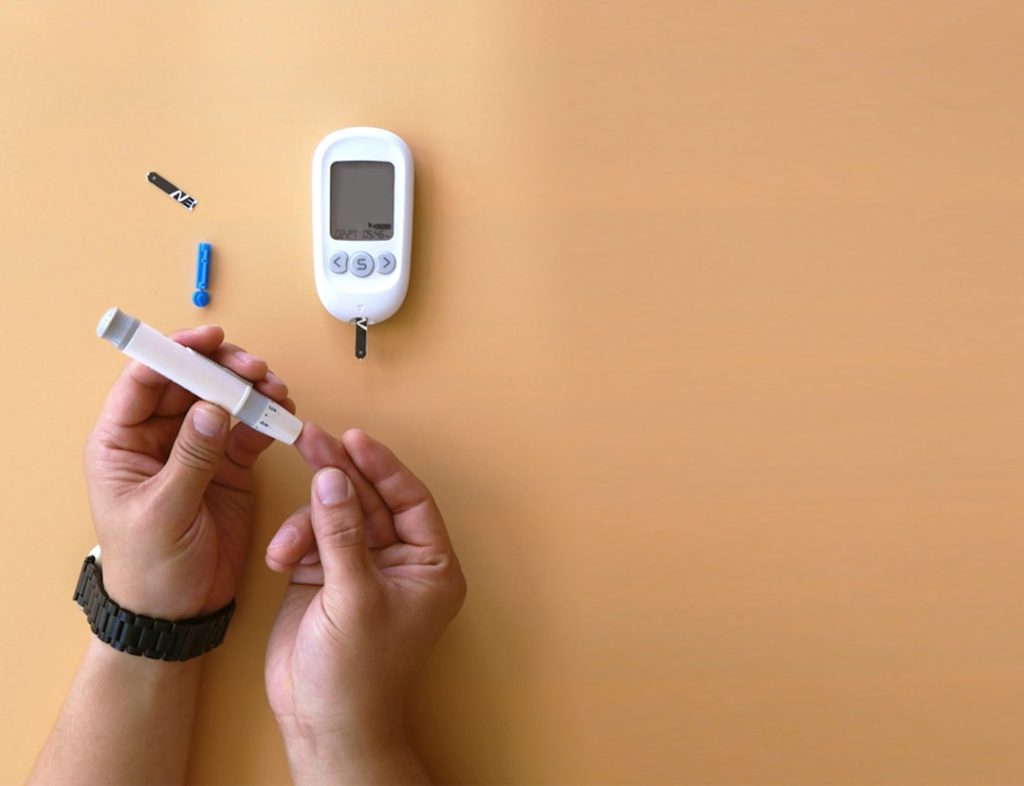
Diabetes and high blood pressure frequently occur together, creating significant health challenges. Diabetes is characterized by elevated blood glucose levels and can contribute to hypertension through several mechanisms. Insulin resistance, particularly common in type 2 diabetes, can increase blood pressure as the body’s reduced responsiveness to insulin leads to higher blood glucose levels, which may damage blood vessels and promote hypertension.
The coexistence of diabetes and high blood pressure compounds health risks. Patients with both conditions face significantly higher risks of cardiovascular disease, kidney dysfunction, and neuropathy. Understanding the bidirectional relationship between these conditions is essential for effective disease management.
Recognizing how each condition influences the other enables patients and healthcare providers to implement appropriate strategies to reduce complications and improve health outcomes.
Key Takeaways
- Diabetes and high blood pressure are closely linked, often coexisting and complicating each other’s management.
- High blood pressure can worsen diabetes control and increase the risk of complications.
- Lifestyle changes like diet, exercise, and stress management are crucial for managing both conditions.
- Medications may be necessary to control blood pressure effectively in diabetic patients.
- Regular monitoring and medical check-ups are essential to prevent complications and ensure proper management.
The Impact of High Blood Pressure on Diabetes Management
High blood pressure can complicate the management of diabetes in several ways. When your blood pressure is elevated, it can hinder your ability to maintain stable blood sugar levels. This is because high blood pressure can affect how your body processes insulin and glucose.
As a result, you may find it more challenging to achieve your target blood sugar levels, leading to potential fluctuations that can impact your overall health. Additionally, managing diabetes often involves a careful balance of diet, exercise, and medication. However, when high blood pressure is also a concern, you may need to make further adjustments to your lifestyle and treatment plan.
For instance, certain medications used to control blood sugar may interact with those prescribed for hypertension. This necessitates close communication with your healthcare provider to ensure that both conditions are managed effectively without compromising your health.
Managing High Blood Pressure with Diabetes: Lifestyle Changes

Making lifestyle changes is one of the most effective ways to manage both high blood pressure and diabetes. You have the power to influence your health through your daily choices. A balanced diet rich in whole grains, fruits, vegetables, lean proteins, and healthy fats can help regulate both blood sugar and blood pressure levels.
Reducing sodium intake is particularly important for managing hypertension; by being mindful of processed foods and opting for fresh ingredients, you can make significant strides in your health. Incorporating regular physical activity into your routine is another vital aspect of managing these conditions. Exercise not only helps control weight but also improves insulin sensitivity and lowers blood pressure.
Aim for at least 150 minutes of moderate aerobic activity each week, such as brisk walking or cycling. Additionally, stress management techniques like yoga or meditation can be beneficial. By prioritizing these lifestyle changes, you empower yourself to take control of your health and reduce the risks associated with diabetes and high blood pressure.
Medication Options for Controlling High Blood Pressure in Diabetic Patients
When lifestyle changes alone are insufficient to manage high blood pressure in diabetic patients, medication may become necessary. There are several classes of antihypertensive medications that are commonly prescribed for individuals with diabetes. Angiotensin-converting enzyme (ACE) inhibitors are often favored because they not only lower blood pressure but also provide kidney protection—a crucial consideration for those with diabetes.
Other options include angiotensin II receptor blockers (ARBs), calcium channel blockers, and diuretics. Each class of medication works differently, and your healthcare provider will consider various factors such as your overall health, existing medications, and specific needs when prescribing treatment. It’s essential to adhere to the prescribed regimen and communicate any side effects or concerns with your doctor to ensure optimal management of both conditions.
The Importance of Regular Monitoring and Check-ups for Diabetic Patients with High Blood Pressure
| Metric | Diabetes | High Blood Pressure (Hypertension) | Combined Impact |
|---|---|---|---|
| Prevalence (Adults, %) | 10.5% | 45% | Approximately 30% of people with diabetes also have hypertension |
| Risk Factors | Obesity, sedentary lifestyle, genetics, poor diet | Obesity, high salt intake, stress, genetics, sedentary lifestyle | Shared risk factors include obesity, poor diet, and lack of exercise |
| Common Symptoms | Increased thirst, frequent urination, fatigue | Often asymptomatic, headaches, dizziness | May increase risk of heart disease, kidney damage, and stroke |
| Complications | Heart disease, kidney failure, nerve damage, vision loss | Heart attack, stroke, kidney disease, vision problems | Higher risk of cardiovascular disease and kidney damage |
| Management Strategies | Blood sugar monitoring, medication, diet, exercise | Blood pressure monitoring, medication, diet, exercise | Lifestyle changes, medication adherence, regular monitoring |
| Target Blood Pressure | N/A | Below 130/80 mmHg (for most adults) | Stricter control recommended for people with diabetes |
| Target Blood Sugar (HbA1c) | Below 7% | N/A | Maintaining target levels reduces complications risk |
Regular monitoring and check-ups are vital components of managing diabetes and high blood pressure effectively. As a diabetic patient with hypertension, you should schedule routine appointments with your healthcare provider to assess both conditions. These visits allow for timely adjustments to your treatment plan based on your current health status and any changes in your symptoms.
Monitoring your blood pressure at home can also be beneficial. By keeping track of your readings regularly, you can identify patterns or fluctuations that may require attention. Additionally, routine blood tests to check your A1C levels will help you understand how well you are managing your diabetes over time.
This proactive approach not only helps in maintaining control over both conditions but also empowers you to take an active role in your health management.
Potential Complications of Uncontrolled High Blood Pressure in Diabetic Patients
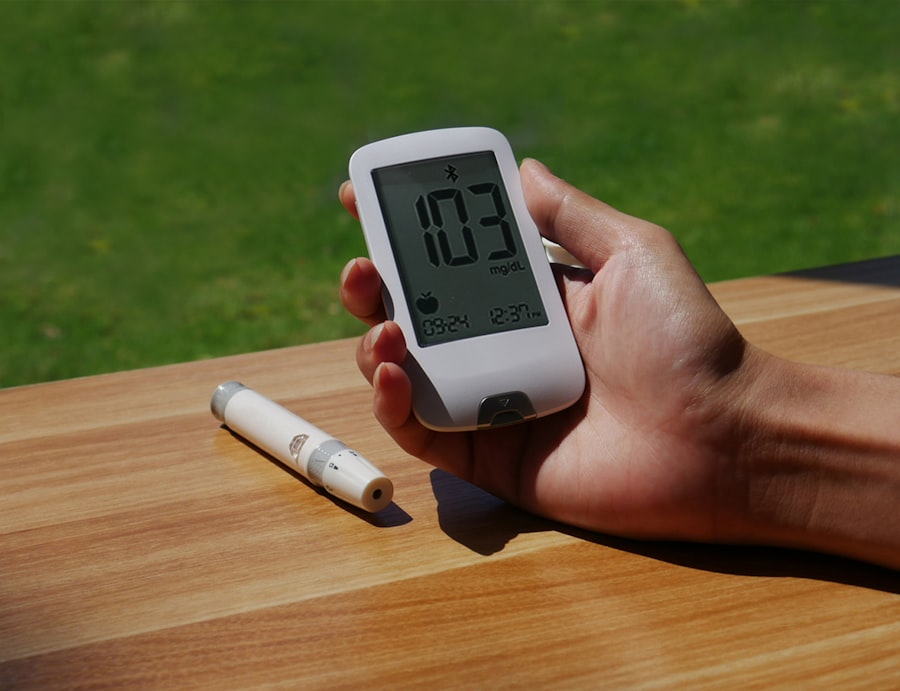
Uncontrolled high blood pressure poses significant risks for individuals with diabetes. One of the most concerning complications is cardiovascular disease; the combination of high blood sugar and elevated blood pressure can lead to atherosclerosis—hardening of the arteries—which increases the risk of heart attacks and strokes. Furthermore, high blood pressure can exacerbate diabetic complications such as retinopathy (eye damage), nephropathy (kidney damage), and neuropathy (nerve damage).
The long-term effects of uncontrolled hypertension can be devastating. You may experience a decline in overall health quality, increased hospitalizations, and a greater likelihood of developing additional chronic conditions. Understanding these potential complications underscores the importance of diligent management of both diabetes and high blood pressure to safeguard your health and well-being.
Tips for Preventing High Blood Pressure in Diabetic Individuals
Preventing high blood pressure as a diabetic individual involves a multifaceted approach that encompasses lifestyle modifications and regular health monitoring. One effective strategy is maintaining a healthy weight; even modest weight loss can significantly lower blood pressure levels. Focus on portion control and balanced meals that prioritize nutrient-dense foods while minimizing processed options high in sodium and unhealthy fats.
In addition to dietary changes, staying physically active is crucial for prevention. Engaging in regular exercise not only helps manage weight but also promotes cardiovascular health by improving circulation and reducing stress levels. Aim for activities that you enjoy so that staying active becomes a sustainable part of your routine.
Lastly, consider incorporating relaxation techniques into your daily life; practices such as deep breathing exercises or mindfulness meditation can help reduce stress—a known contributor to elevated blood pressure.
Seeking Support and Resources for Managing Diabetes and High Blood Pressure
Navigating the complexities of managing diabetes alongside high blood pressure can be overwhelming at times. However, seeking support from healthcare professionals, support groups, or educational resources can make a significant difference in your journey toward better health. Your healthcare team can provide personalized guidance tailored to your specific needs while also offering valuable insights into effective management strategies.
Support groups can be particularly beneficial as they connect you with others facing similar challenges. Sharing experiences and learning from one another fosters a sense of community that can motivate you to stay committed to your health goals. Additionally, numerous online resources offer educational materials on managing diabetes and hypertension effectively; these tools can empower you with knowledge that enhances your ability to make informed decisions about your health.
In conclusion, understanding the interplay between diabetes and high blood pressure is essential for effective management of both conditions. By making informed lifestyle choices, adhering to medication regimens when necessary, and seeking support from healthcare professionals and peers, you can take proactive steps toward maintaining optimal health. Regular monitoring and check-ups will further ensure that you stay on track in managing these interconnected health challenges effectively.