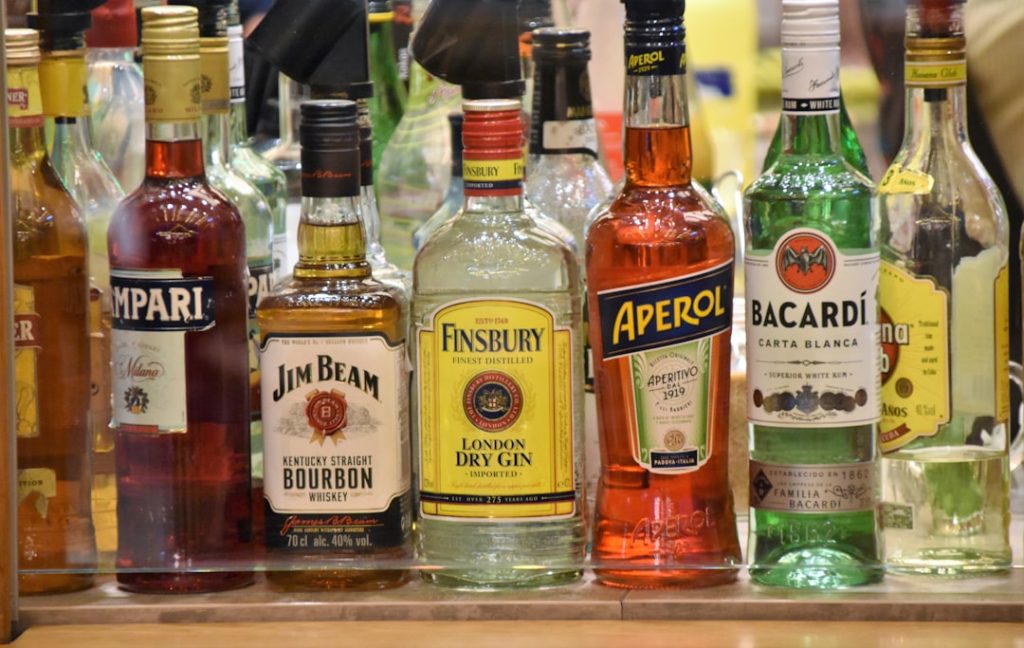
When you consume alcohol, your body undergoes a series of metabolic changes that can significantly impact your blood sugar levels. Alcohol is processed primarily in the liver, where it can interfere with the liver’s ability to release glucose into the bloodstream. This can lead to a drop in blood sugar levels, especially if you drink on an empty stomach or do not consume carbohydrates alongside your alcoholic beverages.
As a result, you may experience hypoglycemia, which can manifest as dizziness, confusion, or even loss of consciousness if not addressed promptly. Conversely, certain types of alcoholic drinks, particularly those high in sugar or carbohydrates, can cause your blood sugar levels to spike. Sweet cocktails, dessert wines, and sugary mixers can lead to rapid increases in glucose levels, which can be particularly concerning for you if you are managing diabetes.
Understanding how different types of alcohol affect your blood sugar is crucial for making informed choices that align with your health goals.
Key Takeaways
- Alcohol can significantly impact blood sugar levels, causing both hypoglycemia and hyperglycemia in diabetics.
- Drinking alcohol with diabetes increases risks of complications like low blood sugar, liver damage, and impaired judgment.
- Safe alcohol consumption involves moderation, choosing low-sugar drinks, and never drinking on an empty stomach.
- Monitoring blood sugar closely and adjusting insulin or medications is crucial when consuming alcohol.
- Consulting healthcare professionals for personalized advice ensures safer alcohol use and better diabetes management.
Risks and Complications of Drinking Alcohol with Diabetes
Drinking alcohol while managing diabetes comes with a unique set of risks and complications that you should be aware of. One of the most significant concerns is the potential for hypoglycemia. If you take insulin or other medications that lower blood sugar, consuming alcohol can amplify their effects, leading to dangerously low blood sugar levels.
This risk is heightened if you drink without eating or if you engage in physical activity after drinking. Additionally, alcohol can impair your judgment and decision-making abilities, which may lead to poor food choices or neglecting to monitor your blood sugar levels adequately. This combination can create a perfect storm for complications, including severe hypoglycemia or hyperglycemia.
Furthermore, chronic alcohol consumption can lead to long-term health issues such as liver disease, cardiovascular problems, and complications related to diabetes itself, making it essential for you to approach alcohol consumption with caution.
Guidelines for Safe Alcohol Consumption with Diabetes
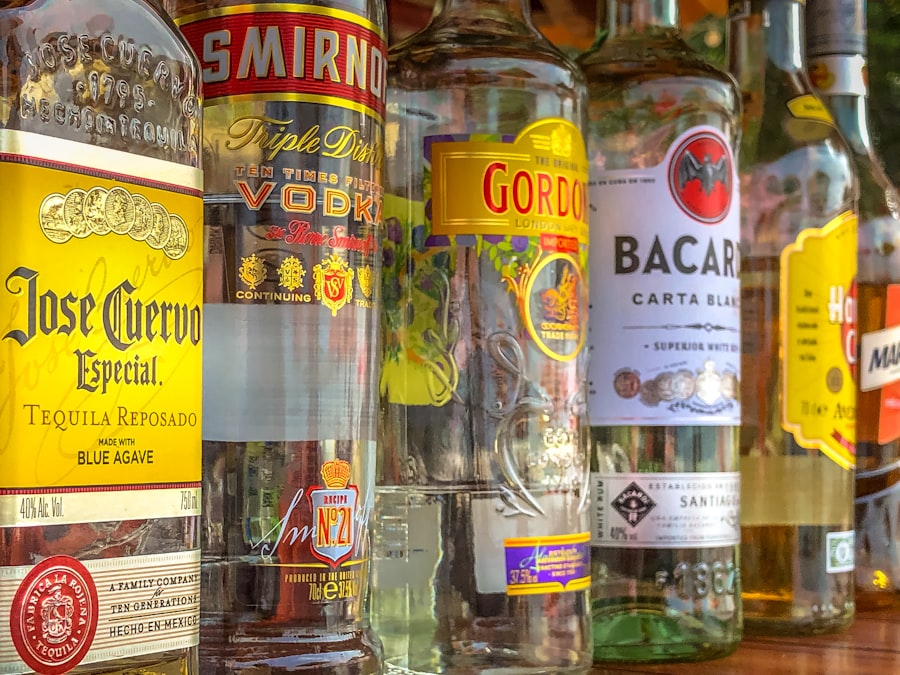
If you choose to drink alcohol while managing diabetes, adhering to specific guidelines can help mitigate risks and promote safer consumption. First and foremost, it’s essential to consult with your healthcare provider to understand how alcohol may interact with your medications and overall health. They can provide personalized recommendations based on your individual circumstances.
When drinking, moderation is key. The American Diabetes Association suggests that women limit their intake to one drink per day and men to two drinks per day. It’s also wise to choose drinks that are lower in sugar and carbohydrates.
Opting for dry wines or spirits mixed with calorie-free mixers can help you enjoy a drink without significantly impacting your blood sugar levels. Always remember to eat a balanced meal before or while drinking to help stabilize your blood sugar.
Best and Worst Alcoholic Beverages for Diabetics
Choosing the right alcoholic beverages can make a significant difference in how they affect your blood sugar levels. Generally, dry wines—both red and white—are considered some of the best options for those managing diabetes. They typically contain fewer sugars and carbohydrates compared to sweeter wines or cocktails.
Spirits like vodka, gin, and whiskey are also good choices when consumed neat or mixed with low-calorie mixers like soda water or diet tonic. On the other hand, certain alcoholic beverages should be approached with caution or avoided altogether. Sweet wines, dessert wines, and sugary cocktails can lead to rapid spikes in blood sugar levels due to their high carbohydrate content.
Beers can also be problematic; many varieties contain significant amounts of carbohydrates that can affect your glucose levels. It’s essential for you to read labels and be mindful of what you’re consuming to make informed choices.
Tips for Managing Blood Sugar Levels When Drinking Alcohol
| Aspect | Details | Considerations for People with Diabetes |
|---|---|---|
| Alcohol Type | Beer, Wine, Spirits | Choose dry wines or spirits without added sugar; avoid sweetened or mixed drinks with high sugar content. |
| Blood Sugar Impact | Alcohol can cause blood sugar to rise or fall | Monitor blood glucose closely; alcohol may cause hypoglycemia especially if consumed on an empty stomach. |
| Recommended Limit | Up to 1 drink/day for women, 2 drinks/day for men | Stick to moderate drinking guidelines; excessive alcohol increases risk of complications. |
| Calories per Drink | Approximately 100-150 calories | Consider calories in alcohol as part of daily intake to manage weight and blood sugar. |
| Hypoglycemia Risk | Increased risk up to 24 hours after drinking | Do not skip meals; carry glucose tablets; avoid drinking alone. |
| Medication Interaction | Alcohol can interact with diabetes medications | Consult healthcare provider; some medications may increase risk of side effects with alcohol. |
| Long-term Effects | Potential liver damage, increased triglycerides | Limit intake to reduce risk of complications related to diabetes and alcohol. |
Managing your blood sugar levels while enjoying a drink requires a proactive approach. One effective strategy is to monitor your blood sugar before, during, and after drinking. This will help you understand how alcohol affects your body and allow you to take action if your levels begin to drop or rise unexpectedly.
Keeping a glucose meter handy when you go out can provide peace of mind. Another tip is to stay hydrated by drinking water alongside your alcoholic beverages. This not only helps prevent dehydration but also slows down the absorption of alcohol into your bloodstream, which can help mitigate its effects on your blood sugar levels.
Additionally, consider having a small snack that contains carbohydrates while drinking; this can help maintain stable blood sugar levels and reduce the risk of hypoglycemia.
How to Monitor and Adjust Insulin and Medication while Drinking Alcohol

If you are on insulin or other diabetes medications, it’s crucial to understand how alcohol consumption may necessitate adjustments in your treatment plan. Alcohol can affect insulin sensitivity and glucose metabolism, so monitoring your blood sugar closely is vital. You may need to adjust your insulin dosage based on how much you plan to drink and what type of alcohol you choose.
Before heading out for a night of drinking, consider discussing your plans with your healthcare provider. They can offer guidance on how to adjust your medication safely while still enjoying social activities. It’s also wise to inform friends or family members about your diabetes management plan so they can assist you if needed.
Precautions and Preparations for Drinking Alcohol with Diabetes
Preparation is key when it comes to drinking alcohol with diabetes. Before you go out, ensure that you have a plan in place for monitoring your blood sugar levels throughout the evening. Carrying snacks that are appropriate for managing low blood sugar is essential; options like glucose tablets or fruit juice can be lifesavers if you start feeling unwell.
Additionally, consider wearing a medical alert bracelet that indicates you have diabetes. In case of an emergency where you cannot communicate your condition, this information can be crucial for first responders. Always inform those around you about your diabetes management plan so they can help monitor your condition while you enjoy yourself.
Seeking Professional Advice and Support for Alcohol Consumption with Diabetes
Navigating alcohol consumption while managing diabetes can be complex, but seeking professional advice can provide clarity and support. Your healthcare provider is an invaluable resource who can help tailor recommendations based on your specific health needs and lifestyle choices. They can also connect you with nutritionists or diabetes educators who specialize in helping individuals manage their condition while enjoying social activities.
Support groups or online communities focused on diabetes management can also offer encouragement and shared experiences from others who face similar challenges. Engaging with these resources can empower you to make informed decisions about alcohol consumption while maintaining control over your health. In conclusion, understanding the effects of alcohol on blood sugar levels is crucial for anyone managing diabetes.
By being aware of the risks and complications associated with drinking alcohol, following guidelines for safe consumption, choosing appropriate beverages, and monitoring your blood sugar levels effectively, you can enjoy social occasions without compromising your health. Always remember that preparation and professional support are key components in navigating this aspect of diabetes management successfully.