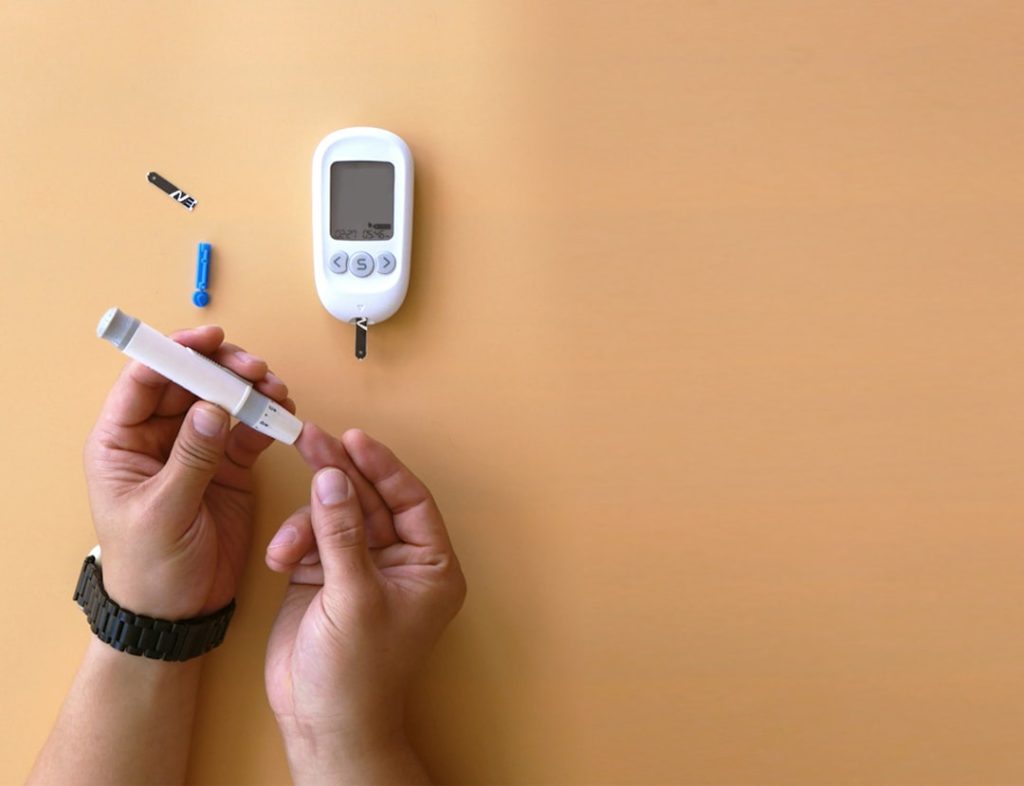
Understanding the significance of insulin absorption is crucial for anyone managing diabetes. Insulin is a hormone that plays a vital role in regulating blood sugar levels, and its effectiveness hinges on how well it is absorbed into your bloodstream. When you inject insulin, it must be absorbed efficiently to lower your blood glucose levels effectively.
If absorption is impaired, it can lead to unpredictable blood sugar fluctuations, making diabetes management more challenging. This can result in both hyperglycemia (high blood sugar) and hypoglycemia (low blood sugar), both of which can have serious health implications. Moreover, the rate of insulin absorption can vary based on several factors, including the injection site, the type of insulin used, and even your body temperature.
For instance, injecting insulin into areas with more blood flow, such as the abdomen, typically results in faster absorption compared to areas like the thigh or buttocks. Understanding these nuances can empower you to make informed decisions about your insulin regimen, ultimately leading to better control over your diabetes and improved overall health.
Key Takeaways
- Proper insulin absorption is crucial for effective blood sugar control.
- Using correct injection techniques and rotating sites prevents tissue damage.
- Regular exercise and healthy eating support insulin effectiveness.
- Monitoring blood sugar levels helps adjust treatment as needed.
- Managing stress and consulting healthcare professionals improve diabetes management.
Proper Injection Technique
Mastering proper injection technique is essential for effective insulin delivery. When you prepare to inject insulin, ensure that you are using a clean and sterile environment. This minimizes the risk of infection and ensures that the insulin remains uncontaminated.
Begin by washing your hands thoroughly and gathering all necessary supplies, including your insulin vial or pen, syringes or needles, and alcohol swabs. Taking these preliminary steps sets the stage for a successful injection. Once you have everything ready, it’s important to choose the right needle size and length for your body type.
A common mistake is using a needle that is too long or too short, which can affect how deeply the insulin is injected and its subsequent absorption. After selecting the appropriate needle, pinch the skin at the injection site to create a fold, which helps ensure that the insulin is delivered into the subcutaneous tissue rather than muscle. Injecting at a 90-degree angle is generally recommended for most individuals, but if you are thin, a 45-degree angle may be more appropriate.
After injecting, remember to dispose of the needle safely and apply gentle pressure to the site to minimize bruising.
Rotating Injection Sites
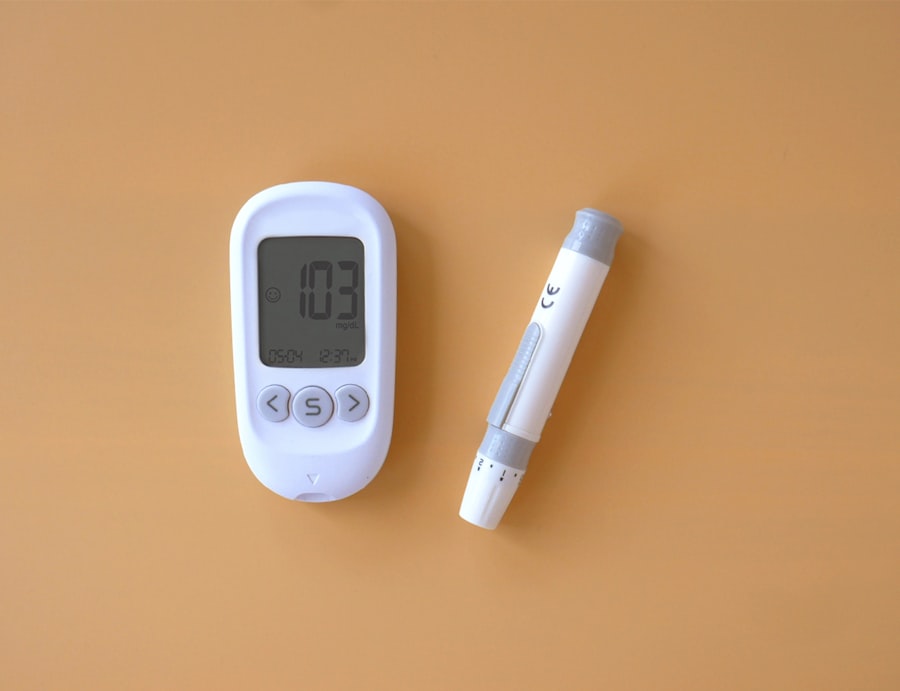
Rotating injection sites is a critical practice that can significantly enhance insulin absorption and reduce the risk of lipodystrophy—a condition characterized by abnormal fat distribution due to repeated injections in the same area. When you consistently use the same site for injections, scar tissue can develop, leading to uneven absorption rates and potentially affecting your blood sugar control. By rotating your injection sites regularly, you allow your body to heal and maintain optimal insulin absorption.
To effectively rotate your injection sites, consider dividing your body into different regions: abdomen, thighs, arms, and buttocks. Within each region, you can further subdivide into specific areas to ensure that you are not injecting in the same spot too frequently. For example, if you choose to inject in your abdomen, alternate between the left and right sides and different quadrants of each side.
Keeping a record of where you’ve injected can help you stay organized and ensure that you are giving each site adequate time to recover before using it again.
Exercise and Physical Activity
Incorporating regular exercise into your routine can have profound effects on your overall health and diabetes management. Physical activity helps improve insulin sensitivity, meaning your body can use insulin more effectively to lower blood sugar levels. This is particularly beneficial for those with type 2 diabetes but can also aid individuals with type 1 diabetes in maintaining stable blood glucose levels.
Engaging in activities such as walking, cycling, or swimming not only contributes to better blood sugar control but also enhances cardiovascular health and boosts mood. However, it’s essential to approach exercise with caution if you are managing diabetes. Before starting any new exercise program, consult with your healthcare provider to determine what types of activities are safe for you.
Additionally, monitor your blood sugar levels before, during, and after exercise to understand how your body responds to physical activity. You may need to adjust your insulin doses or carbohydrate intake based on your activity level to prevent hypoglycemia during or after workouts.
Monitoring Blood Sugar Levels
| Method | Description | Effect on Insulin Absorption | Recommended Practice |
|---|---|---|---|
| Injection Site Rotation | Changing injection sites to prevent lipodystrophy | Improves consistent absorption rates | Rotate sites within the same region every 1-2 weeks |
| Injection Site Selection | Choosing areas with good blood flow (abdomen, thigh, upper arm) | Faster absorption in abdomen, slower in thigh/arm | Use abdomen for rapid absorption; thigh/arm for slower |
| Temperature of Insulin | Using insulin at room temperature rather than cold | Improves absorption speed and comfort | Allow insulin to reach room temperature before injection |
| Physical Activity | Exercise increases blood flow to muscles | Can increase insulin absorption rate | Avoid injecting into muscles that will be heavily exercised immediately after injection |
| Injection Depth and Technique | Proper needle length and angle to ensure subcutaneous delivery | Prevents intramuscular injection which alters absorption | Use appropriate needle size and inject at 90° or 45° based on body fat |
| Massage Post-Injection | Massaging the injection site to increase blood flow | May slightly increase absorption speed | Gentle massage recommended only if advised by healthcare provider |
| Hydration | Maintaining adequate hydration levels | Supports optimal circulation and insulin absorption | Drink sufficient water daily |
Regularly monitoring your blood sugar levels is a cornerstone of effective diabetes management. By keeping track of your glucose levels throughout the day, you gain valuable insights into how different foods, activities, and stressors affect your body. This information allows you to make informed decisions about your diet, exercise routine, and insulin administration.
Many people find that using continuous glucose monitors (CGMs) provides real-time data that can help them respond quickly to fluctuations in their blood sugar levels. In addition to using technology for monitoring, it’s important to establish a routine for checking your blood sugar levels at key times throughout the day. This might include testing before meals, after meals, and before bedtime.
Keeping a log of your readings can help identify patterns over time, allowing you to work with your healthcare team to adjust your treatment plan as needed. Remember that maintaining stable blood sugar levels not only helps prevent complications but also enhances your overall quality of life.
Healthy Eating Habits
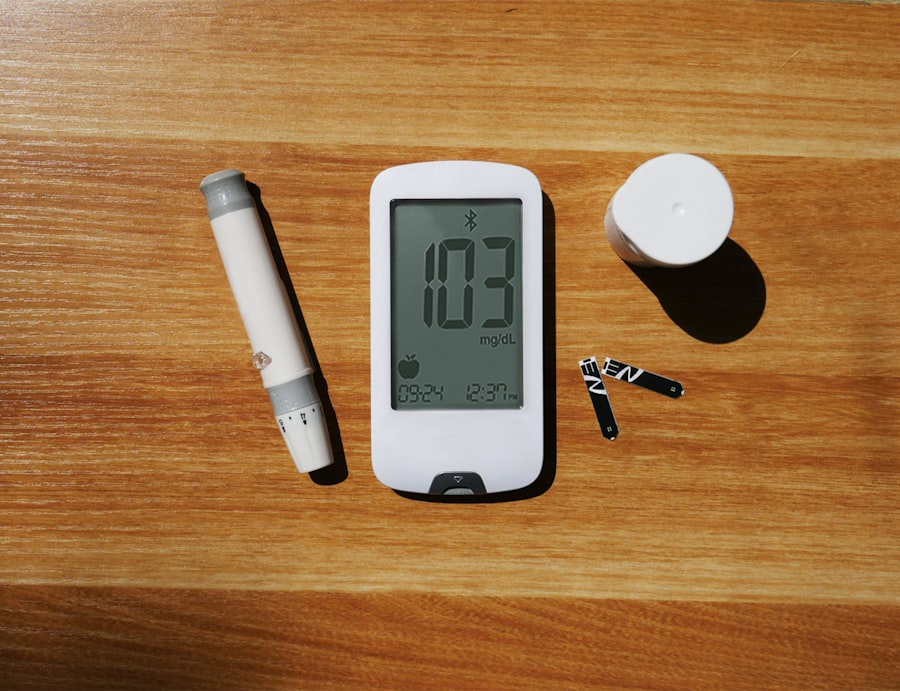
Adopting healthy eating habits is fundamental for managing diabetes effectively. A balanced diet rich in whole foods—such as fruits, vegetables, whole grains, lean proteins, and healthy fats—can help stabilize blood sugar levels and provide essential nutrients for overall health. It’s important to focus on portion control and carbohydrate counting since carbohydrates have the most significant impact on blood glucose levels.
Learning how to read food labels and understanding glycemic index values can empower you to make better food choices. Meal planning can also be an effective strategy for maintaining healthy eating habits. By preparing meals in advance and having healthy snacks on hand, you reduce the likelihood of reaching for unhealthy options when hunger strikes.
Consider incorporating a variety of foods into your diet to ensure that you are getting a wide range of nutrients while keeping meals interesting. Additionally, staying hydrated by drinking plenty of water throughout the day is essential for overall health and can help manage hunger.
Managing Stress
Stress management is often an overlooked aspect of diabetes care but plays a significant role in maintaining stable blood sugar levels. When you experience stress—whether from work, relationships, or other life challenges—your body releases hormones like cortisol and adrenaline that can raise blood sugar levels. Therefore, finding effective ways to manage stress is crucial for anyone living with diabetes.
Incorporating relaxation techniques into your daily routine can help mitigate stress levels. Practices such as mindfulness meditation, deep breathing exercises, yoga, or even simple hobbies like reading or gardening can provide a much-needed respite from daily pressures. Additionally, connecting with friends or family members for support can help alleviate feelings of isolation and anxiety.
Remember that taking care of your mental health is just as important as managing your physical health when it comes to living well with diabetes.
Consulting with a Healthcare Professional
Finally, regular consultations with healthcare professionals are vital for effective diabetes management. Your healthcare team—comprising doctors, nurses, dietitians, and diabetes educators—can provide personalized guidance tailored to your unique needs and circumstances. They can help you set realistic goals for managing your diabetes and offer support in navigating challenges that may arise along the way.
Don’t hesitate to reach out to your healthcare provider if you have questions or concerns about your diabetes management plan. Regular check-ups allow for adjustments based on changes in your lifestyle or health status. Additionally, staying informed about new research and treatment options can empower you to take an active role in managing your condition effectively.
Remember that diabetes management is a journey; having a supportive team by your side can make all the difference in achieving long-term success.