
When you think about a plant-based diet, you might envision a plate filled with vibrant fruits, vegetables, grains, and legumes. This dietary approach emphasizes whole, minimally processed foods derived primarily from plants. While it doesn’t necessarily mean you have to eliminate animal products entirely, the focus is on increasing your intake of plant foods.
You may find that this way of eating not only nourishes your body but also aligns with a more sustainable lifestyle. By prioritizing plants, you can enjoy a diverse array of flavors and textures while reaping numerous health benefits. As you delve deeper into the concept of plant-based diets, it’s essential to recognize that there are various interpretations of this eating style.
Some individuals may choose to adopt a strictly vegan diet, while others might incorporate small amounts of animal products. Regardless of the specific approach you take, the core principle remains the same: to prioritize plant foods. This shift in focus can lead to a more balanced intake of essential nutrients, including fiber, vitamins, and minerals, which are often lacking in diets high in processed foods and animal products.
Key Takeaways
- Plant-based diets emphasize whole, minimally processed foods primarily from plants, beneficial for managing diabetes.
- The Mediterranean diet, rich in fruits, vegetables, whole grains, and healthy fats, supports blood sugar control.
- Vegan and raw food diets eliminate animal products, focusing on nutrient-dense plant foods that may improve insulin sensitivity.
- Flexitarian and DASH diets offer flexible approaches incorporating plant-based meals to help regulate diabetes.
- Success tips include meal planning, monitoring blood sugar, and consulting healthcare providers to tailor the diet effectively.
Benefits of Plant-Based Diets for Diabetes
If you are living with diabetes or are at risk for developing the condition, adopting a plant-based diet can be particularly beneficial. Research has shown that this way of eating can help improve blood sugar control and reduce insulin resistance. By emphasizing whole foods that are rich in fiber, such as fruits, vegetables, and whole grains, you can help stabilize your blood sugar levels.
Fiber slows down the absorption of sugar into your bloodstream, which can lead to more consistent energy levels throughout the day. Moreover, a plant-based diet is often lower in saturated fats and cholesterol compared to traditional diets that include significant amounts of animal products. This reduction can be advantageous for your heart health, especially since individuals with diabetes are at a higher risk for cardiovascular diseases.
By choosing heart-healthy fats from sources like avocados, nuts, and seeds, you can support your overall well-being while managing your diabetes more effectively.
Mediterranean Diet
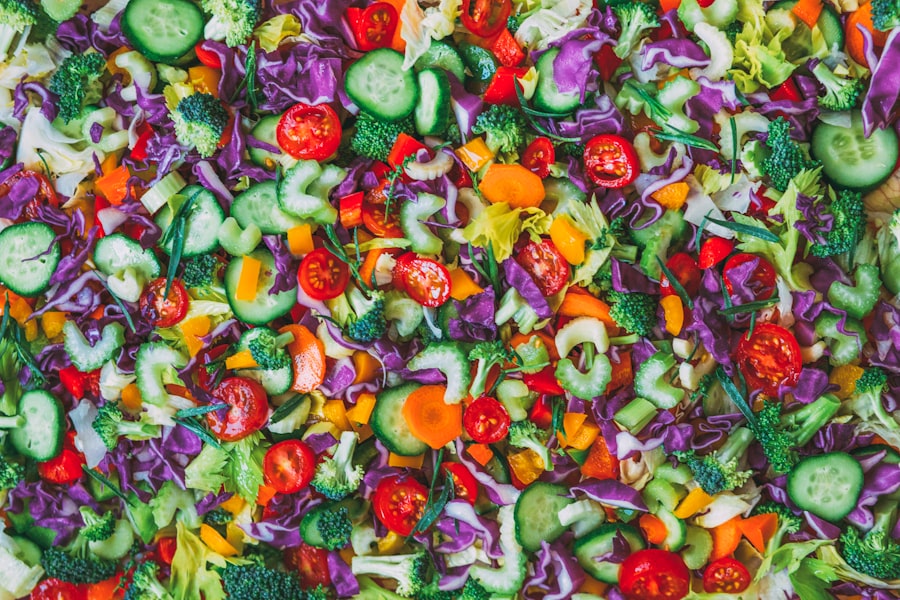
The Mediterranean diet is often celebrated for its health benefits and is characterized by an abundance of plant-based foods. This eating pattern emphasizes fruits, vegetables, whole grains, legumes, nuts, and healthy fats like olive oil. If you’re looking for a flavorful and satisfying way to eat more plants while managing diabetes, the Mediterranean diet could be an excellent choice for you.
It encourages a variety of foods that not only nourish your body but also tantalize your taste buds. One of the key components of the Mediterranean diet is its emphasis on whole foods rather than processed options. By focusing on fresh ingredients and traditional cooking methods, you can create meals that are both delicious and nutritious.
Additionally, this diet promotes social eating and enjoying meals with family and friends, which can enhance your overall dining experience. As you explore Mediterranean cuisine, you may discover new favorite dishes that make it easier to stick to a plant-based lifestyle.
Vegan Diet
A vegan diet is one of the most well-known forms of plant-based eating. By eliminating all animal products—including meat, dairy, and eggs—you commit to a lifestyle that is entirely based on plants. If you’re considering this approach for health reasons or ethical beliefs, it’s important to ensure that you’re still meeting your nutritional needs.
A well-planned vegan diet can provide all the essential nutrients your body requires while helping you manage diabetes effectively. Transitioning to a vegan diet may seem daunting at first, but with the right resources and planning, it can be an enjoyable journey. You’ll find an abundance of plant-based alternatives available today, from dairy-free cheeses to meat substitutes made from legumes and grains.
These options can make it easier for you to create satisfying meals without feeling deprived. As you explore vegan recipes and cooking techniques, you may discover new flavors and ingredients that inspire you to embrace this lifestyle fully.
Raw Food Diet
| Diet Name | Key Features | Benefits for Diabetes | Recommended Foods | Potential Drawbacks |
|---|---|---|---|---|
| Whole-Food Plant-Based (WFPB) Diet | Emphasizes whole, unprocessed plant foods; excludes animal products and processed foods | Improves insulin sensitivity, lowers blood sugar, aids weight management | Vegetables, fruits, whole grains, legumes, nuts, seeds | May require careful planning to meet protein and B12 needs |
| Mediterranean Plant-Based Diet | Focus on plant foods with moderate fish and dairy; uses olive oil as primary fat | Reduces HbA1c, supports heart health, improves glycemic control | Fruits, vegetables, whole grains, legumes, nuts, olive oil, fish (optional) | Less strict plant-based; may include animal products |
| Vegan Low-Glycemic Index Diet | Plant-based diet focusing on low-GI foods to control blood sugar spikes | Helps maintain stable blood glucose levels, reduces insulin resistance | Non-starchy vegetables, legumes, whole grains, nuts, seeds, berries | Requires knowledge of GI values; risk of nutrient deficiencies if not balanced |
| Vegetarian DASH Diet | Dietary Approaches to Stop Hypertension adapted to vegetarian preferences | Improves blood pressure and blood sugar control, supports weight loss | Fruits, vegetables, whole grains, low-fat dairy, nuts, legumes | May include dairy and eggs; less emphasis on strict plant-only foods |
| Flexitarian Diet | Primarily plant-based with occasional meat or animal products | Supports weight loss and blood sugar control with flexibility | Plant foods, occasional lean meats, dairy, eggs | Less strict; may not provide full benefits of strict plant-based diets |
The raw food diet takes plant-based eating to another level by focusing exclusively on uncooked and unprocessed foods. Advocates of this diet believe that cooking can destroy essential nutrients and enzymes found in fruits and vegetables. If you’re intrigued by the idea of consuming raw foods, it’s essential to approach this diet thoughtfully to ensure you’re getting a balanced intake of nutrients while managing your diabetes.
Incorporating raw foods into your diet can be refreshing and invigorating. You might enjoy vibrant salads, smoothies packed with leafy greens and fruits, or even raw desserts made from nuts and dates. However, it’s crucial to pay attention to your body’s needs as you experiment with this eating style.
While raw foods can be incredibly nutritious, they may not provide enough calories or protein for everyone. Therefore, it’s wise to consult with a healthcare professional or nutritionist before fully committing to a raw food diet.
Flexitarian Diet

The flexitarian diet offers a flexible approach to plant-based eating that may suit your lifestyle perfectly. This eating pattern encourages primarily plant-based meals while allowing for occasional consumption of meat or animal products. If you’re hesitant about going fully vegan or vegetarian but still want to increase your intake of plant foods, the flexitarian diet could be an ideal compromise for you.
By adopting a flexitarian approach, you can enjoy the benefits of a plant-based diet without feeling restricted. You might start by designating certain days as meat-free or incorporating more plant-based meals into your weekly routine. This gradual transition can help you discover new recipes and flavors while still enjoying your favorite animal products in moderation.
The flexibility of this diet makes it easier for many people to stick with their goals over the long term.
DASH Diet
The DASH (Dietary Approaches to Stop Hypertension) diet is primarily designed to combat high blood pressure but has also gained recognition for its benefits in managing diabetes. This eating plan emphasizes whole foods such as fruits, vegetables, whole grains, lean proteins, and healthy fats while limiting sodium intake. If you’re looking for a structured yet flexible way to improve your health through diet, the DASH diet may be an excellent option for you.
One of the key advantages of the DASH diet is its focus on nutrient-dense foods that support overall health. By incorporating a variety of colorful fruits and vegetables into your meals, you can ensure that you’re getting essential vitamins and minerals while also managing your blood sugar levels effectively. The DASH diet encourages balanced meals that keep you satisfied without relying on processed foods or added sugars—an important consideration for anyone managing diabetes.
Tips for Success on a Plant-Based Diet for Diabetes
Embarking on a plant-based journey can be rewarding but may also come with challenges—especially when managing diabetes. To set yourself up for success, consider starting with small changes rather than overhauling your entire diet overnight. Gradually increasing your intake of fruits, vegetables, whole grains, and legumes can help your body adjust while allowing you to discover new favorites along the way.
Meal planning is another crucial aspect of maintaining a successful plant-based diet for diabetes. By preparing meals in advance and having healthy snacks on hand, you can avoid reaching for processed options when hunger strikes. Experimenting with different recipes and cooking methods can keep your meals exciting and satisfying.
Additionally, staying informed about nutrition and seeking support from healthcare professionals or online communities can empower you on your journey toward better health through plant-based eating. In conclusion, embracing a plant-based diet offers numerous benefits for managing diabetes while promoting overall well-being. Whether you choose the Mediterranean diet, veganism, or any other approach discussed here, the key is to find what works best for you and your lifestyle.
With thoughtful planning and an open mind toward new foods and flavors, you can thrive on a plant-based journey that supports both your health goals and personal preferences.