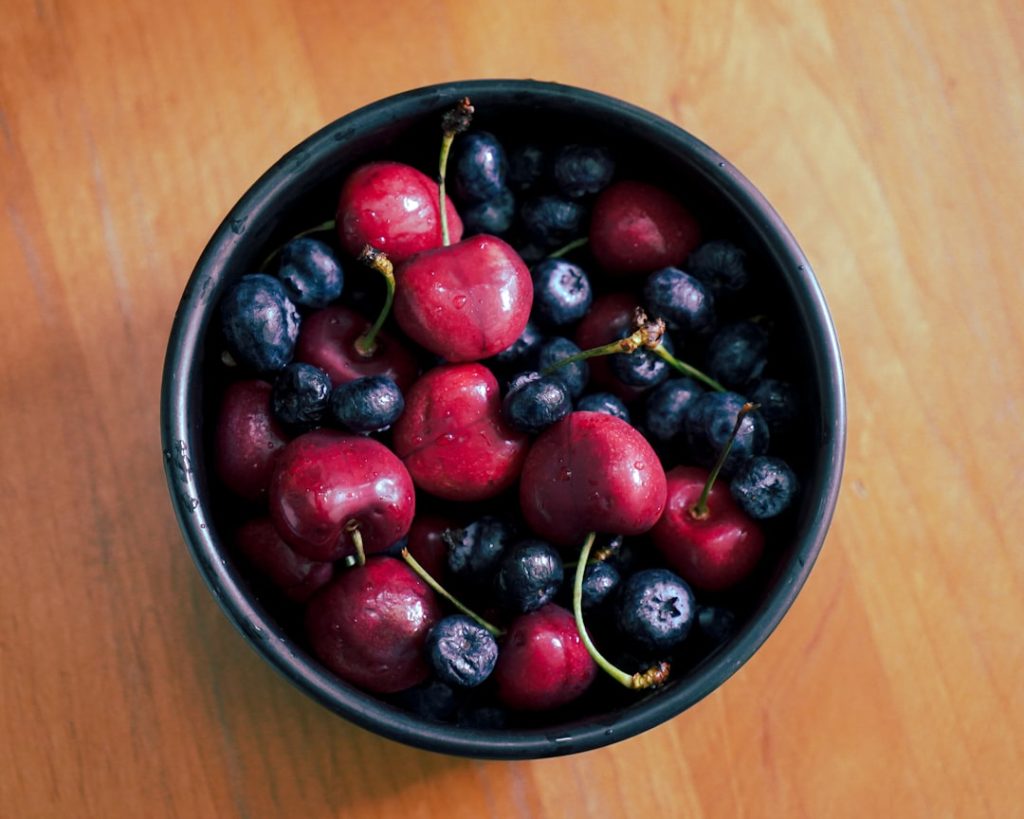
The Glycemic Index (GI) is a numerical scale from 0 to 100 that measures how quickly carbohydrate-containing foods raise blood glucose levels after consumption. Foods are classified into three categories: high-GI foods (above 70) cause rapid increases in blood sugar, moderate-GI foods (56-69) produce intermediate responses, and low-GI foods (below 55) result in gradual blood sugar elevation. This classification system provides a standardized method for comparing the glycemic response of different carbohydrate sources.
Several factors influence a food’s glycemic index rating. Processing methods significantly impact GI values, with refined grains typically producing higher glycemic responses than whole grain alternatives. Food preparation techniques, including cooking duration and temperature, can alter the digestibility of carbohydrates and subsequently affect GI scores.
Additionally, the ripeness of fruits and vegetables influences their glycemic impact, as increased ripeness generally correlates with higher sugar content and faster absorption rates. The physical form of food also matters, with ground or pureed foods often having higher GI values than their whole counterparts due to increased surface area and faster digestion.
Key Takeaways
- The glycemic index measures how quickly foods raise blood sugar levels, with low-GI foods causing slower, steadier increases.
- A low-glycemic diet can improve blood sugar control, aid weight management, and reduce the risk of chronic diseases.
- Incorporate foods like whole grains, legumes, nuts, and non-starchy vegetables for a low-GI diet.
- Plan meals and snacks around low-GI foods and read labels carefully when shopping to maintain stable blood sugar.
- Be cautious of hidden high-GI ingredients and avoid overly processed foods to successfully follow a low-glycemic diet.
Benefits of a Low-Glycemic Diet
Adopting a low-glycemic diet can offer numerous benefits that extend beyond just blood sugar control. One of the most significant advantages is improved energy levels throughout the day. When you consume low-GI foods, your body experiences a steady release of glucose into the bloodstream, preventing the energy crashes often associated with high-GI foods.
This means you can maintain focus and productivity without the rollercoaster effect of fluctuating blood sugar levels. In addition to stabilizing energy levels, a low-glycemic diet can also support weight management. Foods that are low on the glycemic index tend to be more filling and satisfying, which can help curb cravings and reduce overall calorie intake.
By choosing these foods, you may find it easier to maintain a healthy weight or even lose excess pounds. Furthermore, research suggests that a low-glycemic diet may reduce the risk of developing chronic diseases such as type 2 diabetes and heart disease, making it a wise choice for long-term health.
Top Low-Glycemic Foods to Include in Your Diet
When it comes to incorporating low-glycemic foods into your meals, there are plenty of delicious options to choose from. Non-starchy vegetables like broccoli, spinach, and bell peppers are excellent choices that not only have a low GI but are also packed with essential vitamins and minerals. These vegetables can be enjoyed raw in salads or cooked in various dishes, adding both flavor and nutrition to your meals.
Fruits can also be part of your low-glycemic diet, but it’s essential to choose wisely. Berries such as strawberries, blueberries, and raspberries are particularly low on the glycemic index and provide antioxidants that promote overall health. Additionally, legumes like lentils and chickpeas are great sources of protein and fiber while maintaining a low GI.
Incorporating these foods into your diet can help you create balanced meals that support your health goals.
How to Incorporate Low-Glycemic Foods into Your Meals
Incorporating low-glycemic foods into your meals doesn’t have to be complicated or time-consuming. Start by planning your meals around these foods rather than trying to fit them in later. For example, when preparing lunch or dinner, consider using quinoa or brown rice as a base instead of white rice or pasta.
These whole grains not only have a lower GI but also provide more nutrients and fiber. Another effective strategy is to combine low-GI foods with higher-GI options to create balanced meals. For instance, pairing a piece of grilled chicken with roasted sweet potatoes and steamed broccoli can provide a satisfying meal that keeps your blood sugar stable.
Additionally, experimenting with herbs and spices can enhance the flavor of your dishes without adding extra calories or sugar. By making these small adjustments, you can easily transition to a low-glycemic lifestyle.
Tips for Shopping for Low-Glycemic Foods
| Food Category | Food Item | Glycemic Index (GI) | Serving Size | Notes |
|---|---|---|---|---|
| Vegetables | Broccoli | 10 | 1 cup (91g) | Rich in fiber and vitamins |
| Vegetables | Carrots (raw) | 16 | 1 medium (61g) | Good source of beta-carotene |
| Fruits | Apple | 38 | 1 medium (182g) | Contains soluble fiber |
| Fruits | Cherries | 22 | 1 cup (154g) | High in antioxidants |
| Grains | Quinoa | 53 | 1 cup cooked (185g) | Complete protein source |
| Grains | Barley | 28 | 1 cup cooked (157g) | High in soluble fiber |
| Legumes | Lentils | 32 | 1 cup cooked (198g) | Rich in protein and fiber |
| Legumes | Chickpeas | 28 | 1 cup cooked (164g) | Good source of iron |
| Dairy | Milk (whole) | 31 | 1 cup (244g) | Contains calcium and protein |
| Dairy | Yogurt (plain, unsweetened) | 14 | 1 cup (245g) | Probiotic benefits |
When shopping for low-glycemic foods, it’s essential to read labels carefully and be mindful of what you’re putting in your cart. Start by focusing on whole, unprocessed foods whenever possible. Fresh fruits and vegetables should be your go-to items, as they are naturally low in glycemic index and rich in nutrients.
When selecting packaged items, look for those that contain whole grains and minimal added sugars. Another helpful tip is to familiarize yourself with common high-GI foods so you can avoid them while shopping. Items like white bread, sugary cereals, and processed snacks often have high glycemic indices and can lead to unwanted spikes in blood sugar.
Instead, opt for whole grain alternatives or snacks made from nuts and seeds. By being proactive in your shopping habits, you can set yourself up for success on your low-glycemic journey.
Low-Glycemic Snack Ideas
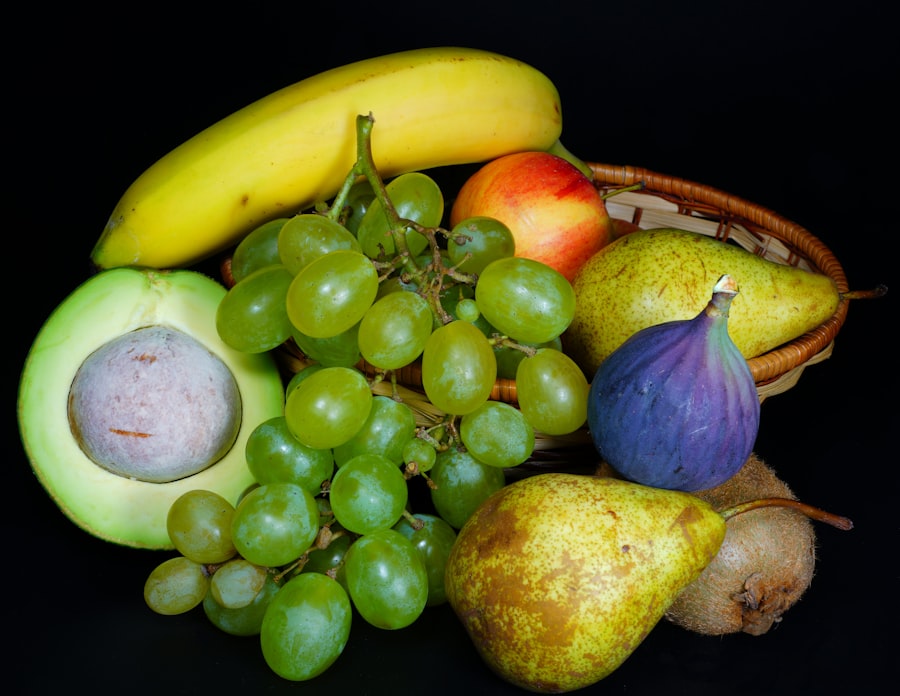
Snacking can be a challenge when trying to maintain a low-glycemic diet, but there are plenty of tasty options available that won’t derail your efforts. One simple idea is to enjoy raw vegetables with hummus or guacamole as a satisfying snack that provides fiber and healthy fats. Carrot sticks, cucumber slices, and bell pepper strips pair perfectly with these dips for a crunchy treat.
Another great option is to snack on nuts or seeds, which are not only low on the glycemic index but also packed with protein and healthy fats. Almonds, walnuts, and pumpkin seeds make for convenient snacks that can keep you feeling full between meals. If you’re craving something sweet, consider having Greek yogurt topped with berries or a small piece of dark chocolate—both of which can satisfy your sweet tooth without causing significant spikes in blood sugar.
Low-Glycemic Recipes for Breakfast, Lunch, and Dinner
Creating delicious meals that fit within a low-glycemic framework is easier than you might think. For breakfast, consider whipping up a smoothie using spinach, unsweetened almond milk, and frozen berries for a refreshing start to your day. Alternatively, oatmeal made from steel-cut oats topped with sliced almonds and fresh fruit can provide lasting energy without spiking your blood sugar.
For lunch or dinner, try preparing a quinoa salad loaded with colorful vegetables like cherry tomatoes, cucumbers, and bell peppers drizzled with olive oil and lemon juice. This dish is not only visually appealing but also packed with nutrients. Another option is grilled salmon served alongside steamed asparagus and brown rice—an excellent combination that offers healthy fats and fiber while keeping your glycemic load in check.
Potential Pitfalls to Avoid when Following a Low-Glycemic Diet
While following a low-glycemic diet can be beneficial for your health, there are potential pitfalls you should be aware of to ensure success. One common mistake is assuming that all low-GI foods are automatically healthy. For example, some processed foods may have a low glycemic index but still contain unhealthy additives or excessive sodium.
Always prioritize whole foods over processed options when possible. Another pitfall is neglecting portion control. Even low-GI foods can contribute to weight gain if consumed in excessive amounts.
It’s essential to practice moderation and balance in your meals while being mindful of serving sizes. By staying informed about what you’re eating and maintaining portion control, you can enjoy the benefits of a low-glycemic diet without falling into common traps. In conclusion, understanding the Glycemic Index and incorporating low-glycemic foods into your diet can lead to numerous health benefits.
By making informed choices about what you eat and being mindful of portion sizes, you can create balanced meals that support your overall well-being while enjoying delicious flavors along the way.