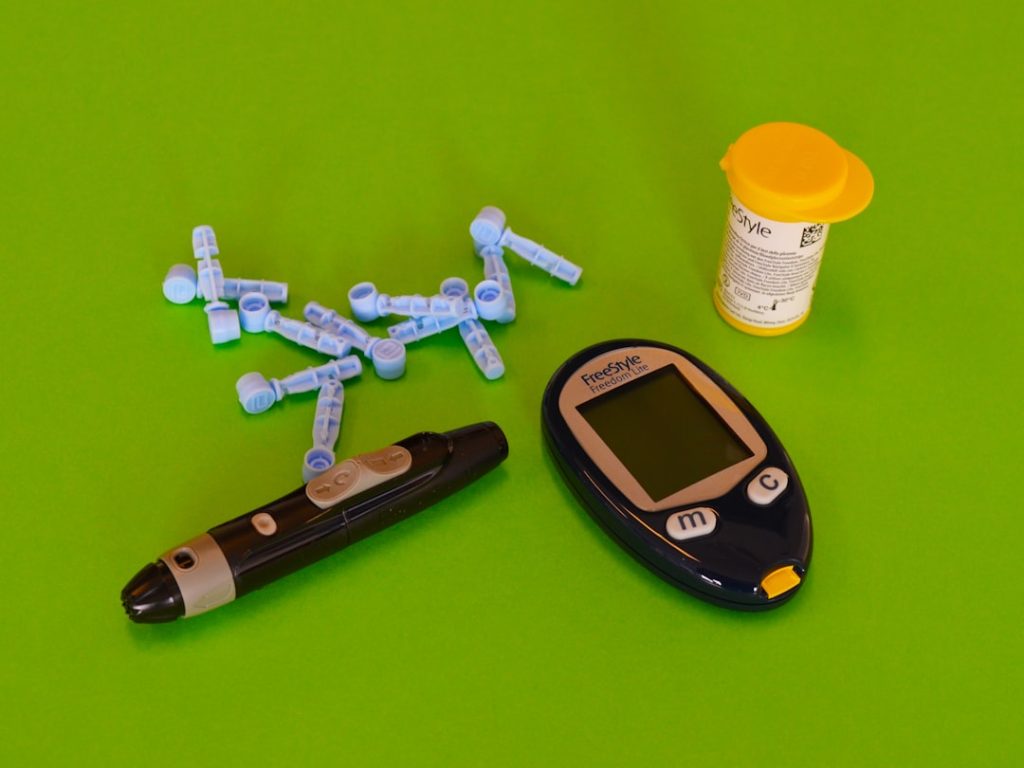
When experiencing illness, monitoring blood sugar levels is essential, particularly for individuals with diabetes or prediabetes. During sickness, the body releases stress hormones that can elevate blood glucose levels. This elevation may impede recovery and potentially lead to additional health complications.
Regular blood sugar monitoring during illness helps optimize the body’s healing process. Blood sugar fluctuations significantly impact physical and mental wellbeing during illness. Hyperglycemia (high blood sugar) can cause symptoms including fatigue, increased thirst, and frequent urination, potentially worsening illness discomfort.
Hypoglycemia (low blood sugar) may induce dizziness, confusion, and weakness, further complicating illness management. Maintaining stable blood glucose levels supports overall health and facilitates more efficient and effective recovery from illness.
Key Takeaways
- Managing blood sugar during illness is crucial to avoid complications.
- Regular monitoring helps detect dangerous fluctuations early.
- Medication adjustments may be necessary based on blood sugar readings.
- Staying hydrated and maintaining proper nutrition support recovery.
- Seeking medical help promptly ensures effective treatment and prevents worsening.
Monitoring Blood Sugar Levels
To effectively manage your blood sugar while sick, regular monitoring is essential. You should check your levels more frequently than usual, as illness can cause unpredictable changes. Depending on your condition and how you’re feeling, you might want to test your blood sugar every few hours.
This proactive approach allows you to catch any significant fluctuations early and take appropriate action. In addition to checking your blood sugar levels, it’s important to keep a record of these readings. Documenting your levels can help you identify patterns and understand how your body responds to illness.
This information can be invaluable for both you and your healthcare provider in determining the best course of action for managing your diabetes during this challenging time. By staying vigilant and informed, you empower yourself to make better decisions regarding your health.
Adjusting Medications
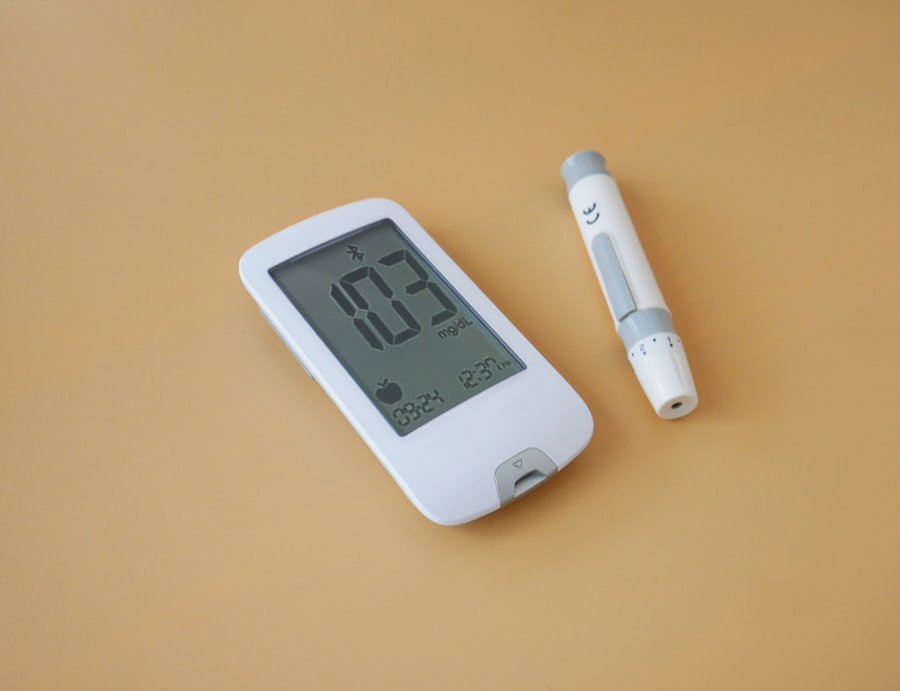
When you’re sick, it may be necessary to adjust your diabetes medications. Illness can affect how your body processes insulin or other medications, leading to changes in your blood sugar levels. If you’re taking insulin, for instance, you might need to increase your dosage due to the stress hormones released during illness.
On the other hand, if you’re experiencing reduced appetite or nausea, you may need to decrease your medication to prevent hypoglycemia. It’s crucial to consult with your healthcare provider before making any changes to your medication regimen. They can provide guidance tailored to your specific situation and help you navigate the complexities of managing diabetes while sick.
By working closely with your healthcare team, you can ensure that you’re taking the right steps to maintain stable blood sugar levels during this challenging time.
Hydration and Nutrition
Staying hydrated is vital when you’re sick, especially if you’re experiencing symptoms like fever, vomiting, or diarrhea. Dehydration can lead to elevated blood sugar levels and make it more difficult for your body to recover. Aim to drink plenty of fluids, such as water, herbal teas, or electrolyte solutions.
Keeping yourself well-hydrated not only helps regulate blood sugar but also supports overall recovery. Nutrition also plays a significant role in managing blood sugar while sick. Even if you don’t have much of an appetite, it’s important to consume balanced meals that include carbohydrates, proteins, and healthy fats.
Opt for easily digestible foods like broth-based soups, smoothies, or yogurt if you’re struggling with solid foods. These options can provide essential nutrients without overwhelming your system. Remember that maintaining a balanced diet will help stabilize your blood sugar levels and support your immune system as it fights off illness.
Rest and Recovery
| Metric | Recommended Range/Value | Notes |
|---|---|---|
| Blood Sugar Monitoring Frequency | Every 2-4 hours | More frequent checks to detect highs or lows early |
| Target Blood Sugar Level | 80-180 mg/dL | May vary based on individual health provider recommendations |
| Ketone Testing | Test if blood sugar > 240 mg/dL | Important to detect diabetic ketoacidosis risk |
| Hydration | At least 8-10 cups/day | Helps prevent dehydration and supports blood sugar control |
| Insulin Adjustment | Follow healthcare provider guidance | Sick days may require insulin dose changes |
| Carbohydrate Intake | Maintain usual intake or adjust as needed | Consume easily digestible carbs if appetite is low |
| Physical Activity | Light activity or rest | Avoid strenuous exercise during illness |
Rest is one of the most important aspects of recovery when you’re feeling unwell. Your body needs time and energy to heal itself, and pushing through fatigue can prolong your illness or even lead to complications. Make it a priority to get plenty of sleep and take breaks throughout the day as needed.
Listen to your body; if you’re feeling tired, allow yourself the time to rest without guilt. In addition to physical rest, mental relaxation is equally important. Stress can negatively impact blood sugar levels and hinder recovery.
Engage in calming activities such as reading, meditating, or practicing deep-breathing exercises. By creating a peaceful environment for yourself, you not only promote healing but also help maintain stable blood sugar levels during this vulnerable time.
Seeking Medical Attention
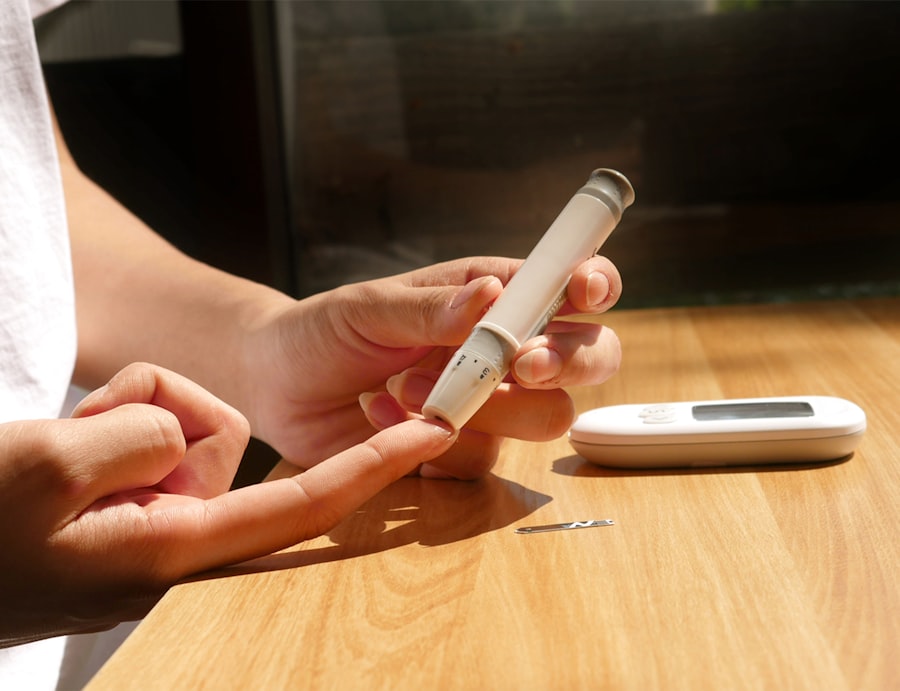
If you find that managing your blood sugar while sick becomes increasingly difficult or if you experience severe symptoms such as persistent high fever, difficulty breathing, or extreme fatigue, it’s essential to seek medical attention promptly. Your healthcare provider can assess your condition and provide necessary interventions that may include adjusting medications or recommending additional treatments. Don’t hesitate to reach out for help if you’re unsure about how to manage your diabetes during illness.
Your healthcare team is there to support you and can offer valuable advice tailored specifically for your situation. Early intervention can prevent complications and ensure that you receive the care you need for a swift recovery.
Managing Stress
Illness often brings about stress and anxiety, which can further complicate blood sugar management. It’s essential to find effective ways to cope with stress during this time. Consider incorporating relaxation techniques into your daily routine, such as mindfulness meditation or gentle yoga stretches.
These practices can help calm your mind and body while promoting better blood sugar control. Additionally, don’t underestimate the power of social support during challenging times. Reach out to friends or family members who can provide emotional support or even assist with daily tasks while you’re recovering.
Sharing your feelings with someone who understands can alleviate some of the burdens you may be carrying and help you feel less isolated in your experience.
Preventing Illness in the Future
While it’s impossible to completely eliminate the risk of getting sick, there are proactive steps you can take to reduce the likelihood of future illnesses. Maintaining a healthy lifestyle is key; this includes regular exercise, a balanced diet rich in fruits and vegetables, and adequate sleep. These habits not only strengthen your immune system but also contribute to better overall health and more stable blood sugar levels.
Additionally, consider getting vaccinated against common illnesses such as the flu or pneumonia if recommended by your healthcare provider. Staying up-to-date on vaccinations can significantly reduce your risk of contracting these diseases and help protect both your health and well-being in the long run. By taking these preventive measures seriously, you empower yourself to lead a healthier life while minimizing the impact of illness on your diabetes management in the future.