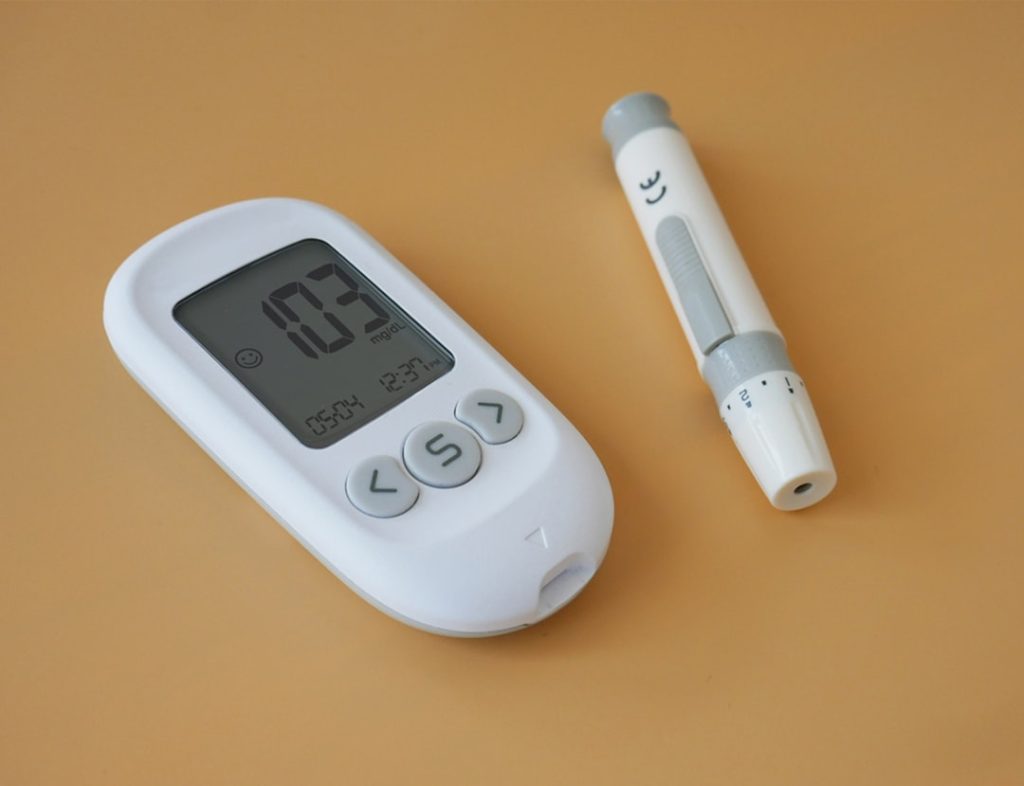
Hypoglycemia is a medical condition characterized by blood glucose concentrations below 70 mg/dL (3.9 mmol/L). While this condition can occur in any individual, it predominantly affects people with diabetes mellitus who use insulin or glucose-lowering medications such as sulfonylureas or meglitinides. Glucose serves as the primary energy substrate for cellular metabolism, particularly in the brain and nervous system, which cannot utilize alternative fuel sources effectively during acute glucose deprivation.
Multiple factors can precipitate hypoglycemic episodes. Common causes include inadequate carbohydrate intake relative to insulin or medication dosing, prolonged fasting periods, increased physical activity without corresponding nutritional adjustments, and alcohol consumption which inhibits hepatic gluconeogenesis. Additional contributing factors include certain medications beyond diabetes treatments, such as beta-blockers, quinolones, and pentamidine, as well as underlying medical conditions including adrenal insufficiency, severe liver disease, and insulinomas.
The physiological response to declining glucose levels involves activation of counter-regulatory hormones including glucagon, epinephrine, cortisol, and growth hormone. These hormones stimulate hepatic glucose production through glycogenolysis and gluconeogenesis while reducing peripheral glucose utilization. When these compensatory mechanisms fail or are overwhelmed, symptomatic hypoglycemia develops, potentially progressing to severe neuroglycopenia if left untreated.
Key Takeaways
- Low blood sugar, or hypoglycemia, presents with various physical, emotional, and mental symptoms.
- Common signs include shakiness, sweating, confusion, irritability, and rapid heartbeat.
- Children may show unique symptoms like unusual behavior or difficulty concentrating.
- Immediate response involves consuming fast-acting carbohydrates to raise blood sugar levels.
- Prevention includes regular meals, monitoring blood sugar, and seeking medical help if symptoms persist or worsen.
Common Symptoms of Low Blood Sugar
Recognizing the common symptoms of low blood sugar is vital for timely intervention. You may experience a range of physical sensations that signal your body is in distress. One of the most prevalent symptoms is a feeling of shakiness or trembling, which can be alarming and may lead you to feel anxious or panicked.
Additionally, you might notice an increased heart rate or palpitations, which can further exacerbate feelings of unease. These symptoms are your body’s way of alerting you that it needs immediate attention. Other common symptoms include sweating, dizziness, and fatigue.
You may find yourself feeling unusually tired or weak, even if you have not engaged in strenuous activity. This fatigue can be accompanied by a sense of confusion or difficulty concentrating, making it challenging to perform everyday tasks. Being aware of these symptoms can help you take proactive measures to address low blood sugar before it escalates into a more serious situation.
Physical Signs of Low Blood Sugar

In addition to the subjective feelings you may experience, there are also observable physical signs that can indicate low blood sugar levels. One such sign is pallor or a noticeable change in skin color; your skin may appear pale or clammy as your body reacts to the drop in glucose levels. You might also notice that your hands or feet feel cold to the touch, which can be disconcerting.
These physical manifestations are often accompanied by a general sense of malaise that can make you feel unwell. Another physical sign to watch for is the presence of hunger pangs. When your blood sugar dips, your body signals that it needs fuel, leading to an intense craving for food.
This hunger can sometimes be overwhelming and may prompt you to seek out quick sources of sugar, such as candy or juice. Recognizing these physical signs can empower you to take action before more severe symptoms develop, allowing you to stabilize your blood sugar levels effectively.
Emotional and Mental Signs of Low Blood Sugar
Low blood sugar does not only affect you physically; it can also have significant emotional and mental repercussions. You may find yourself feeling irritable or moody, which can strain relationships with those around you. This irritability often stems from the brain’s response to insufficient glucose, as it relies on this energy source to function optimally.
As a result, you might snap at loved ones or feel overwhelmed by minor inconveniences. Cognitive functions can also be impaired during episodes of low blood sugar. You may experience confusion, difficulty concentrating, or even memory lapses.
This mental fog can make it challenging to engage in conversations or complete tasks that require focus and attention. Understanding these emotional and mental signs is crucial for recognizing when you need to take action to restore your blood sugar levels and regain clarity.
Recognizing Low Blood Sugar in Children
| Symptom | Description | Typical Onset Time | Severity Level | Recommended Action |
|---|---|---|---|---|
| Shakiness | Trembling or feeling jittery | Within minutes of blood sugar drop | Mild to Moderate | Consume fast-acting carbohydrates |
| Sweating | Excessive perspiration without exertion | Early symptom | Mild to Moderate | Check blood glucose and eat a snack |
| Hunger | Sudden intense hunger | Early symptom | Mild | Eat a small carbohydrate-rich snack |
| Confusion | Difficulty concentrating or thinking clearly | After prolonged low blood sugar | Severe | Seek immediate medical help if unable to eat |
| Dizziness | Feeling lightheaded or faint | Early to moderate symptom | Moderate | Stop activity and consume sugar |
| Rapid heartbeat | Heart palpitations or racing pulse | Early symptom | Mild to Moderate | Monitor symptoms and treat low sugar |
| Irritability | Unusual mood changes or agitation | Early to moderate symptom | Mild to Moderate | Check blood sugar and eat a snack |
| Blurred vision | Difficulty focusing or seeing clearly | Moderate symptom | Moderate to Severe | Consume carbohydrates and monitor closely |
| Weakness | Feeling unusually tired or weak | Moderate symptom | Moderate | Rest and consume sugar |
| Headache | Pain or pressure in the head | Moderate symptom | Mild to Moderate | Eat a carbohydrate snack and hydrate |
When it comes to children, recognizing low blood sugar can be particularly challenging. Young ones may not have the vocabulary or awareness to articulate what they are feeling, making it essential for you as a caregiver to be vigilant. Children may exhibit behavioral changes such as increased irritability or unusual clinginess, which could indicate they are experiencing discomfort due to low blood sugar levels.
They might also become overly energetic or hyperactive as their bodies attempt to compensate for the lack of glucose. Physical signs in children can include sweating, pallor, or complaints of dizziness and fatigue. If your child suddenly becomes unusually quiet or withdrawn, it could be a sign that they are struggling with low blood sugar.
Being attuned to these subtle changes in behavior and physical appearance can help you intervene promptly and provide the necessary support to stabilize their blood sugar levels.
How to Respond to Low Blood Sugar Symptoms
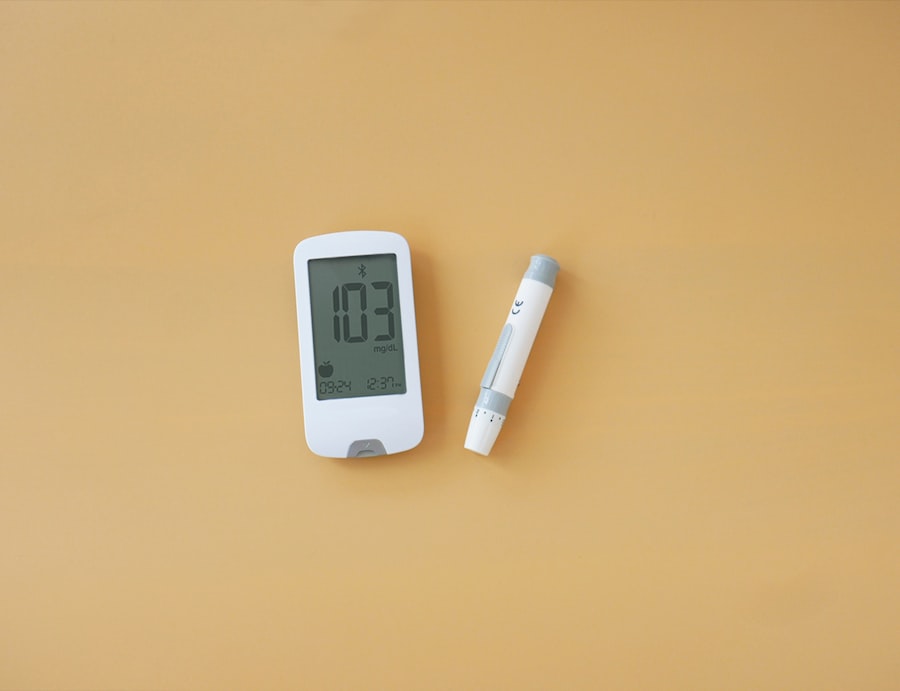
When you recognize the symptoms of low blood sugar, it is crucial to respond quickly and effectively. The first step is to consume fast-acting carbohydrates that can quickly raise your blood sugar levels. Options such as glucose tablets, fruit juice, or regular soda are excellent choices because they provide immediate relief.
Aim for about 15 grams of carbohydrates initially and wait about 15 minutes before rechecking your blood sugar levels. If your symptoms persist after consuming fast-acting carbohydrates, you may need to eat a more substantial snack that includes protein and complex carbohydrates. Foods like peanut butter on whole-grain bread or yogurt with fruit can help stabilize your blood sugar over a longer period.
It’s essential to monitor how you feel after taking these steps; if symptoms do not improve or worsen, seeking medical assistance may be necessary.
Prevention and Management of Low Blood Sugar
Preventing low blood sugar is often more manageable than treating it once it occurs. One effective strategy is to maintain a consistent eating schedule that includes balanced meals and snacks throughout the day. Incorporating complex carbohydrates, proteins, and healthy fats into your diet can help maintain stable blood sugar levels.
Additionally, being mindful of portion sizes and avoiding excessive amounts of sugary foods can prevent spikes and subsequent drops in glucose levels. Regular monitoring of your blood sugar levels is also crucial if you are at risk for hypoglycemia. Keeping a log of your readings can help identify patterns and triggers that lead to low blood sugar episodes.
If you are on medication for diabetes, working closely with your healthcare provider to adjust dosages based on your lifestyle changes is essential for effective management.
When to Seek Medical Help for Low Blood Sugar
While many instances of low blood sugar can be managed at home with quick interventions, there are times when seeking medical help is necessary. If you experience severe symptoms such as loss of consciousness, seizures, or an inability to swallow safely, it is critical to call emergency services immediately. These situations require professional medical intervention to ensure your safety and well-being.
Additionally, if you find that low blood sugar episodes are becoming frequent or increasingly severe despite your efforts at management and prevention, consulting with a healthcare professional is advisable. They can help assess your overall health status and make recommendations tailored to your specific needs. Remember that understanding low blood sugar is not just about recognizing symptoms; it’s about taking proactive steps toward maintaining your health and ensuring that you have the support necessary for effective management.